



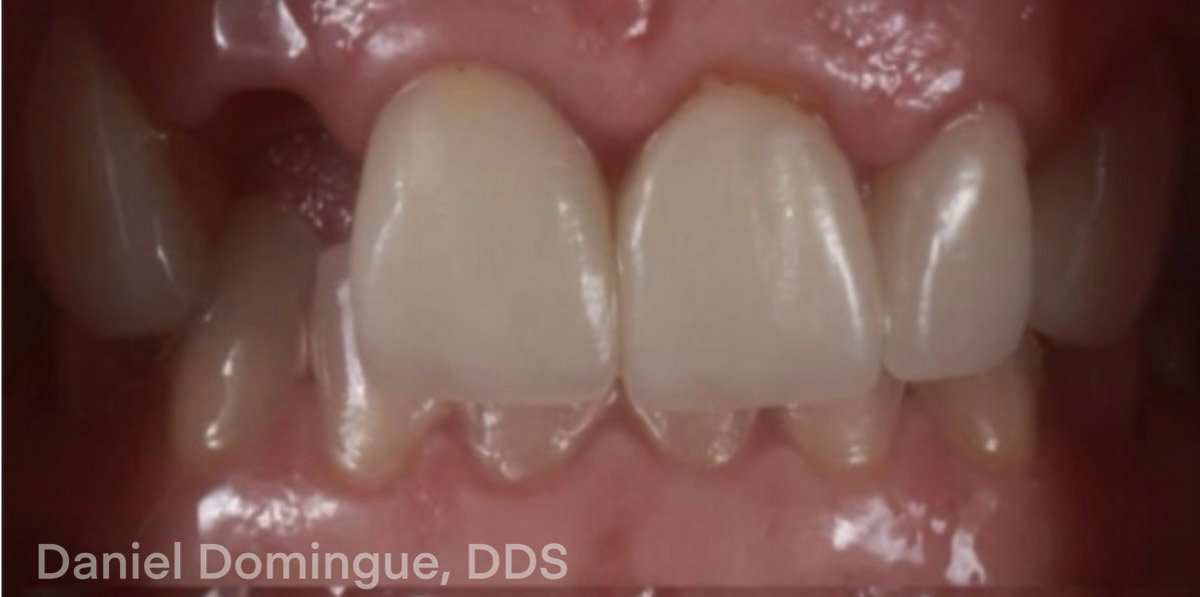
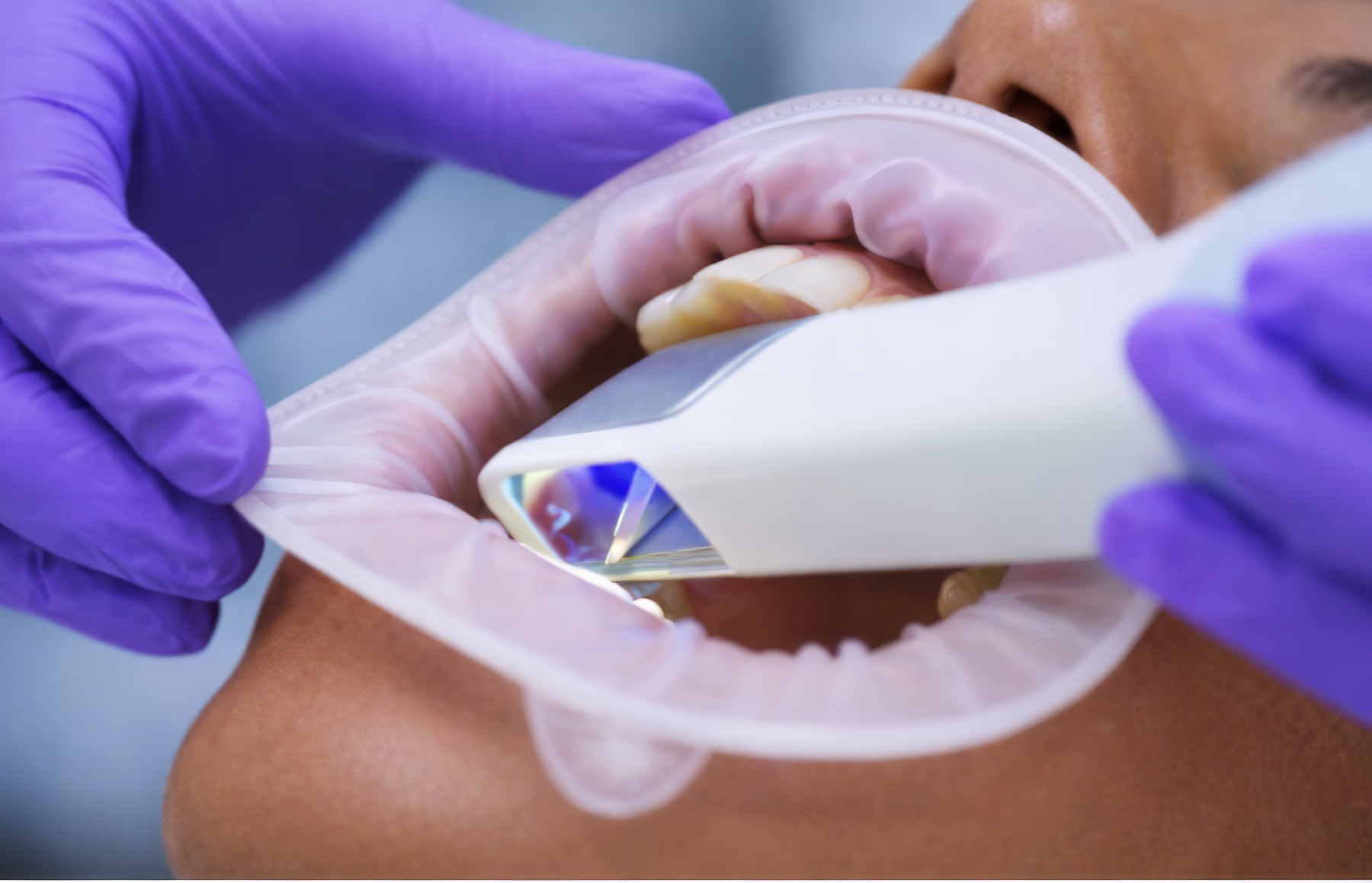

Restoring a patient’s form and function is crucial to a successful case. Teeth can often become damaged from trauma, congenital issues, or poor oral health. The first goal in restorative dentistry is to create stability in the oral cavity. However, for patients, restoring their smiles to achieve a better aesthetic is essential. Balancing these two fundamental restorative goals is imperative for the patient’s overall satisfaction.
While there are many steps to ensuring a positive experience, one of the basic areas that plays a critical role is the ability to communicate color accurately.
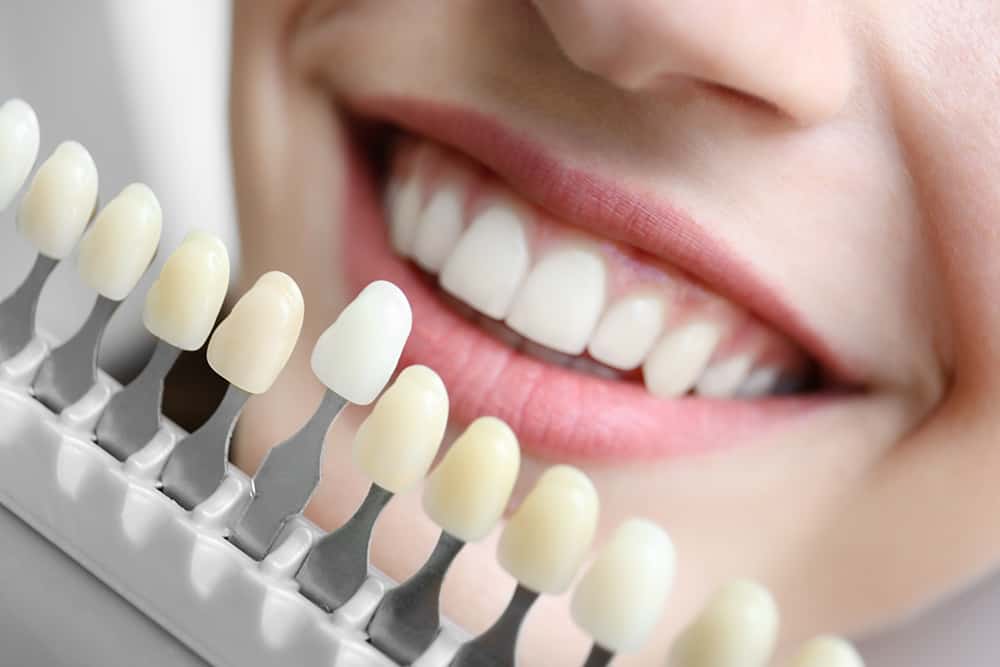
The process of color perception in humans is complex. It depends on the physical limits of light, the complexity of brain neurons, and the reflectivity of light off an object. Therefore, the perception of color can be attributed to the physiological feedback of physical input.
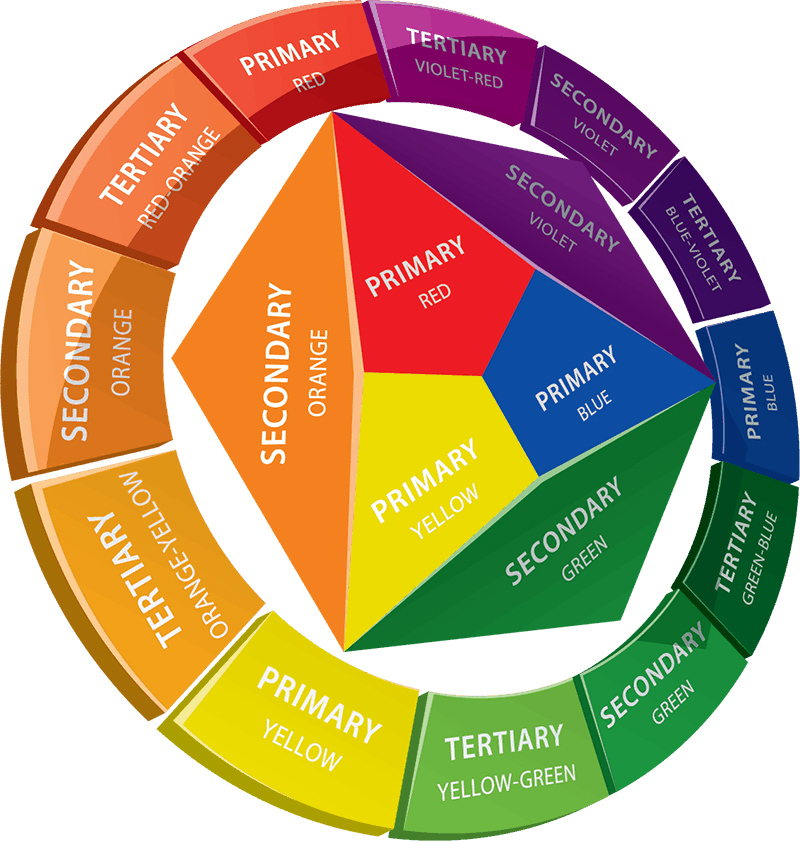
Scientific knowledge of the basic principles of color is essential for meeting the demands of matching tooth color to patients’ esthetic expectations. Color can then be described by classifying it into three categories:
Teeth Shade Taking Environment
The most influential factor when taking a shade is the quality of the light source. It is commonly known that natural light at midday is the most accurate for color matching. Since this light is not conducive to a dental practice, artificial lighting is more common.
Using a light source that most closely resembles natural sunlight is ideal. Color-corrected lights are available that display colors more accurately. Also, using full-spectrum LED lights works just as well. The key is to have balanced lighting that closely mimics natural light. Lighting that is as close to 5,500°K with a 100% color rendering index is ideal.
Many factors can affect the ability to achieve this, including:
Because color perception is profoundly affected by surrounding colors, it is essential to neutralize these before taking a shade. Influencers could include lipstick or clothing. Ask patients to remove lipstick and neutralize their clothing by draping a neutral gray cloth over them.
Also, it is crucial to take shades quickly. A tooth should not be looked at for more than 5 seconds to avoid hue accommodation. To give your eyes a break during the shade-taking process, look at a neutral gray background to screen out color glare.
FREE TO DOWNLOAD – SUCCESS GUIDES
DOWNLOAD A GUIDE
Taking the Shade

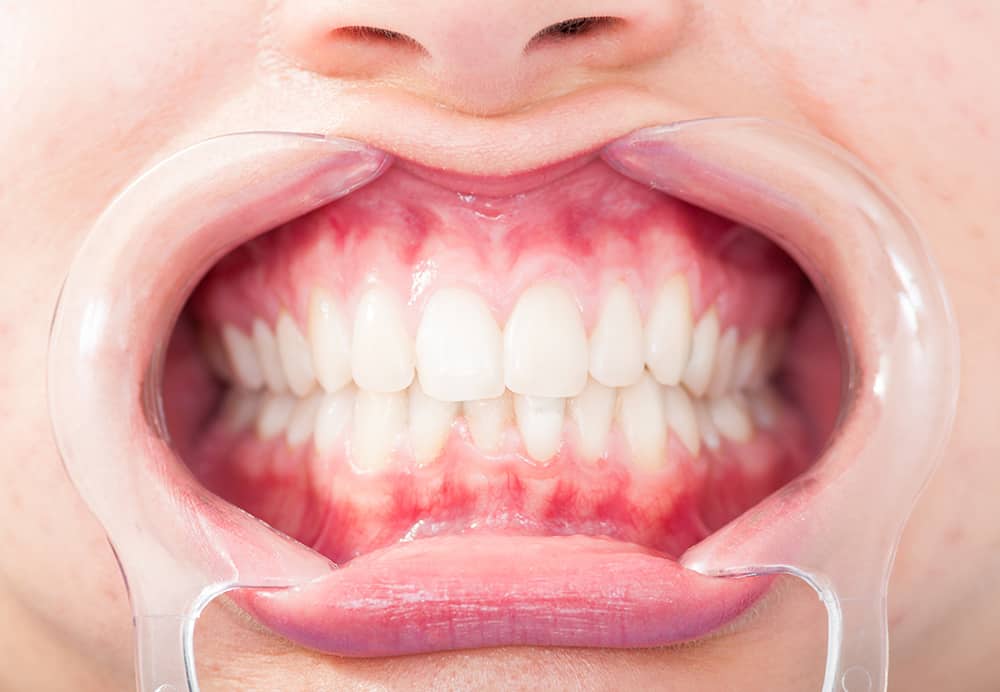
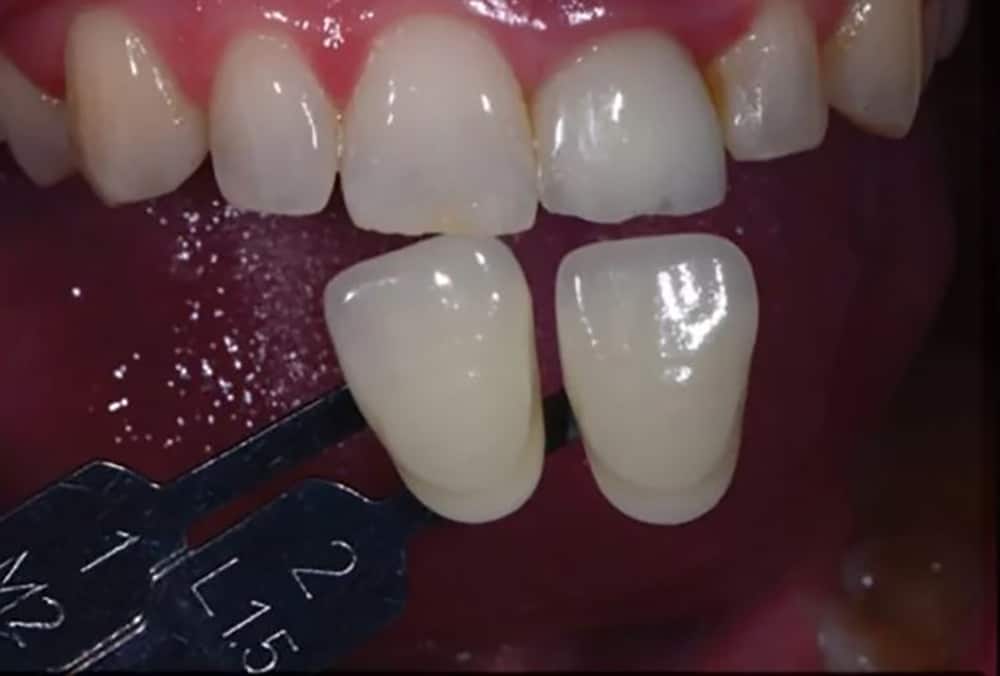
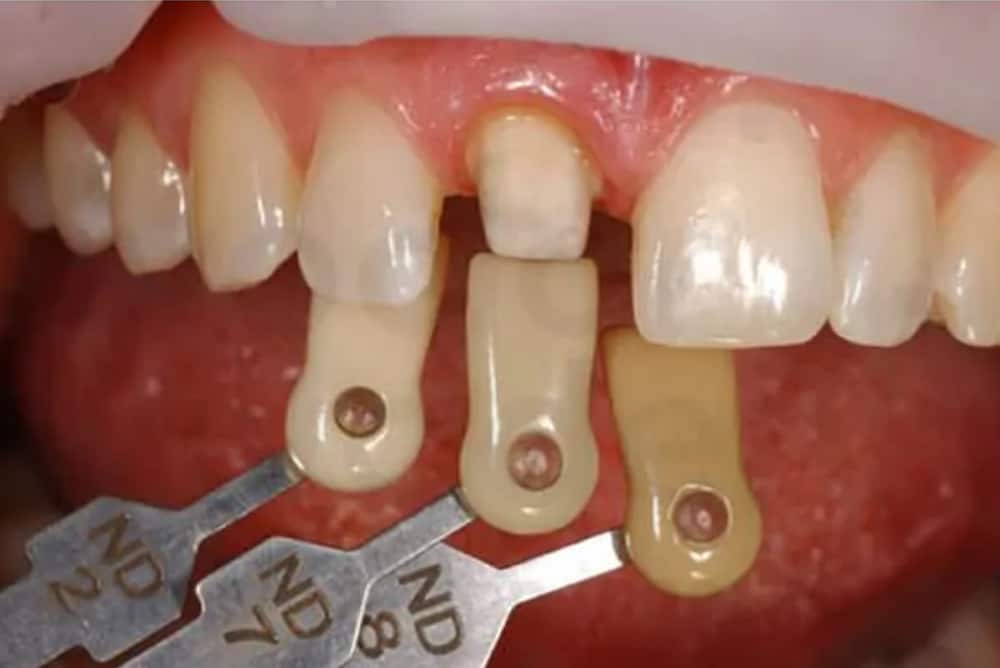
The teeth shade-taking process is important because it is critical to provide the dental laboratory with accurate information for fabricating the case. The accuracy of this step is crucial to reducing adjustments and remakes, and ultimately improving profitability. It also significantly affects the patient’s experience with the process and influences their overall satisfaction. Below are the steps that improve the ability to take an exact shade:
Photography
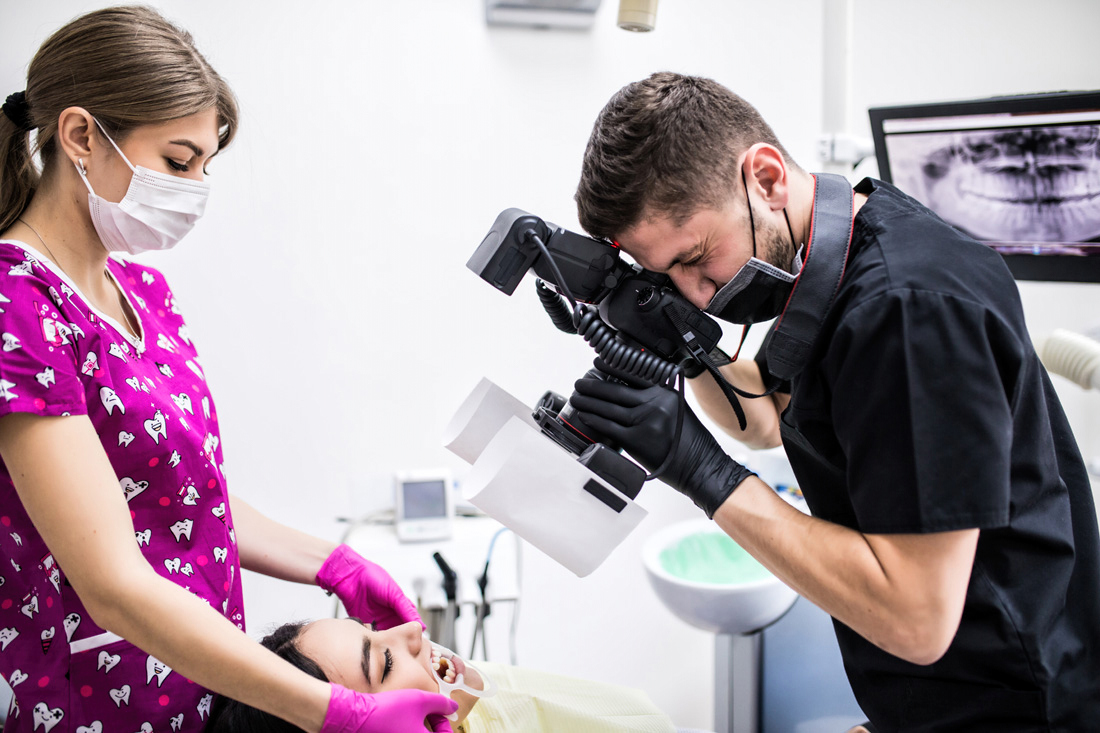
While photography does not provide accuracy in shade evaluation, it does provide valuable information for the dental lab technician.
To fully communicate the shade, make sure to provide the following pictures:
Light source
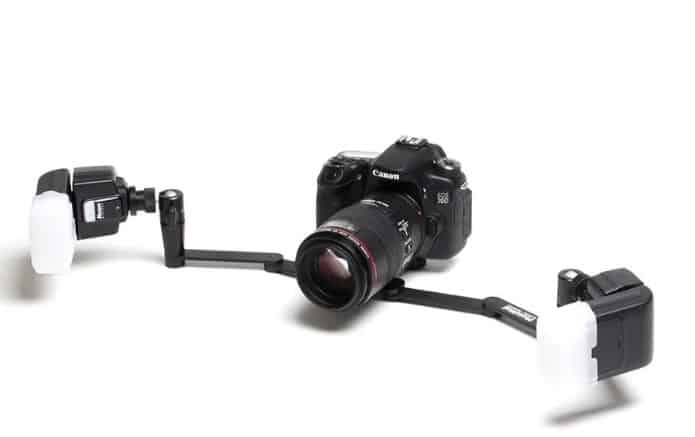
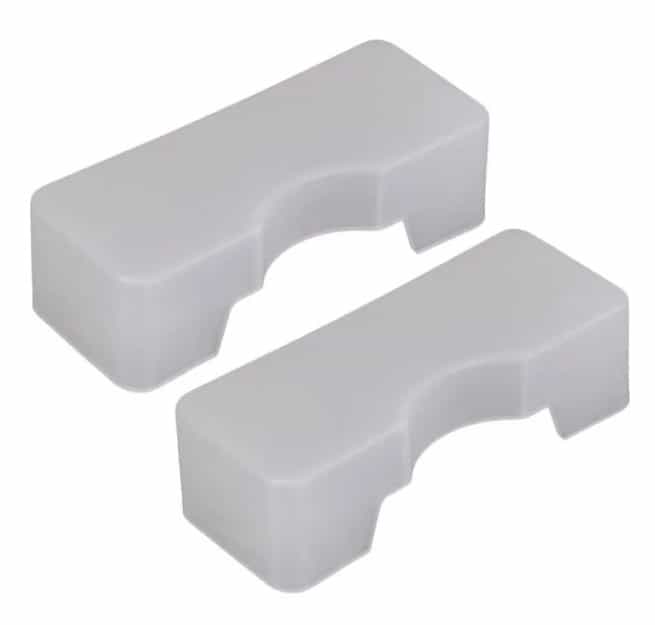
The diffuser helps to reduce glare. Again, it is crucial to use full-spectrum, color-corrected lighting in the operatory and ensure there are no outside color influences, such as walls or clothing, as these will reflect into the shade and create discrepancies.
Position the camera in the same plane as the patient’s teeth. This position should be almost perpendicular, with just a slight variation to the left or right to remove glare.
Several factors can affect a person’s ability to match a shade accurately. These factors include:
Because shade-taking is such an essential part of the restorative process, it is a good idea to have the dental practice staff’s color vision tested. These tests are relatively simple and can indicate whether a person has a color vision deficiency and assess an individual’s ability to discern small color differences.
Color communication is exceptionally vital to the success of any restorative procedure. Managing the patient’s aesthetic expectations is crucial to their satisfaction. Burbank Dental Lab understands the vital role it plays in this process and is available to offer suggestions and support to help your dental practice thrive.


 Previous Post: