




Implant rehabilitation processes continue to expand and evolve to meet the challenges of modern dentistry. Patients’ needs are often the driving force behind these changes, as patients demand higher esthetic outcomes, pain-free experiences, and shorter treatment times. Implant immediate loading is an implant protocol that has evolved in response to increased patient expectations.
“One surgery. One provisional. A shorter path to the final restoration — that’s the promise of immediate implant loading done right.”

Benefits of Implant Immediate Loading
Implants, in general, can take anywhere from three months to twelve months to complete the treatment, depending on the specific indication. For the patient, this can mean several trips to the dentist. Through immediate implant placement and immediate implant loading, the time commitment is significantly reduced.
“Primary implant stability isn’t a nice-to-have for immediate loading — it’s the deciding factor between success and failure.”
Other benefits of implant immediate loading include:
FREE TO DOWNLOAD – SUCCESS GUIDES
DOWNLOAD A GUIDE
Patient Evaluation
For implant immediate loading to be successful, careful patient selection is crucial. Implant stability is the most important factor in reaching clinical success. Therefore, to move forward with this type of placement, it is essential to evaluate the bone quantity and quality.
A Computerized Tomography (CT) scan is one of the best ways to evaluate bone density and determine the viability of the proposed treatment.
Other criteria when evaluating a good candidate for implant immediate loading include:
Case selection is critical to avoid failures, and discussing the potential risks patients should be aware of can help mitigate potential failures or esthetic challenges.
“From digital scan to final SMART 1 abutment and ZIRMAX crown in 7 days: this is what a tightened digital workflow looks like in practice.”
Clinical Case
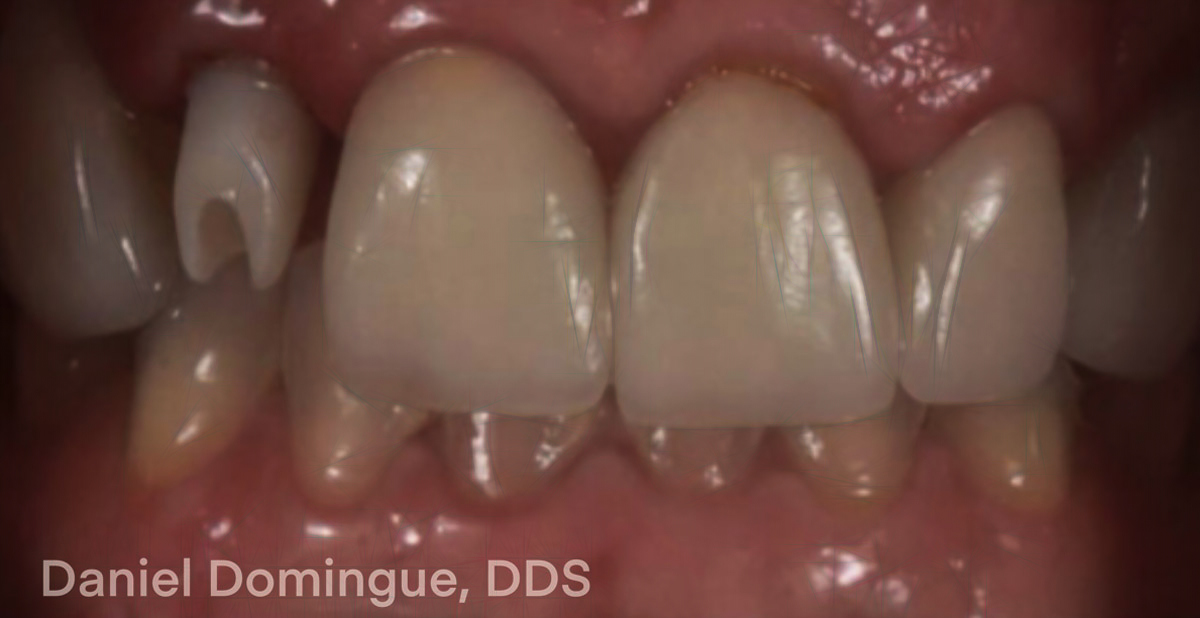
Burbank Dental Lab was fortunate to work with Dr. Daniel Domingue on the following implant case. The patient presented with an unsavable upper lateral. She was leaving town and needed to leave with a tooth. After examination, it was determined that the patient was a candidate for immediate implant placement.
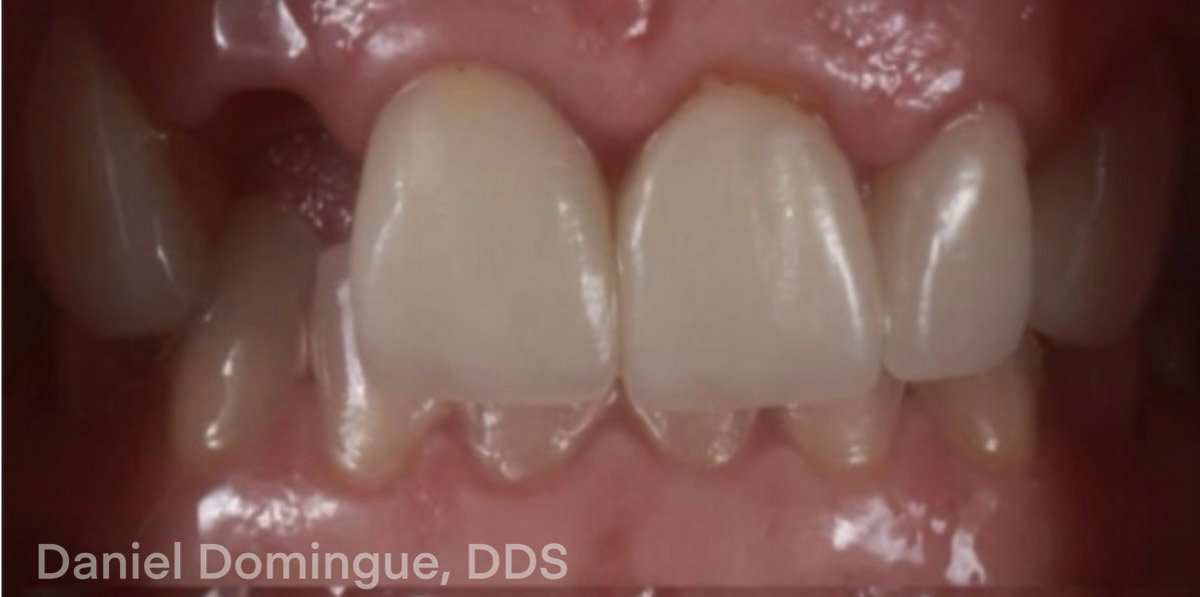
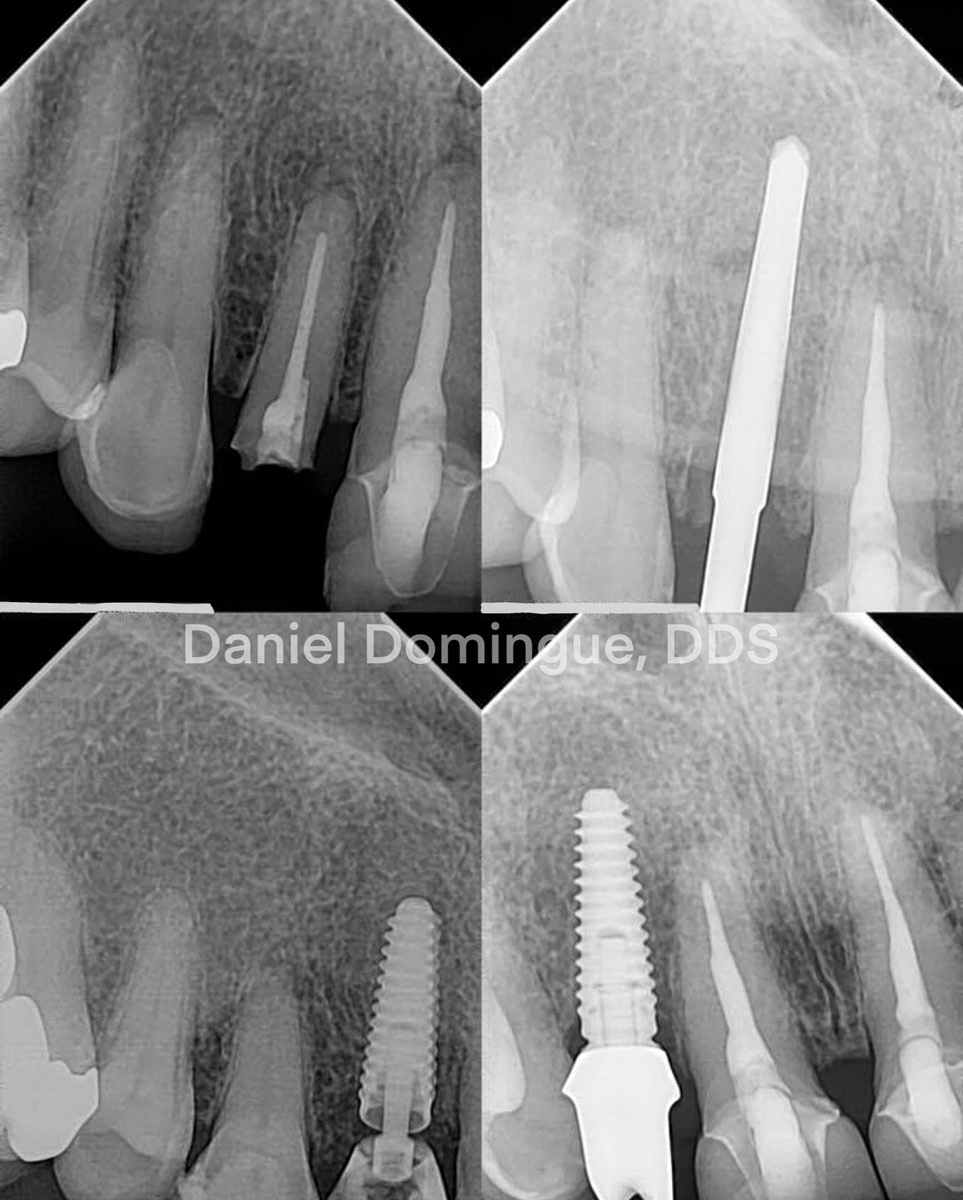
The patient was sedated, and the tooth was extracted (see the image above). An immediate implant was placed.
The implant used was a 3.5 x 13 MegaGen Anyridge implant.
An immediate temporary was placed on a PEEK abutment. The patient was able to leave town with a functioning temporary in place.
Digital Workflow
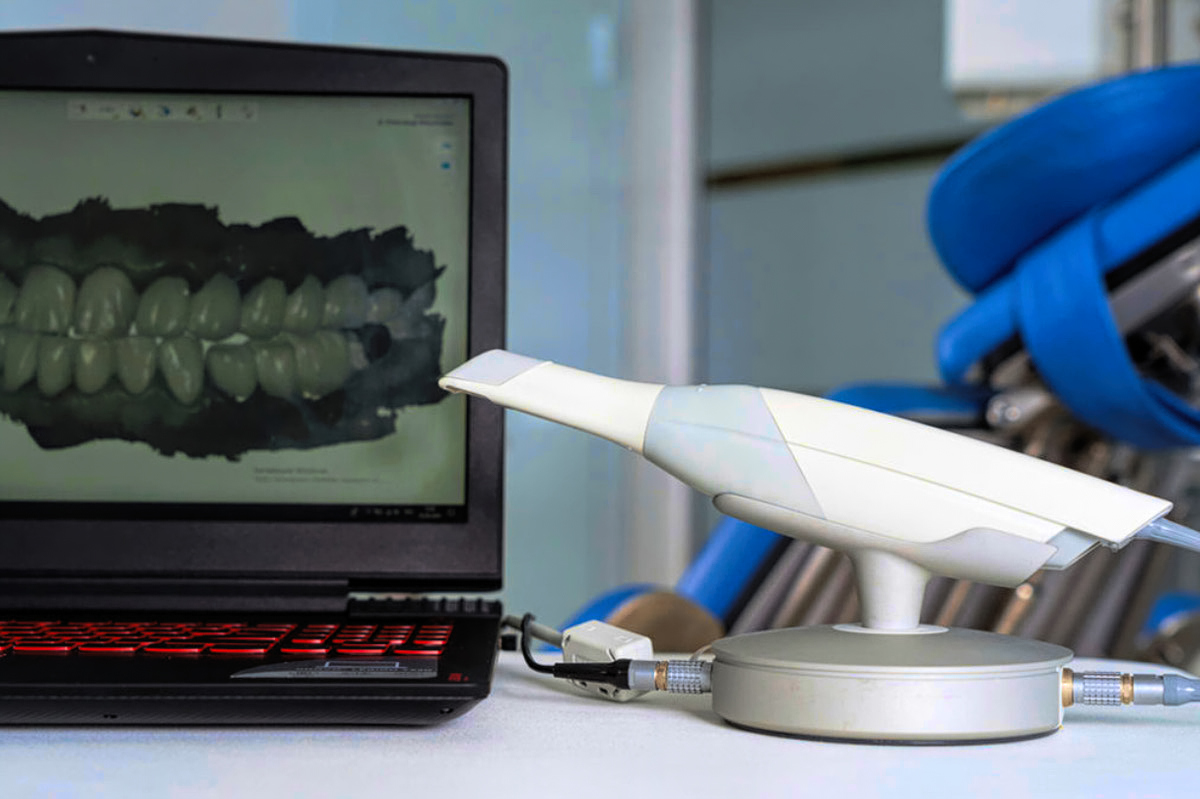
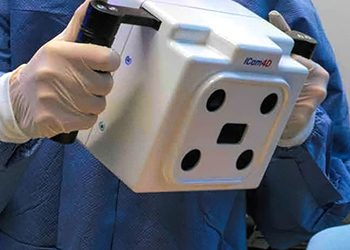
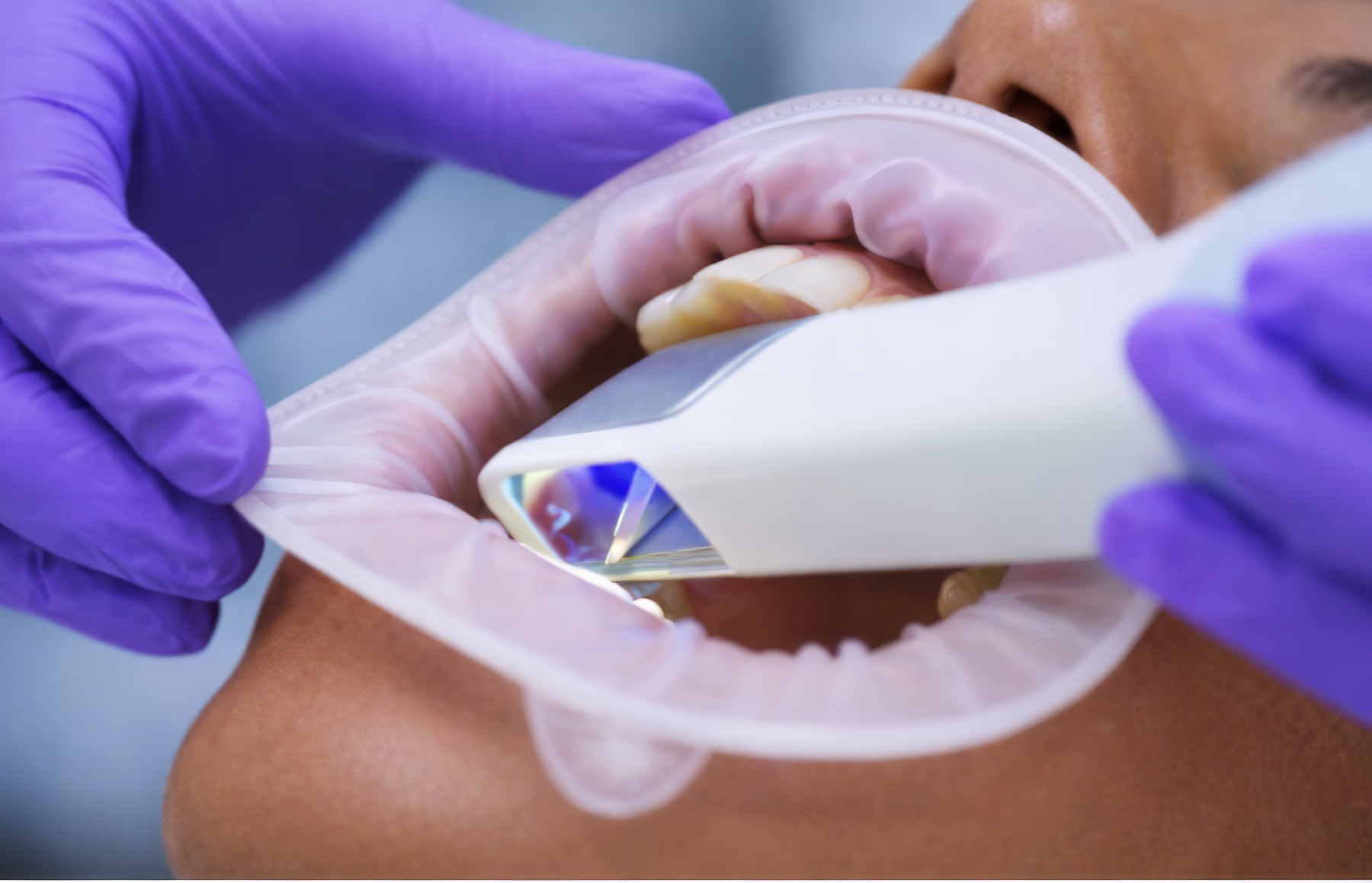
This case was scanned using a digital scanner (3Shape). Digital impressions create improved workflows in single-unit implant cases.
This patient needed the final abutment and crown completed within 7 days. Digital workflows help to improve turnaround times and provide this patient with the timeline she required. In addition, intraoral scanners also provide the following benefits:
The implant was given time to integrate. The patient returned after three months for the final restoration. The patient was scanned using a body scanner to capture specific implant information. In addition to the body scan, an opposing and bite record were recorded. The data was viewed as a 3-dimensional model on a screen. The scan was evaluated to ensure the necessary information was captured.
The digital file was uploaded to Burbank Dental Lab. In addition, detailed information, such as implant details, desired abutment specifications, esthetic concerns, crown material, and any other relevant information, can be provided to help ensure the case is successful at the seat appointment.
A Burbank Dental Lab implant team member can assist with the steps above or answer any questions to ensure a successful outcome.
Design and Manufacture

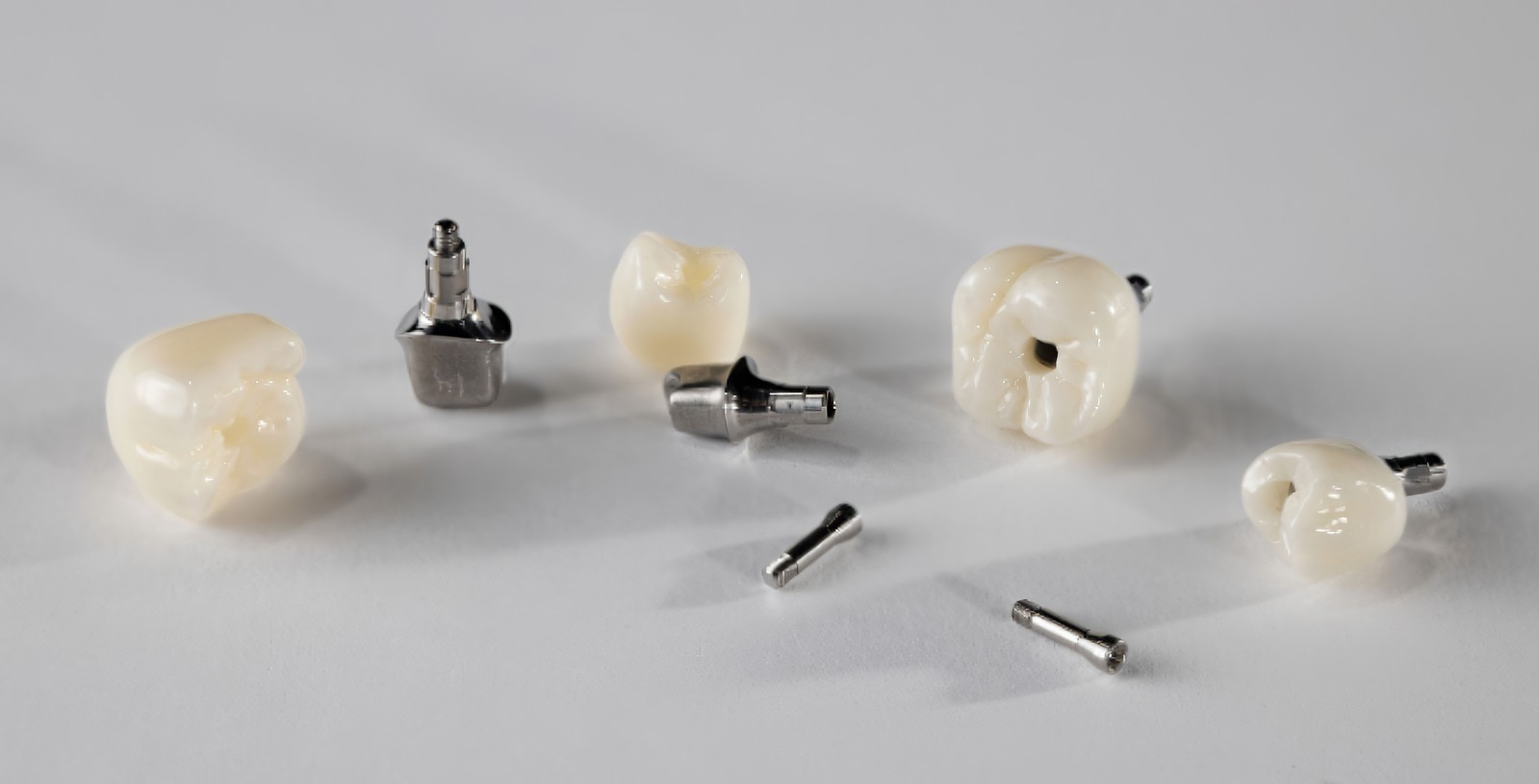
Burbank Dental Lab received the digital files and began the design process. The files were evaluated to ensure there were no issues. SMART 1 Zirconia Abutment was designed and milled with a layered zirconia crown to match the surrounding dentition.
Accuracy in these types relies on the precision of the equipment used to both design and mill the final output. At Burbank Dental Lab, milling is done using CNC (computer numerical control) milling machines that deliver high accuracy. This is crucial in the thin margins for customizing crowns and contacts, as well as for customized implant abutments.
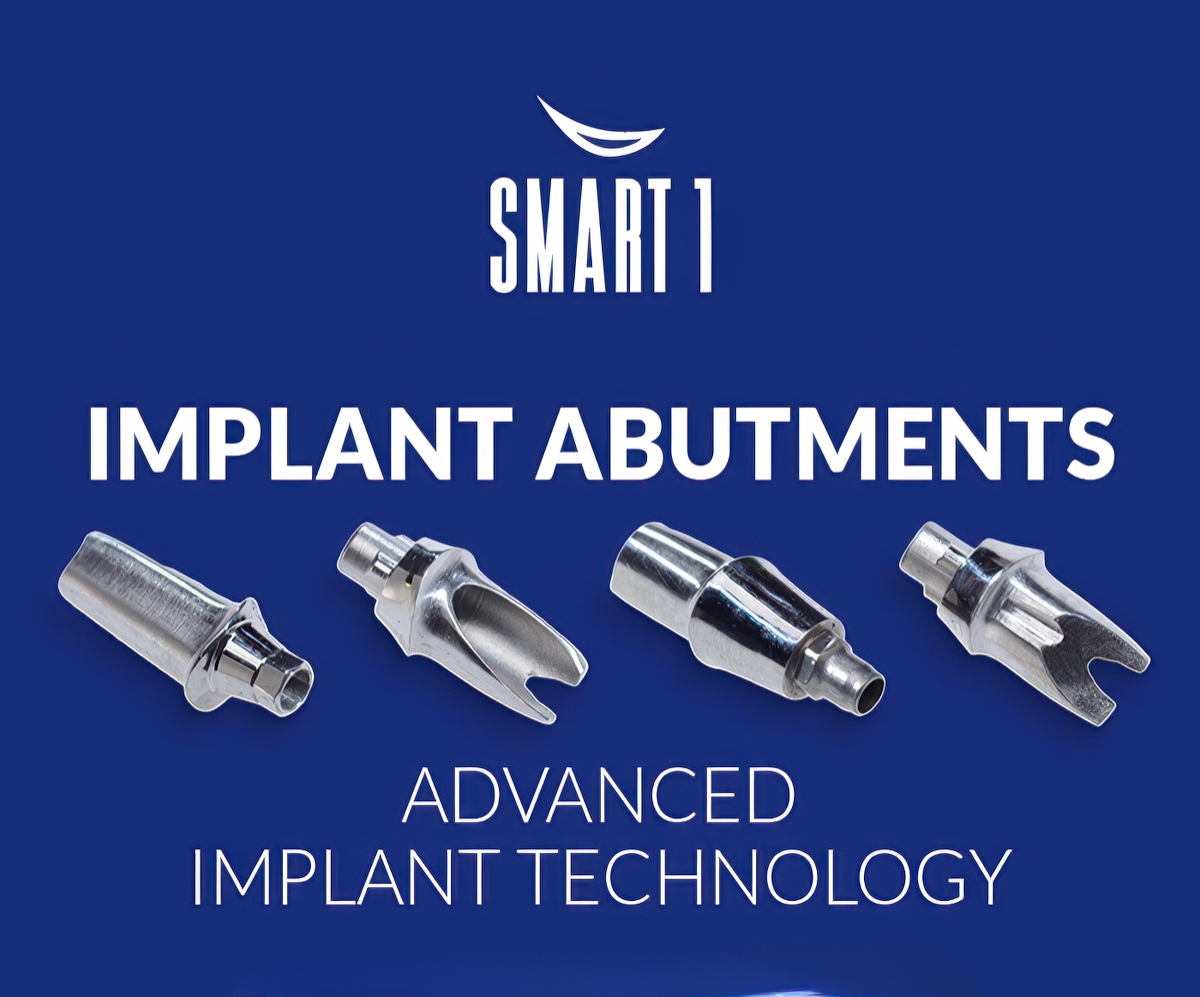
SMART 1 Abutments
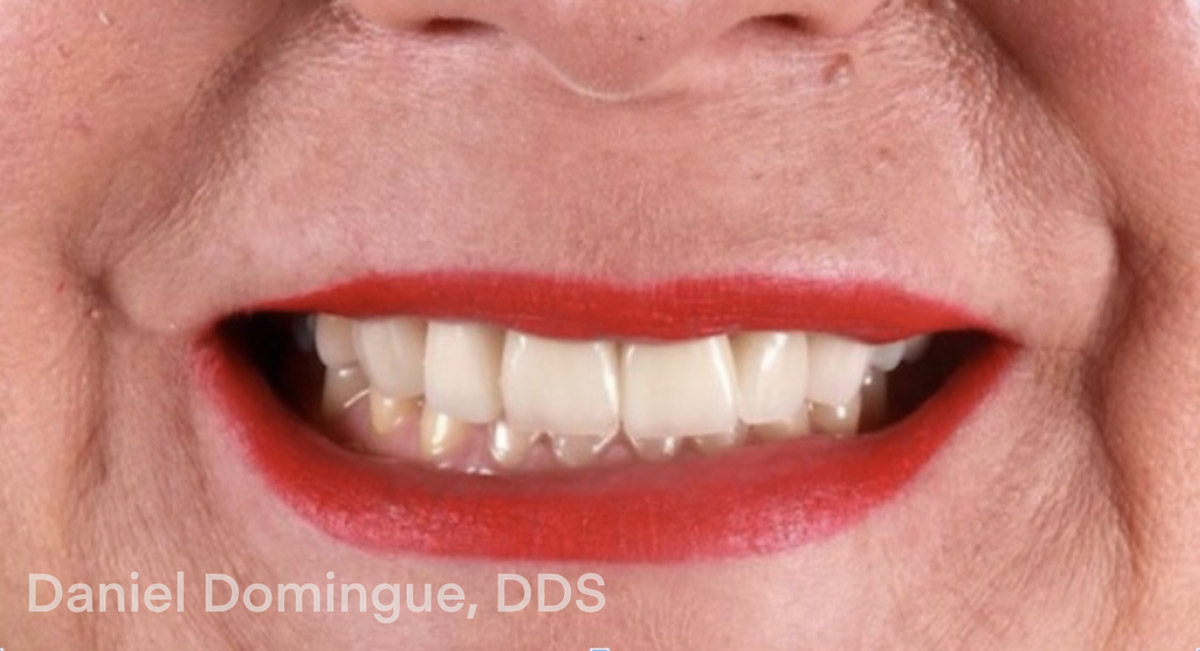
Once the abutment was designed and milled, the final restoration was then completed (fig 3). It was determined that a layered ZIRMAX Zirconia crown would be necessary to blend and match the surrounding dentition. Once completed, the case was sent to Dr. Daniel J. Domingue for insertion.
Use the following protocol when delivering SMART 1 zirconia abutments:
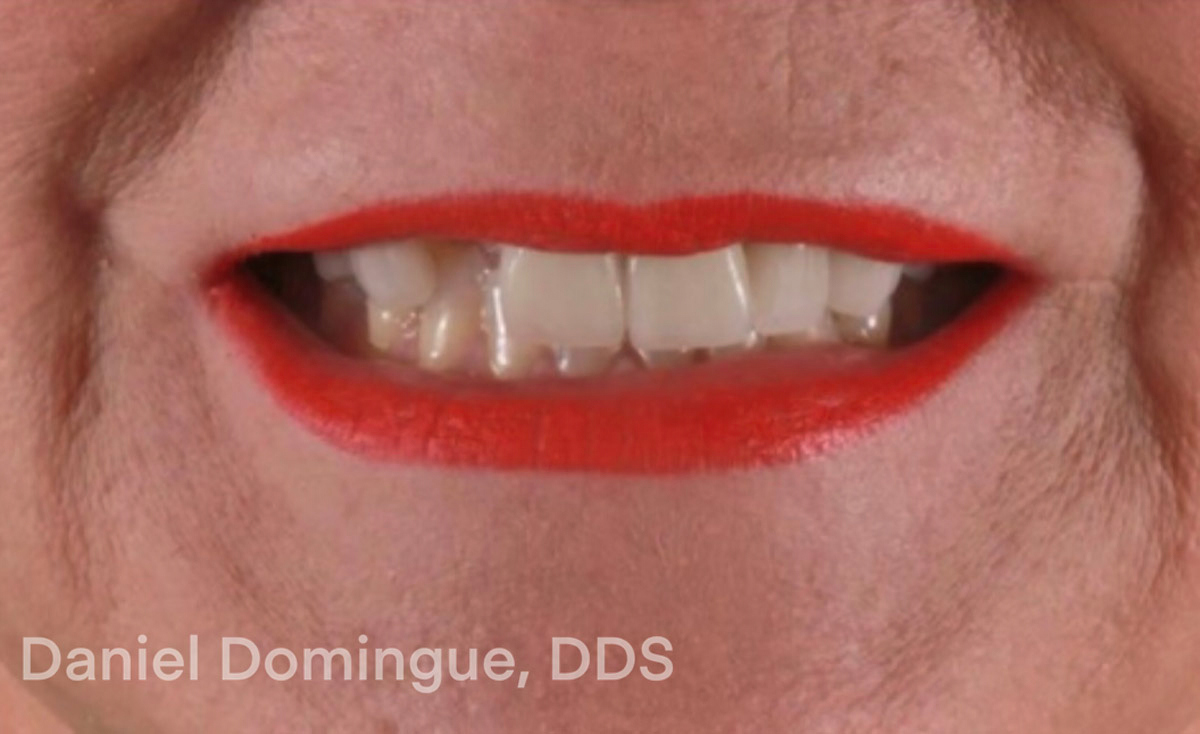
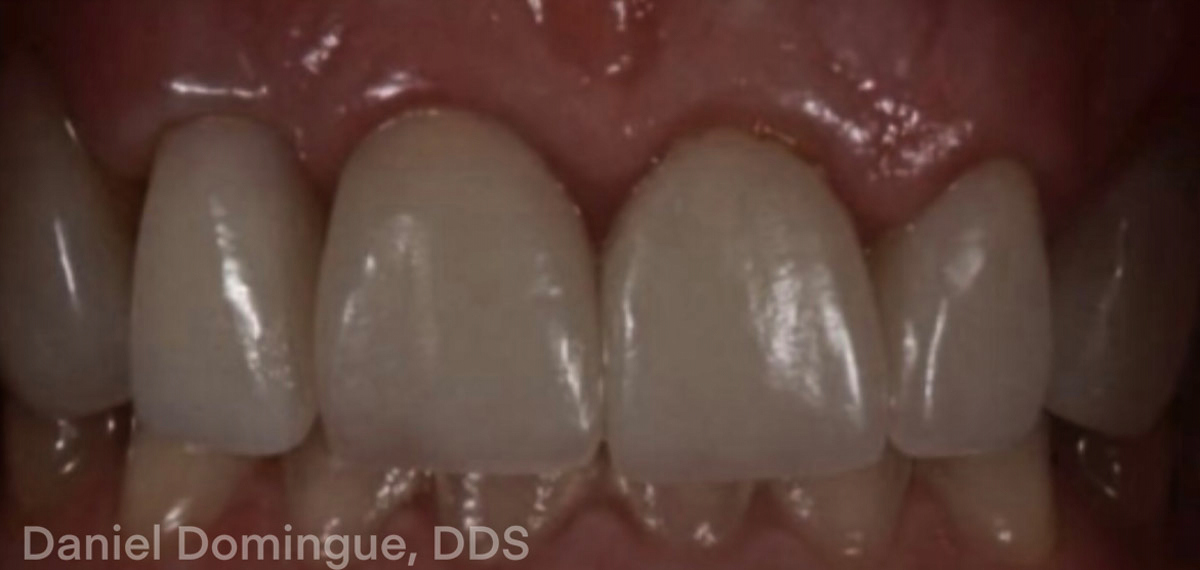
This restoration option produced an excellent, natural result that addressed the patient’s esthetic concerns (see the image above). The implant immediate-load-only was a perfect treatment option for this patient, as it met her timing requirements.
Being able to offer a solution for patients who travel frequently and need options for implant treatments is invaluable. This patient had her needs met and left the appointment a fan.
The dental industry, in general, has seen huge improvements and changes to workflows with procedures such as implant therapy. These changes are often patient-driven. With immediate-load implant procedures, patients can experience a more efficient way to replace missing dentition. These cases address time, travel, esthetic, and discomfort issues.
Call or chat today to get started on your next implant case.
Thank you, Dr. Daniel J. Domingue
We want to thank Dr. Daniel J. Domingue for providing the photographs and case notes.


 Previous Post: