


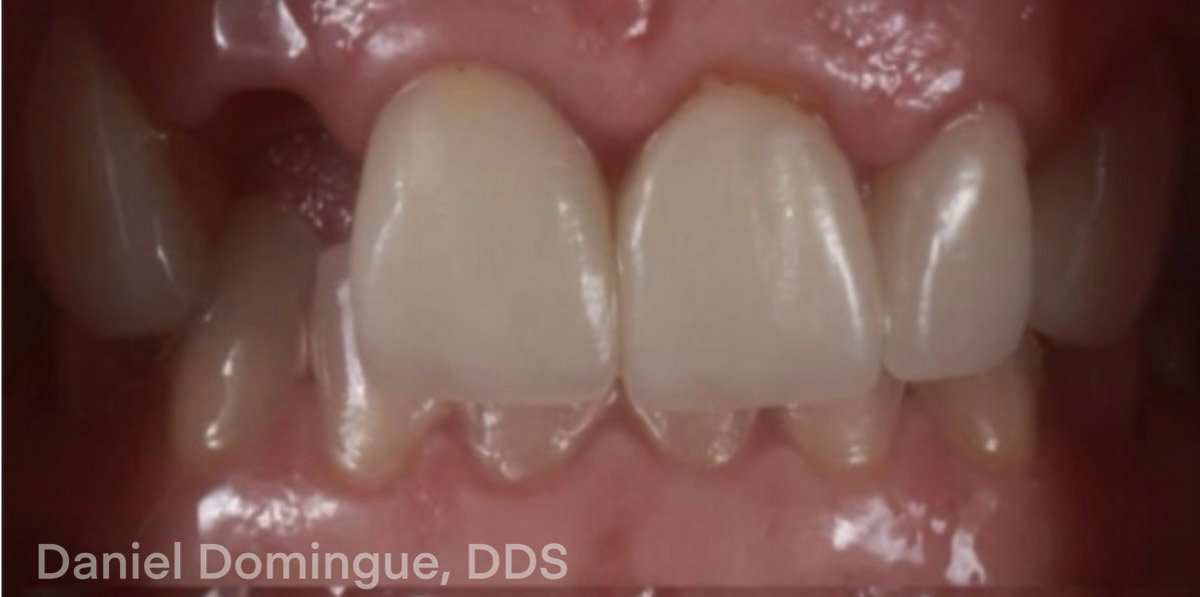


The all-digital workflow at Burbank Dental Lab is reshaping the future of implant-supported restorations, one scan at a time.
All-Digital Full Arch Restorations with ICam4D
Precision, predictability, and patient satisfaction are critical for successful outcomes—especially in implant dentistry. Burbank Dental Lab has revolutionized its implant workflow using a fully digital approach that incorporates CBCT scans, digital photography, intraoral scans, and the cutting-edge iCam4D photogrammetry system.
This advanced digital ecosystem is designed not only to improve surgical accuracy but also to engage patients in their smile design before the procedure even begins. Burbank Dental Lab’s all-digital workflow is reshaping the future of implant-supported restorations, one scan at a time.
What Is a Fully Digital Workflow in Implant Dentistry?
A fully digital workflow involves replacing traditional steps in dental implant planning and restoration with digital alternatives. This approach improves efficiency, reduces the risk of error, and creates a seamless path from diagnosis to final prosthetic delivery.
At Burbank Dental Lab, the digital implant workflow includes:
Each step is interconnected and data-driven, designed to enhance treatment planning, surgical accuracy, and esthetic outcomes.
Workflow with the ICam4D Scanner
Step 1: CBCT Scanning for Bone and Implant Planning
The workflow begins with a CBCT scan, which provides a detailed, 3D view of the patient’s bone structure. This scan is essential for:
CBCT data is the foundation of the digital surgical guide design, ensuring that implant placement is both safe and precisely aligned with the final prosthetic outcome.
Each step is interconnected
and data-driven.

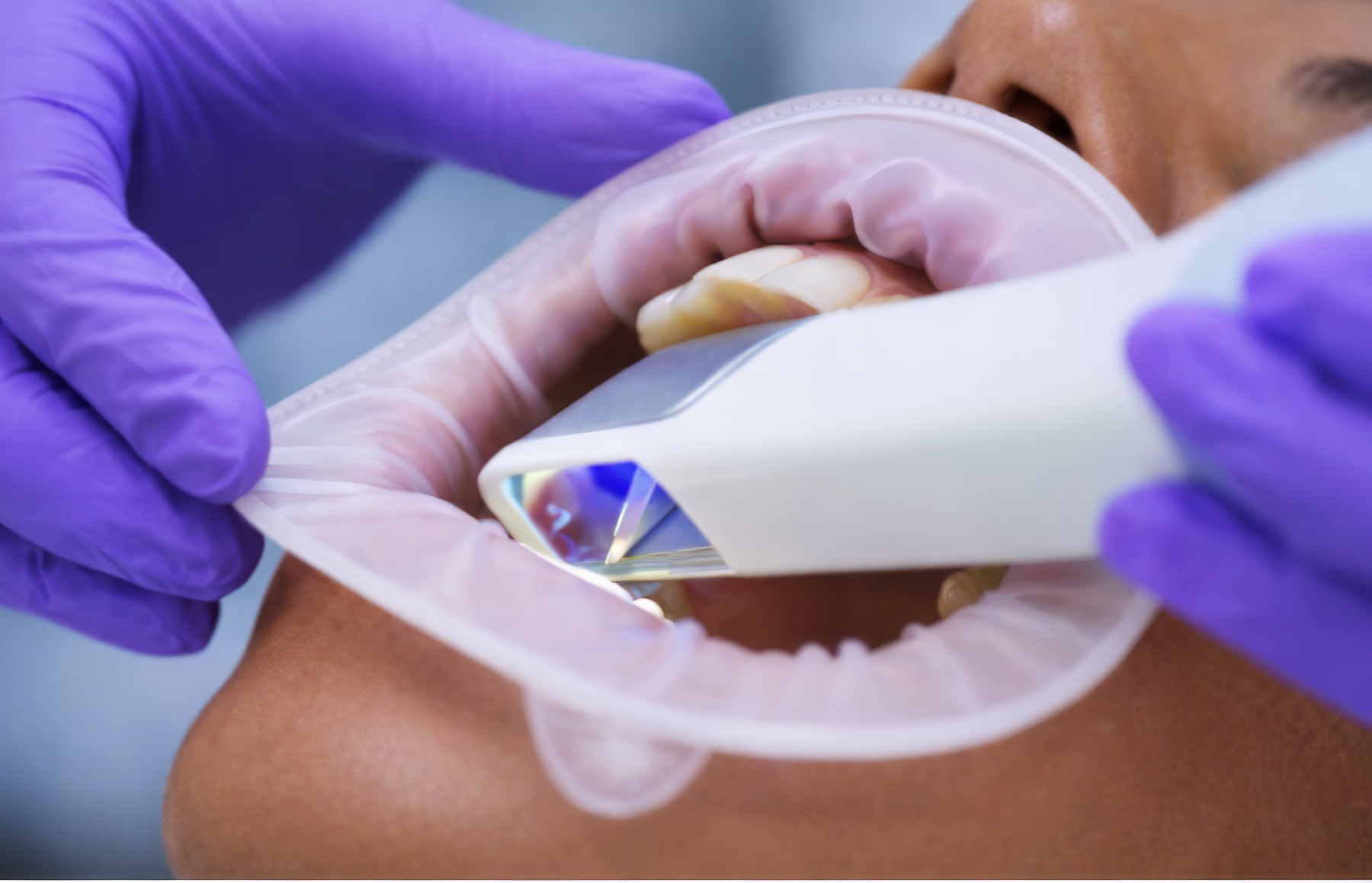
Step 2: Intraoral Scans for Accurate Soft Tissue Capture
Traditional impressions are messy, uncomfortable, and error-prone. These devices capture:
Digital impressions are instantly available and easily shared with the lab, reducing turnaround time and increasing accuracy.
CBCT data is the foundation of the digital surgical guide, ensuring implant placement is safe and aligned with the final prosthetic outcome.
Step 3: High-Resolution Digital Photos
Smile design is no longer guesswork. Integration of full-face, high-resolution digital photography is used to:
These images are critical to creating the patient’s 2D or 3D smile simulation.
Traditional impressions are messy, uncomfortable, and error-prone.
FREE TO DOWNLOAD – SUCCESS GUIDES
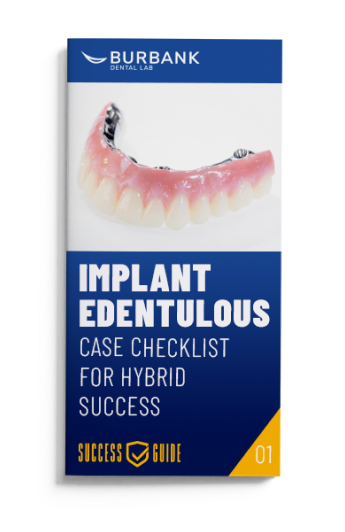

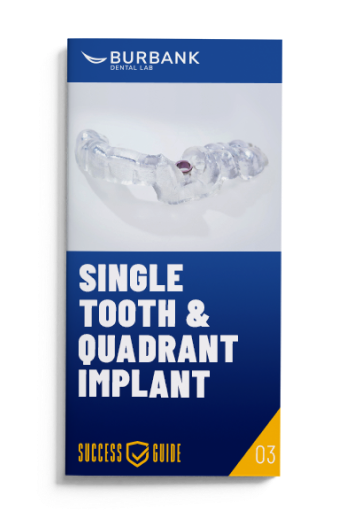
DOWNLOAD A GUIDE
Step 4: 2D & 3D Smile Simulations: Involving the Patient in Design
Using advanced software, Burbank Dental Lab converts the CBCT, intraoral scans, and facial photography into lifelike 2D and 3D simulations of the patient’s post-surgical smile.
Patients can now:
The patient can see everything before they go into the operating room. This process builds confidence and eliminates surprises, increasing case acceptance and patient satisfaction.
Smile design is no longer guesswork.

Step 5: Surgical Guide Fabrication
Once the digital planning is finalized, Burbank can design and fabricate a custom surgical guide using the combined data from the CBCT, intraoral scan, and approved smile design. This guide ensures implants are placed:
The patient sees everything before
they go into the operating room.
Step 6: Implant Placement & iCam4D Photogrammetry Scan
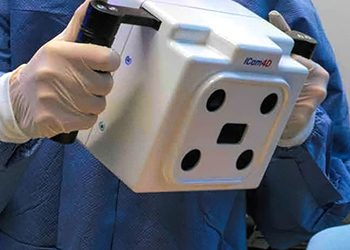
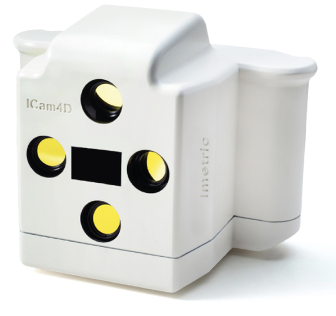
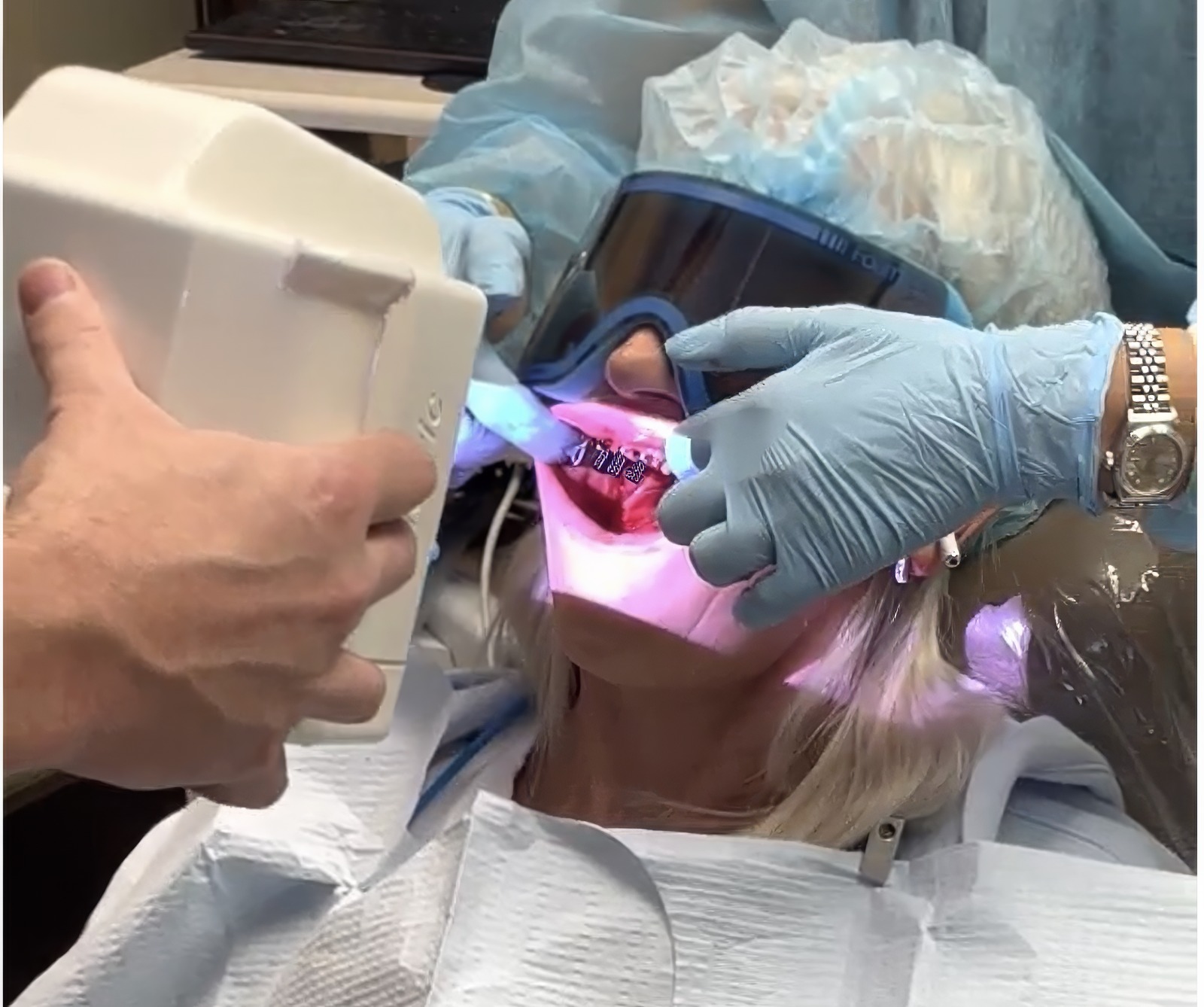
After implant placement, traditional open-tray impressions are no longer necessary. Instead, the iMetric iCam4D scanner, a breakthrough in photogrammetry technology, can capture precise implant information to create the final prosthesis.
Benefits of iCam4D:
The iCam4D enables exact alignment of the prosthetic to the implants, significantly reducing adjustment time and chairside errors. Call us to find out if your practice is in our scanning service area or to discuss your scanning options.
After implant placement, traditional open-tray impressions are no longer necessary.
Step 7: Final Prosthetic Design & Delivery
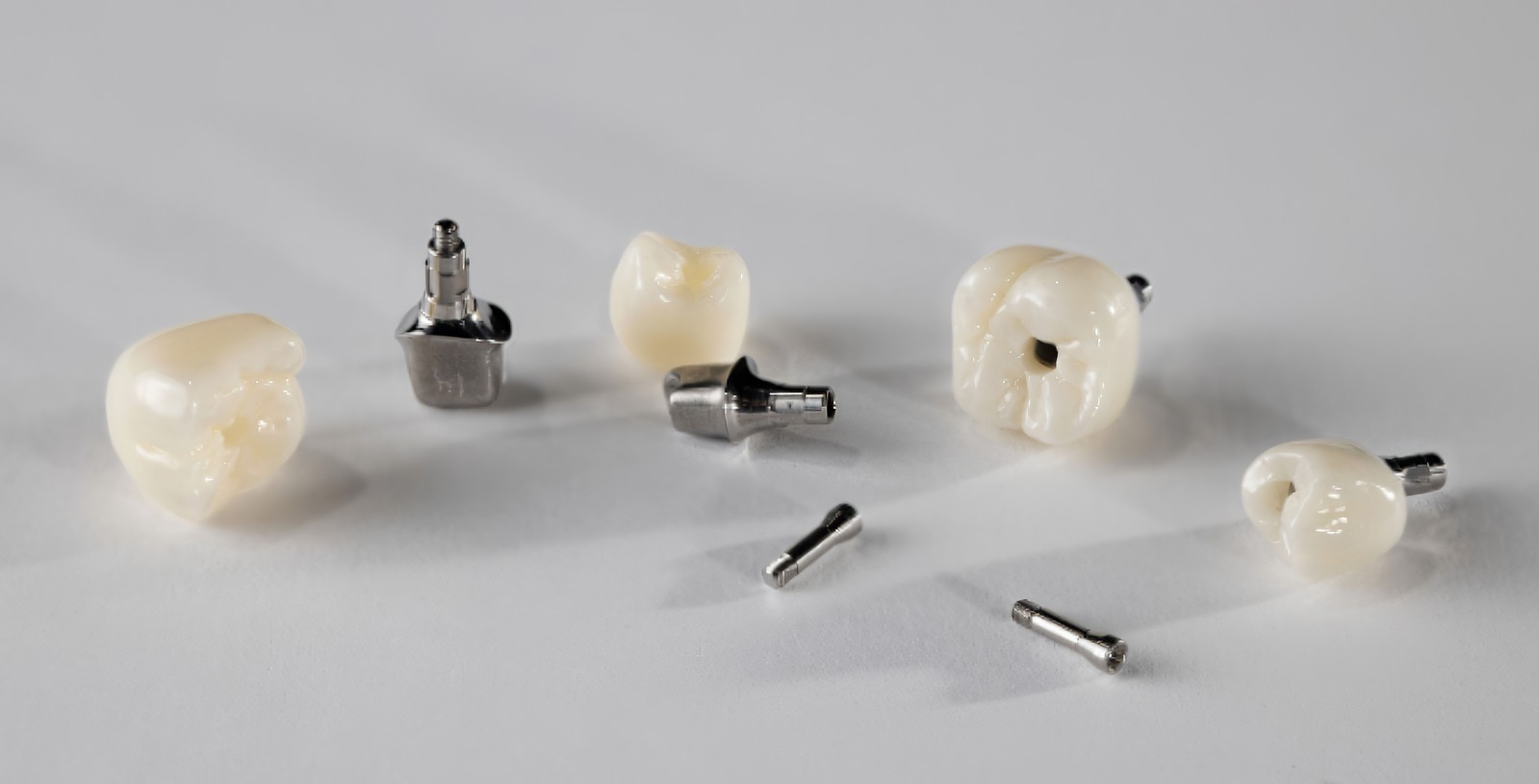
With all data in digital form, the lab crafts the final prosthetic restoration using CAD/CAM design. Benefits include:
Because the entire process is digital, clinicians and patients can be confident that the final prosthetic will match the approved 3D design.
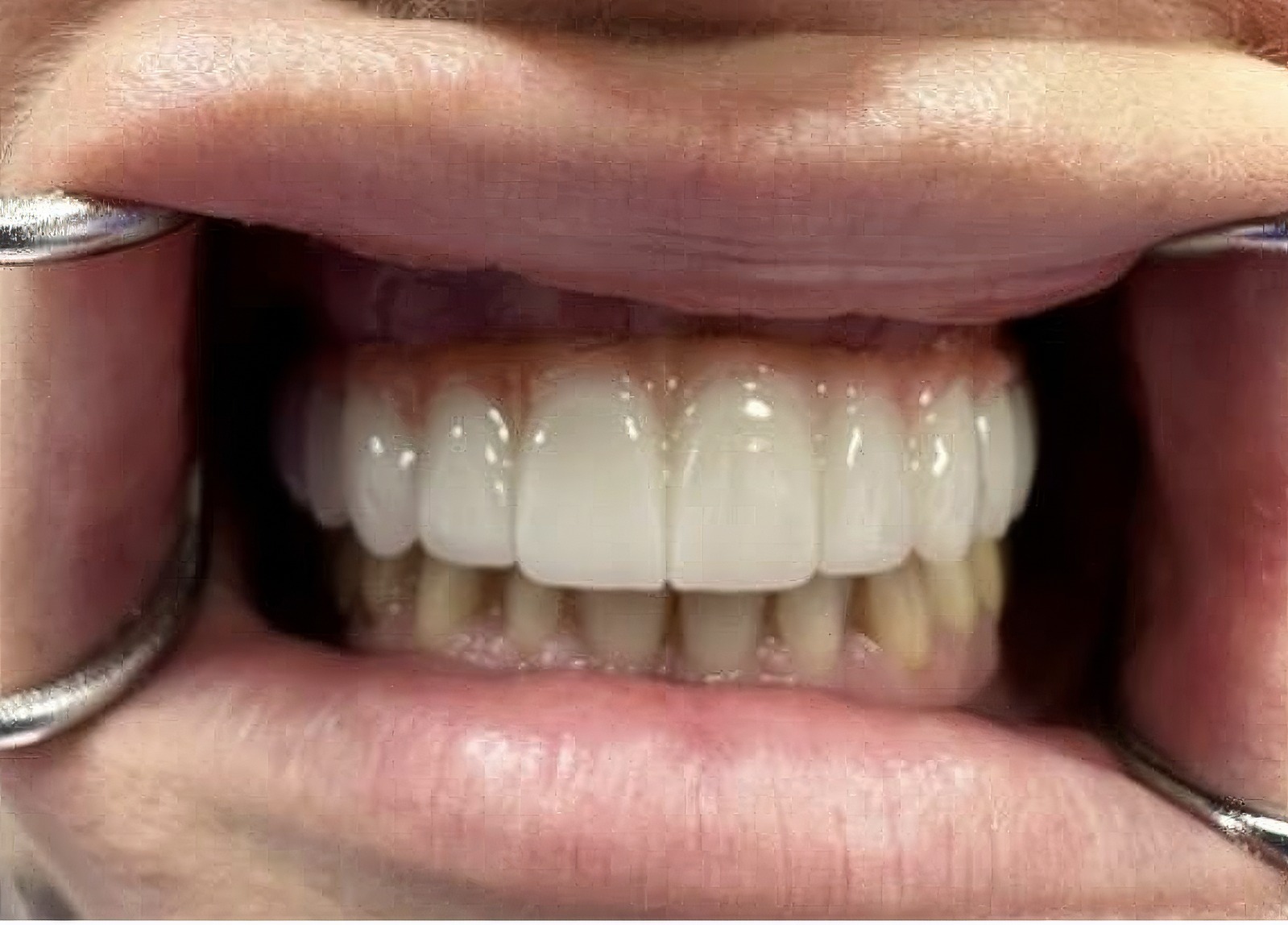
Sub-10 micron accuracy. Up to 8 implants in one scan. No physical impressions.
Why Dentists Are Choosing The Digital Workflow from Burbank Dental Lab
The all-digital workflow from Burbank Dental Lab isn’t just a technological upgrade; it’s a clinical game-changer. Dentists benefit from:
By integrating CBCT, intraoral scans, photogrammetry, and 3D modeling into a single cohesive pipeline, Burbank Dental Lab is setting a new standard for implant dentistry.
From pre-op planning to final delivery, Burbank Dental Lab’s all-digital workflow empowers clinicians to deliver more accurate, efficient, and patient-friendly implant treatments.
The final prosthetic will match the approved 3D design.
Schedule a digital case consultation today and experience the Burbank Dental Lab difference.
3 STEPS TO PHOTOGRAMMETRY SCANS
WE HELP YOU GET IT RIGHT EVERY TIME
STEP 1
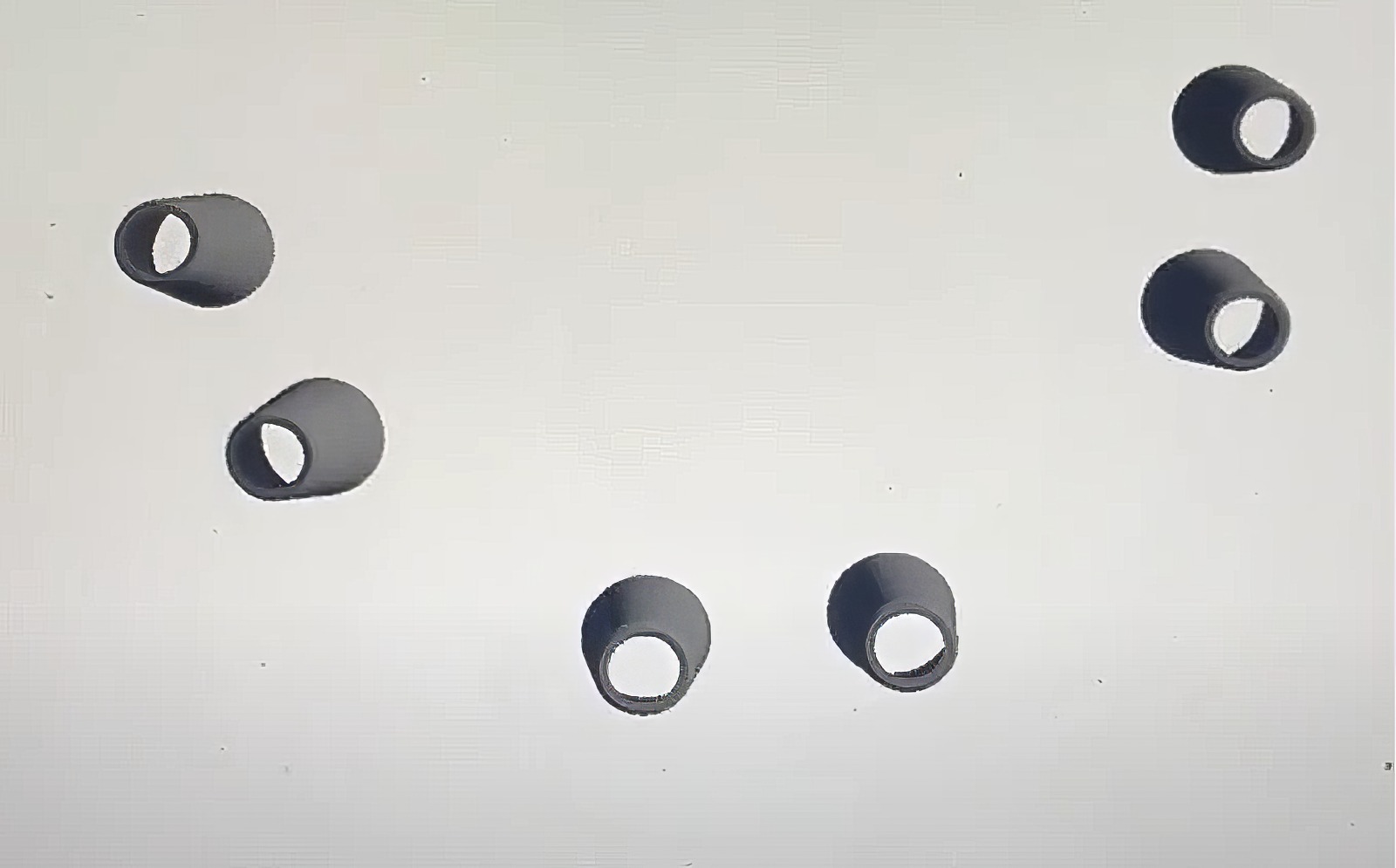
Burbank Dental Lab implant scan specialist provides the special scan bodies for insertion in the patient’s newly placed implant sites.
STEP 2
Scan Bodies are removed and special healing abutments are placed on the implant sites. Soft tissue can now be scanned with an intra-oral scanner.
STEP 3
The data from both scans are then sent to the dental laboratory. The ICam4d data and soft tissue scans are aligned to become a high-precision dental model.
This isn’t just a technological upgrade; it’s a clinical game-changer.
FAQ


 Previous Post: