




Material selection isn’t a preference.
It’s risk management.
Choosing a material for an all-ceramic restoration isn’t a matter of preference — it’s a matter of risk management. When these crowns fail, the material itself is rarely at fault. Failure almost always traces back to a mismatch between the material’s properties, the preparation it underwent, and the functional environment it must survive in.
Before you reach for zirconia or lithium disilicate, weigh three clinical variables:
Every material decision has to resolve the tension between all three at once. Ignore any one of them and the case turns into a compromise. And if a single variable is unfavorable for lithium disilicate, the safe move is to default to zirconia.
Understanding What Each Material Is Actually Designed For
Framing this as “zirconia vs lithium disilicate, strength vs esthetics” is too simple, and that oversimplification leads to poor clinical decisions. The real distinction is sharper than that.
When an all-ceramic crown fails, the material is rarely the problem
The mismatch is.
Zirconia: Engineered for Risk Reduction
Zirconia — especially monolithic formulations like Zirmax M and Zirmax ME — isn’t just strong. It’s forgiving. Its flexural strength runs roughly 900–1,200 MPa, compared with lithium disilicate’s ~400 MPa. Put zirconia under stress and its crystal structure shifts internally to resist cracking, which is why it holds up better than glass ceramics even when conditions aren’t perfect.
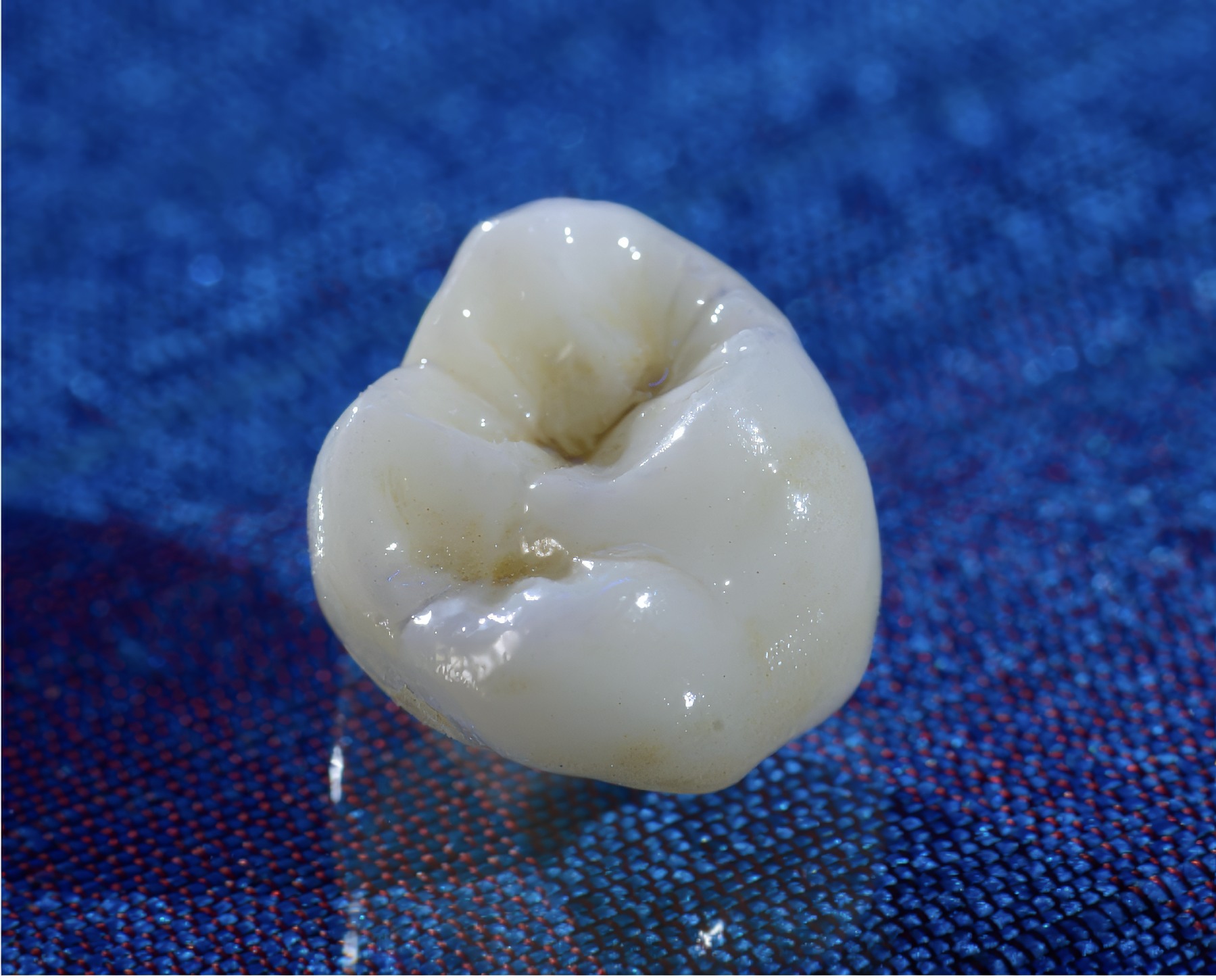
Zirconia often succeeds exactly where other materials fail — not because it’s inherently superior, but because it tolerates the clinical imperfections that are unavoidable in real practice. That tolerance is its defining clinical advantage.
Zirconia, confirmed bruxer’ tells us far more than ‘zirconia’ on its own.


Implants have no shock absorber. Every bit of occlusal force goes straight to the bone — and straight to the crown.
Lithium Disilicate: Engineered for Optical Control
Lithium disilicate is technique-sensitive. Its ~400 MPa flexural strength is plenty for anterior and controlled posterior cases — but only when every variable is optimized: adequate reduction (minimum 1.5 mm occlusal, 1.0 mm facial), correct adhesive bonding with HF etching and silane, a margin design that supports the ceramic, and a functional environment that stays within the material’s limits.
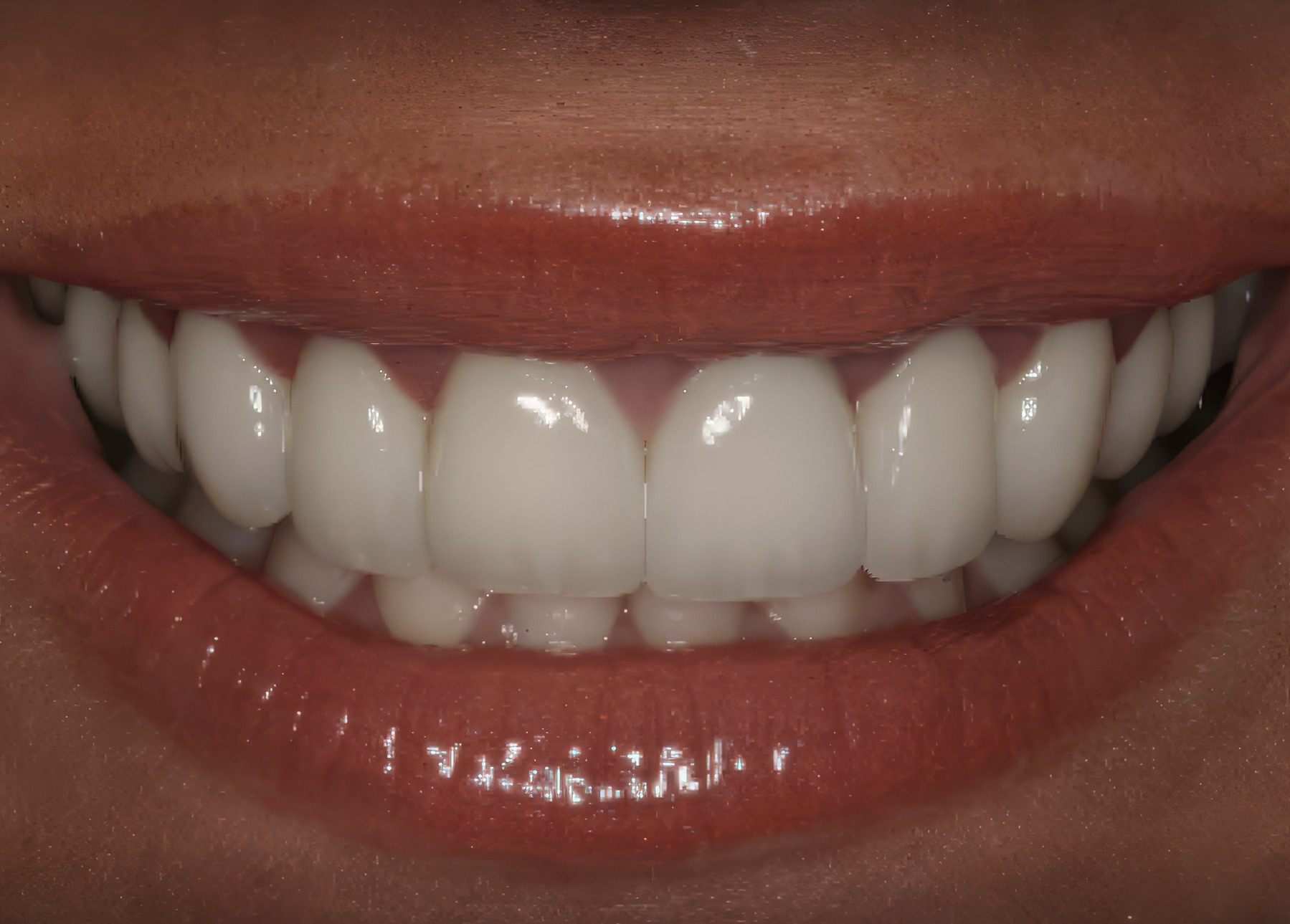
Compromise any one of these and the failure risk climbs sharply and nonlinearly. One suboptimal variable is manageable. Two or more together make failure close to certain.
Lithium disilicate rewards perfect technique. Zirconia forgives an imperfect one.
Side-by-Side Clinical Comparison
Variable | Monolithic Zirconia | Lithium Disilicate |
Flexural strength | 900-1,200 MPa | ~400 MPa |
Translucency | Moderate (higher in 5Y-TZP) | Excellent — natural optical depth |
Min. thickness | 0.5–0.7 mm (high-strength) | 0.8–1.0 mm minimum |
Occlusal reduction | 1.0–1.5 mm typical | 1.5–2.0 mm recommended |
Facial reduction | 0.8–1.0 mm | 1.0–1.5 mm |
Margin design | 0.3–0.5 mm chamfer | 0.8–1.0 mm shoulder / deep chamfer |
Cementation | Conventional or resin | Adhesive required (HF etch + silane) |
Posterior (molars) | Preferred — monolithic only | High risk — fracture likely |
Posterior (molars) | First choice | Selective — premolars, controlled only |
Anterior esthetics | Second choice — layered / 5Y-TZP | First choice |
Implant (posterior) | Preferred | Elevated risk |
Failure mode | Rare fracture; chipping if layered | Sudden fracture — non-repairable |
Limited reduction | Tolerant | Unforgiving - Over-contour or fracture |
Indication-Driven Material Selection by Clinical Scenario
Anterior Esthetic Cases
In the anterior, the deciding factor is light — how the crown transmits it and how well it blends optically with the natural teeth beside it. No ceramic system on the market right now matches the optical depth, internal scatter, and value gradient that lithium disilicate delivers in the anterior zone.
Reach for lithium disilicate first when the conditions line up:
Reach for layered zirconia first when strength has to come into it:
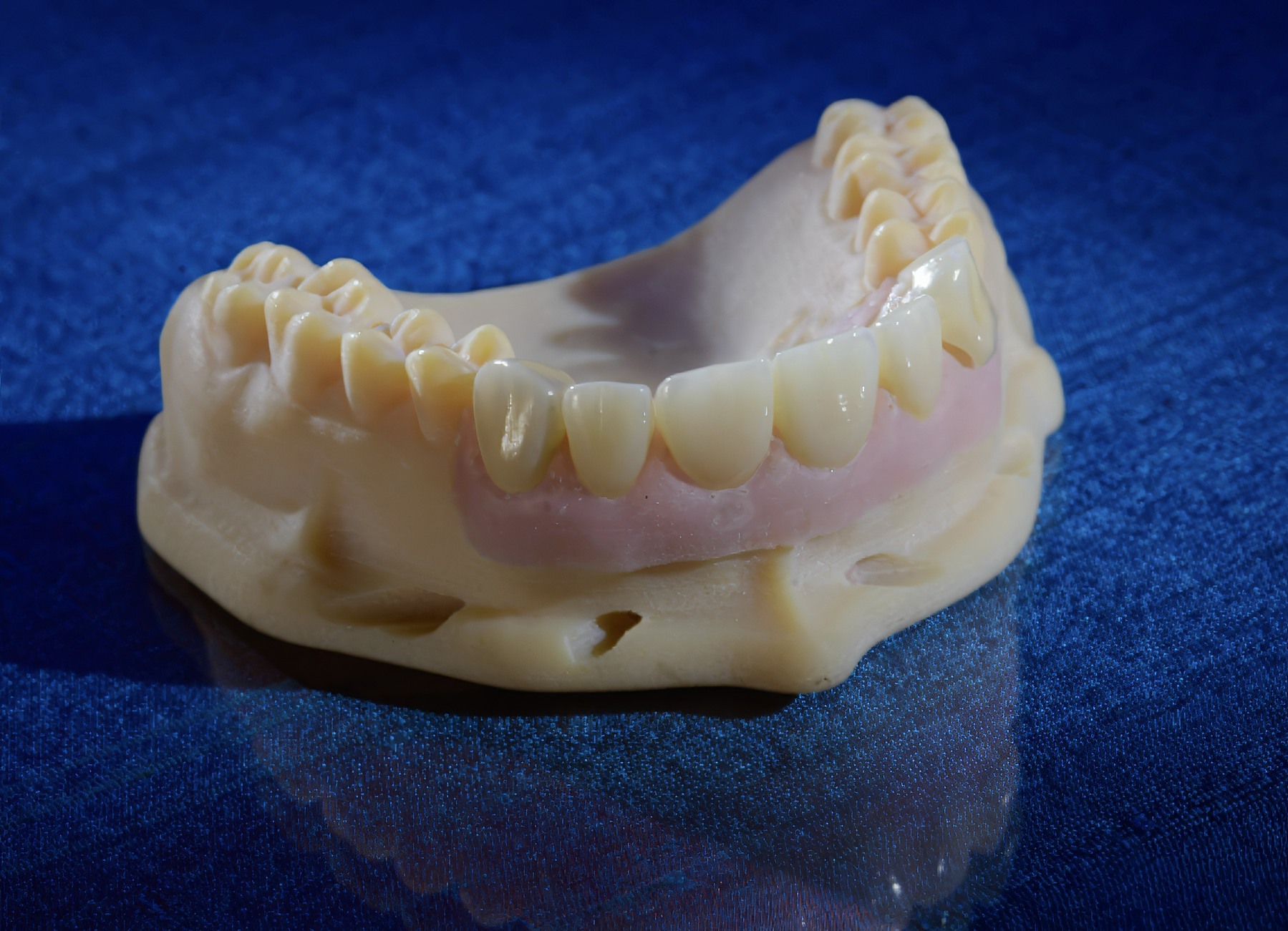
Drop full-contour monolithic zirconia into a high-esthetic anterior case without accounting for its opacity, and the outcome usually disappoints. Standard zirconia’s value and translucency are simply not those of natural enamel. What you get is a flat, lifeless restoration — one that reads as artificial from across a conversation and often has to be remade.
In the anterior, the deciding factor isn’t strength. It’s light.
Posterior Load-Bearing Cases
In the posterior, durability under repeated occlusal force is what matters. The threat here isn’t a single bite exceeding the material’s strength — it’s the ongoing, cyclic stress that seeds microcracks in glass ceramics over time.
First choice for every posterior case: monolithic zirconia. Reserve lithium disilicate for the posterior only when all four of these are true at once:
Bruxism and Parafunctional Cases
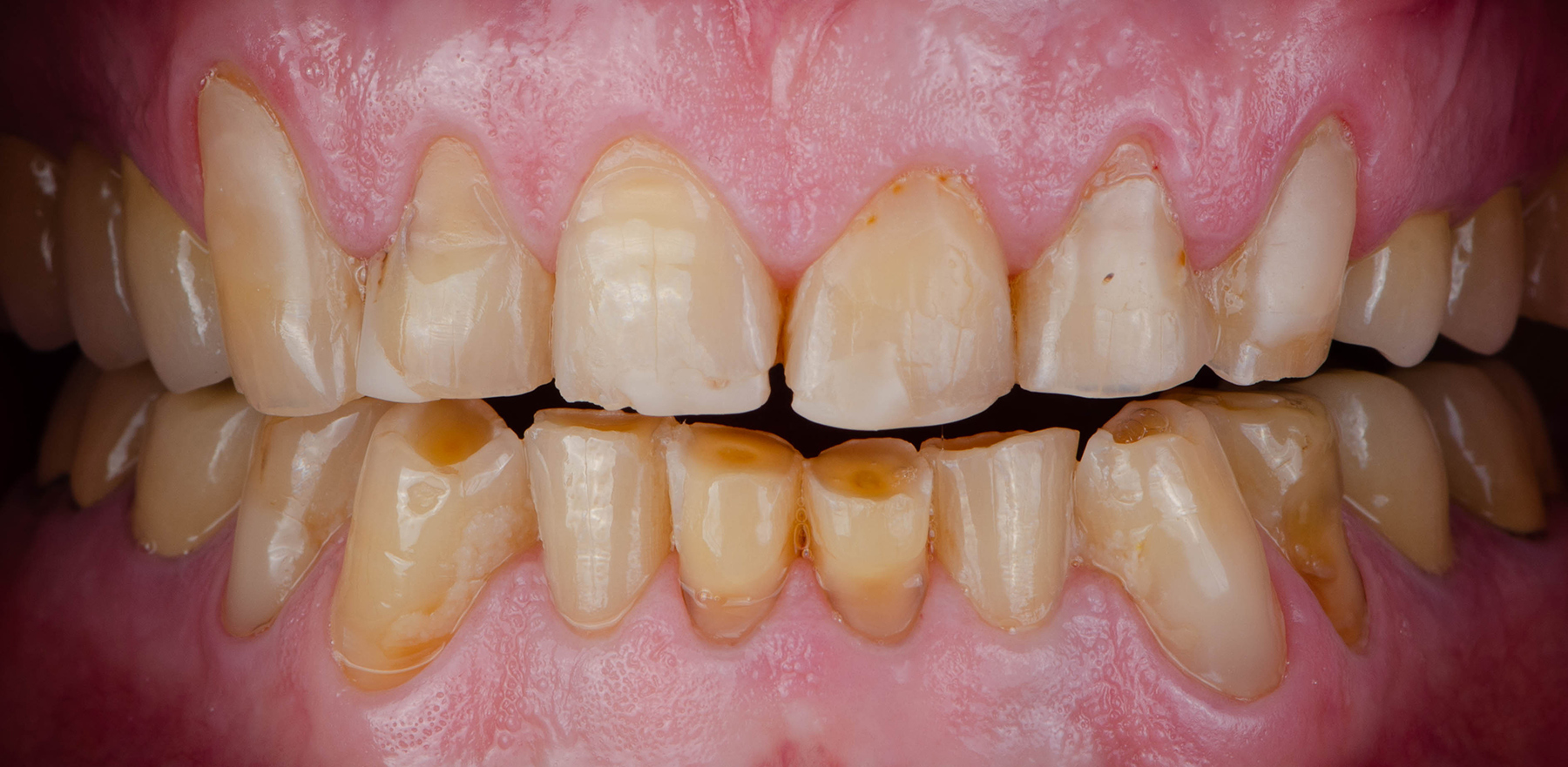
This is the highest-risk category in all-ceramic dentistry. For a confirmed bruxer or a patient with documented parafunction, monolithic zirconia is the only rational choice. Layered ceramic systems fail by progressive chipping at the ceramic-core interface under cyclic load; lithium disilicate risks an outright, non-repairable fracture.
Limited Reduction Cases
When clearance is tight, forcing lithium disilicate leaves you with two bad options: over-contour the crown to reach minimum ceramic thickness, or seat it too thin and accept the fracture risk. High-translucency zirconia is the better compromise here — fabricated at 0.5–0.7 mm, it offers improved translucency over standard zirconias without either of those penalties.
For a confirmed bruxer, there’s only one rational choice: monolithic zirconia.
Implant-Supported Restorations
Implants have no periodontal ligament, so occlusal force travels straight to the crestal bone with no shock absorption. The restoration experiences greater functional stress than it would on a natural tooth, raising the stakes for material choice.
Preparation Design: Where Material Success or Failure Begins
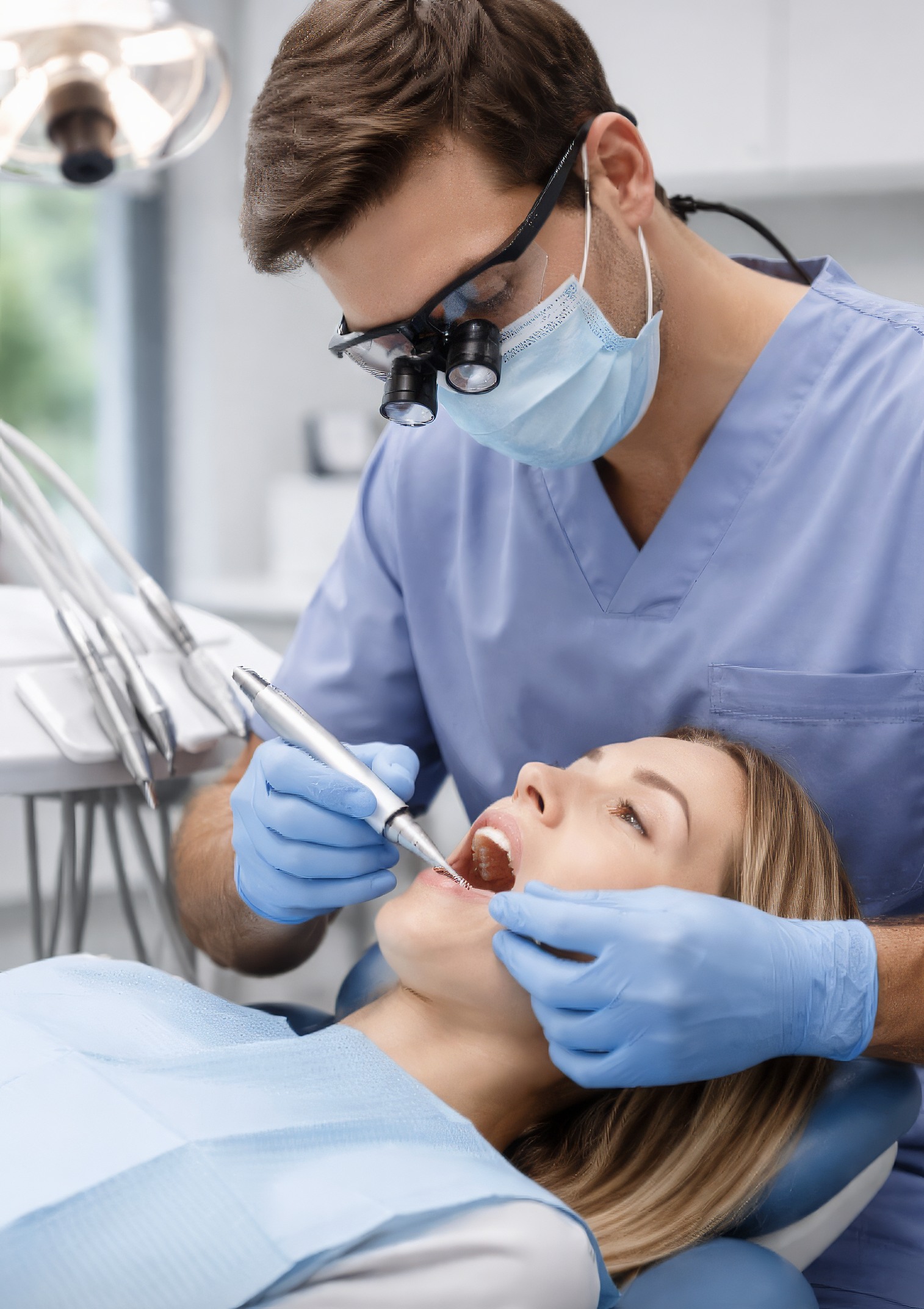
No material can rescue a compromised preparation. The prep either enables everything downstream or constrains it.
Minimum Reduction Requirements
Surgface | Monolithic Zirconia | Lithium Disilicate |
Occlusal / incisal | 1.0–1.5 mm (min 0.7 mm high-strength) | 1.5–2.0 mm minimum |
Facial / buccal | 0.8-1.0 mm | 1.0-1.5 mm |
Lingual / palatal | 0.8–1.0 mm | 1.0–1.5 mm |
Margin depth | 0.3–0.5 mm chamfer | 0.8–1.0 mm shoulder / deep chamfer |
Critical threshold | 0.5 mm (high-strength only) | 0.8 mm — fracture risk increases sharply below |
A generic prescription gives you a generic result. The detail you send is the most direct control you have over the outcome.
FREE TO DOWNLOAD – SUCCESS GUIDES
DOWNLOAD A GUIDE
Margin Design
A knife-edge margin concentrates stress at the thinnest point of the ceramic, and it has no place in any all-ceramic restoration. A chamfer gives zirconia adequate support even at reduced thickness. Glass ceramics need more: a shoulder or deep chamfer provides the broader base of support that keeps the margin zone from fracturing.
Cementation: The Most Overlooked All-Ceramic Failure Point
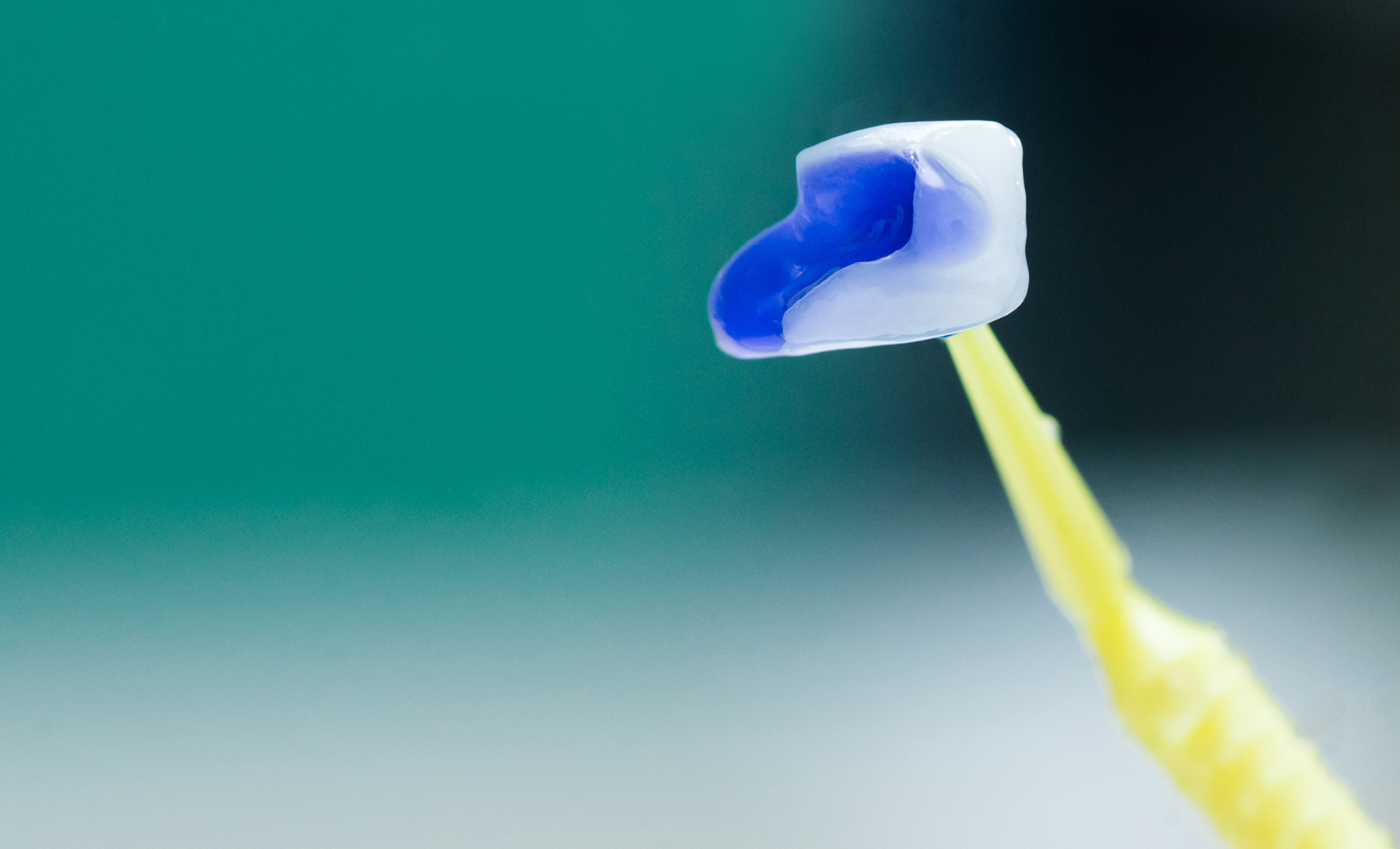
Cementation protocols don’t carry over from one material to the other, and treating them as interchangeable is a leading cause of all-ceramic failure — one that’s almost entirely preventable.
Cementation protocols don’t carry over between materials. Treating them as interchangeable is one of the most preventable causes of failure we see.
Zirconia Cementation Protocol
Lithium Disilicate Cementation Protocol
Glass ionomer under a lithium disilicate crown is a failure waiting to happen. Without adhesive bonding, the crown relies entirely on mechanical retention — and at the ceramic thicknesses esthetic results demand, there’s rarely enough preparation height to provide it. Debonding, followed by fracture, is the predictable end.
Work through the variables in order.
Stop at the first rule that fits.
Where All-Ceramic Crowns Fail and Why
Most all-ceramic failures are both predictable and preventable. From where we sit in the laboratory, they sort into four patterns.
1. Chipping
| Material | Primarily layered zirconia (feldspathic veneer over a coping) |
| Cause | Occlusal overload, inadequate ceramic support from the coping design, or poor occlusal adjustment at delivery |
| Prevention | Choose monolithic zirconia for high-load cases, and verify every occlusal contact at delivery |
2. Fracture
| Material | Most commonly lithium disilicate, in posterior or parafunction cases |
| Cause | Inadequate ceramic thickness, high occlusal load, parafunction, or absent adhesive bonding — any one of them can be enough on its own |
| Prevention | Default to zirconia the moment any posterior risk factor appears, and confirm reduction at try-in before cementing |
3. Debonding
| Material | Primarily lithium disilicate; occasionally zirconia in short-prep cases without MDP primer |
| Cause | Missing or incomplete surface treatment (no HF etch, no silane), contamination before seating, or a non-adhesive cement |
| Prevention | Follow the adhesive bonding protocol strictly, inspect the crown before seating to confirm etching, and use a dual-cure adhesive system |
4. Esthetic remake
| Material | Standard 3Y-TZP zirconia used in the anterior esthetic zone |
| Cause | The wrong material for the esthetic demand, or optical requirements that never made it to the dental lab |
| Prevention | Use lithium disilicate or high-translucency 5Y-TZP in anterior cases, and send shade photos to the dental lab |
A generic prescription gives you a generic result. The detail you send is the most direct control you have over the outcome.
Dental Lab Communication: Good Crown vs. Predictable Crown
Material selection works best as a collaboration rather than an assumption — and that depends on the lab having the full clinical picture.
When you send a case, include:
When we understand the functional environment a crown is heading into, we can tune every part of its design — contact anatomy, cusp height, occlusal morphology, ceramic thickness distribution — to that specific case. A generic prescription gives you a generic result. The detail you send us is the most direct control you have over long-term predictability.
Quick-Reference Decision Framework
FAQ
Predictability in all-ceramic restorations isn’t about picking the objectively “best” material. It’s about picking the one that best fits the specific clinical environment in front of you. Zirconia and lithium disilicate are both excellent when they’re indicated correctly — and both fail predictably when they’re not.
The most durable crowns we produce at Burbank Dental Lab aren’t necessarily made from the most sophisticated material. They start with an accurate read of the clinical environment, communicate clearly between the clinician and laboratory, and use materials chosen to reduce risk — not to force an ideal result in unfavorable conditions.
Have a Complex Case
Burbank Dental Lab’s technical team is glad to consult on material selection, preparation, and case planning before you start — we consider that conversation part of the service. Reach us at burbankdental.com or call us at (800) 336-3053.


 Previous Post: