



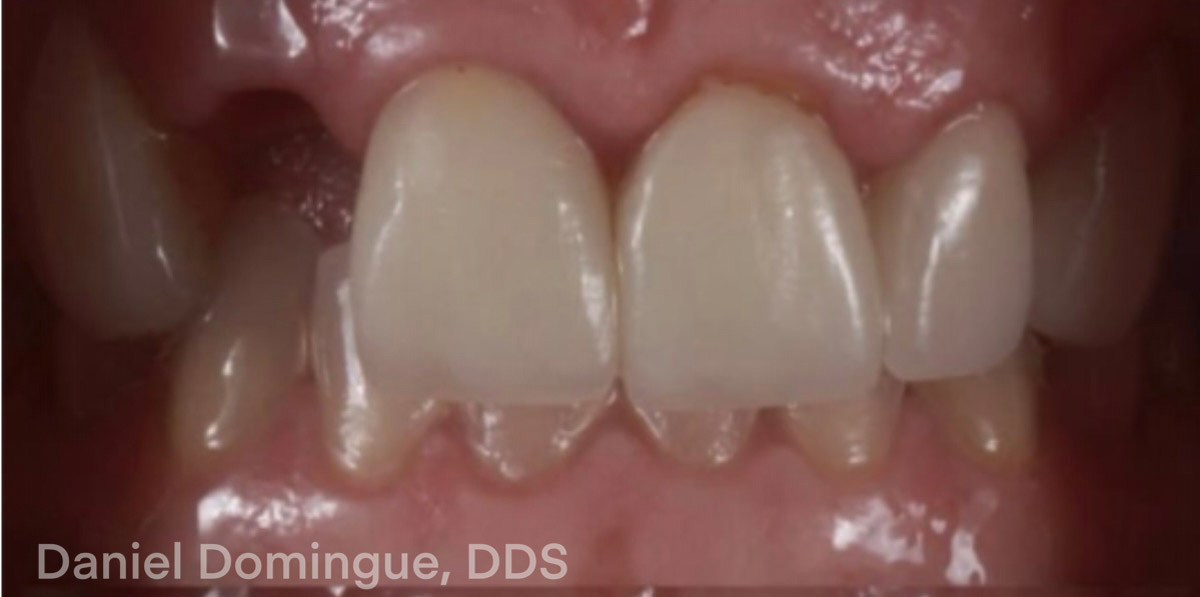

“Replacing a single missing tooth isn’t a question of which restoration is best. It is a question of which restoration best fits the case.”
Replacing a single missing tooth isn’t really a question of which restoration is best. It is a question of which restoration best fits the case.
That distinction matters. You may restore a single missing anterior tooth with an implant-supported crown, a resin-bonded bridge, a conventional fixed bridge, or a provisional solution used during treatment sequencing. Each option can be appropriate. Each can also be the wrong choice when biologic, esthetic, functional, or restorative conditions don’t support it.
That is why you should plan single-tooth replacement backward from the treatment goal. The dentist is not just replacing a tooth. The dentist chooses how much intervention is justified, how much risk is acceptable, what tissue and occlusal result is realistic, and whether the case calls for a provisional, transitional, or more definitive solution.
In many anterior cases, the Maryland bridge becomes clinically useful. It isn’t the answer for every missing tooth. But in the right case, it can be one of the most conservative fixed options available.

The real treatment planning question behind a single missing tooth
The best way to replace one missing tooth depends on more than the edentulous space itself. The decision depends on the site, adjacent teeth, occlusal environment, esthetic demand, and the patient’s treatment priorities.
A useful way to think about it is this:
That framework is more useful than asking whether one category is universally better than another.
“The dentist is not just replacing a tooth. The dentist is choosing how much intervention is justified and how much risk is acceptable.”
The main options for replacing a single missing tooth
Implant-supported crown
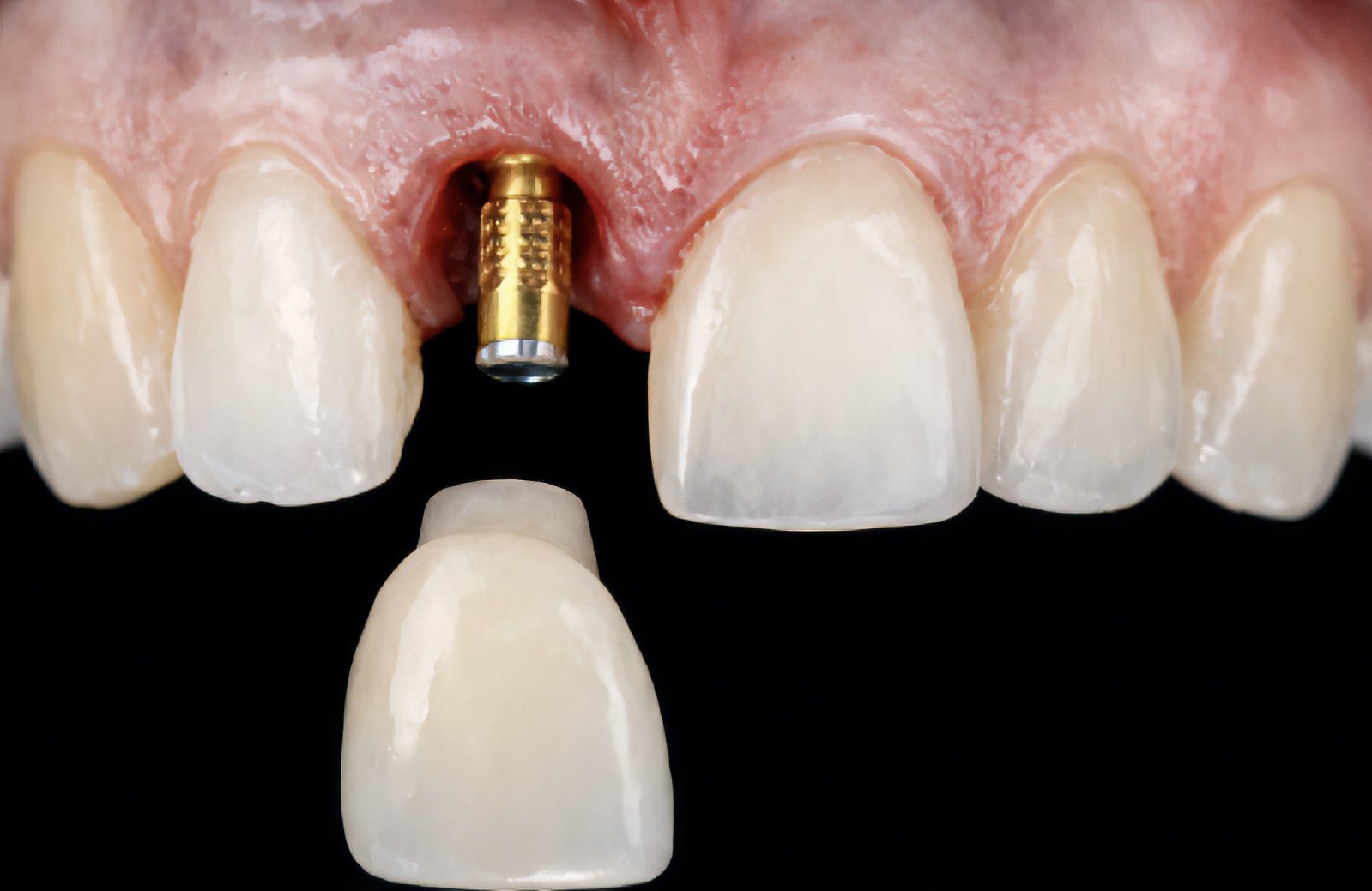
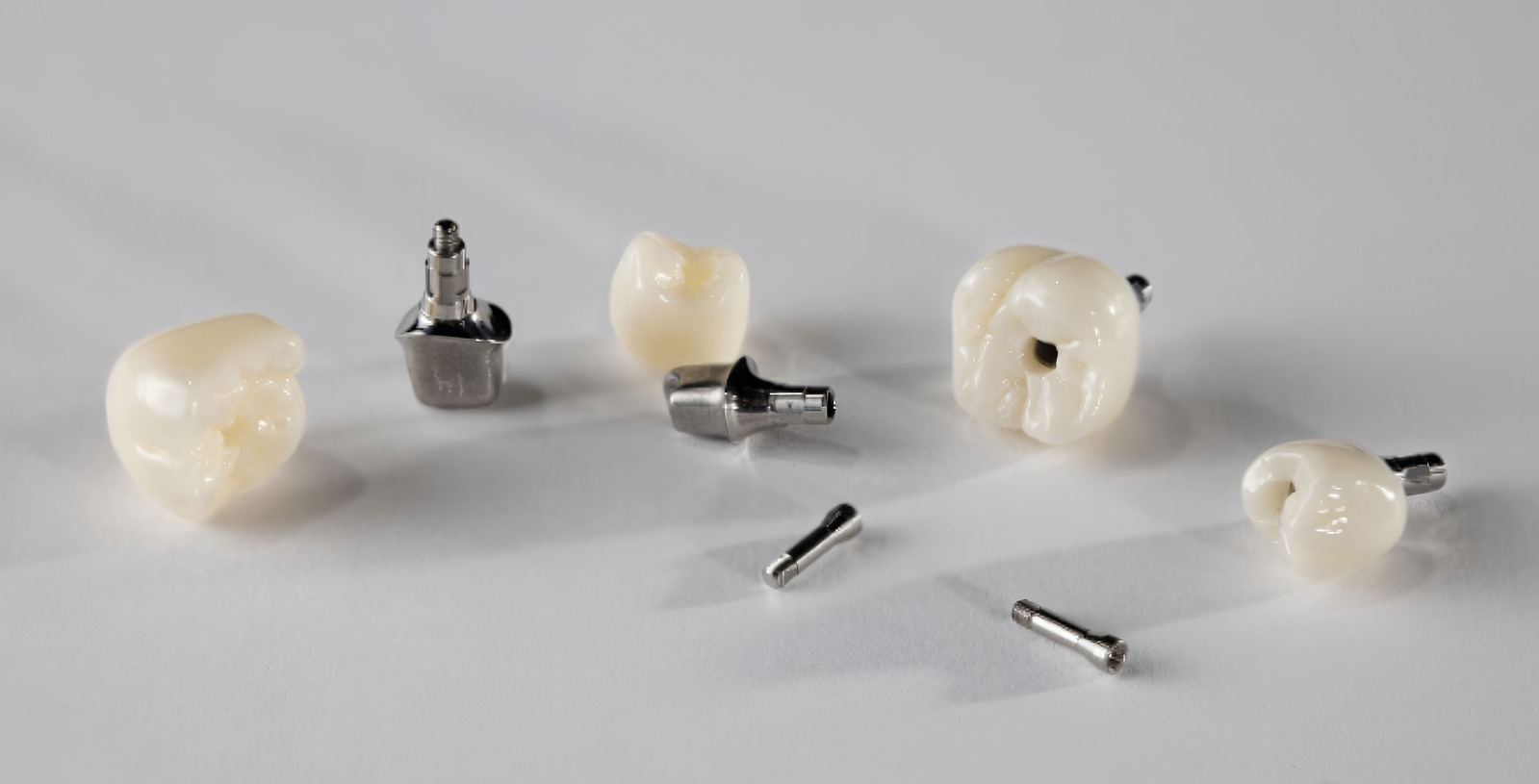
An implant-supported crown is often the most definitive option when the site can support restorative-driven implant placement, and the patient accepts the surgical and time requirements. It preserves adjacent teeth and can provide an excellent long-term solution when implant position, restorative space, and soft tissue management are well controlled.
Resin-bonded bridge or Maryland bridge
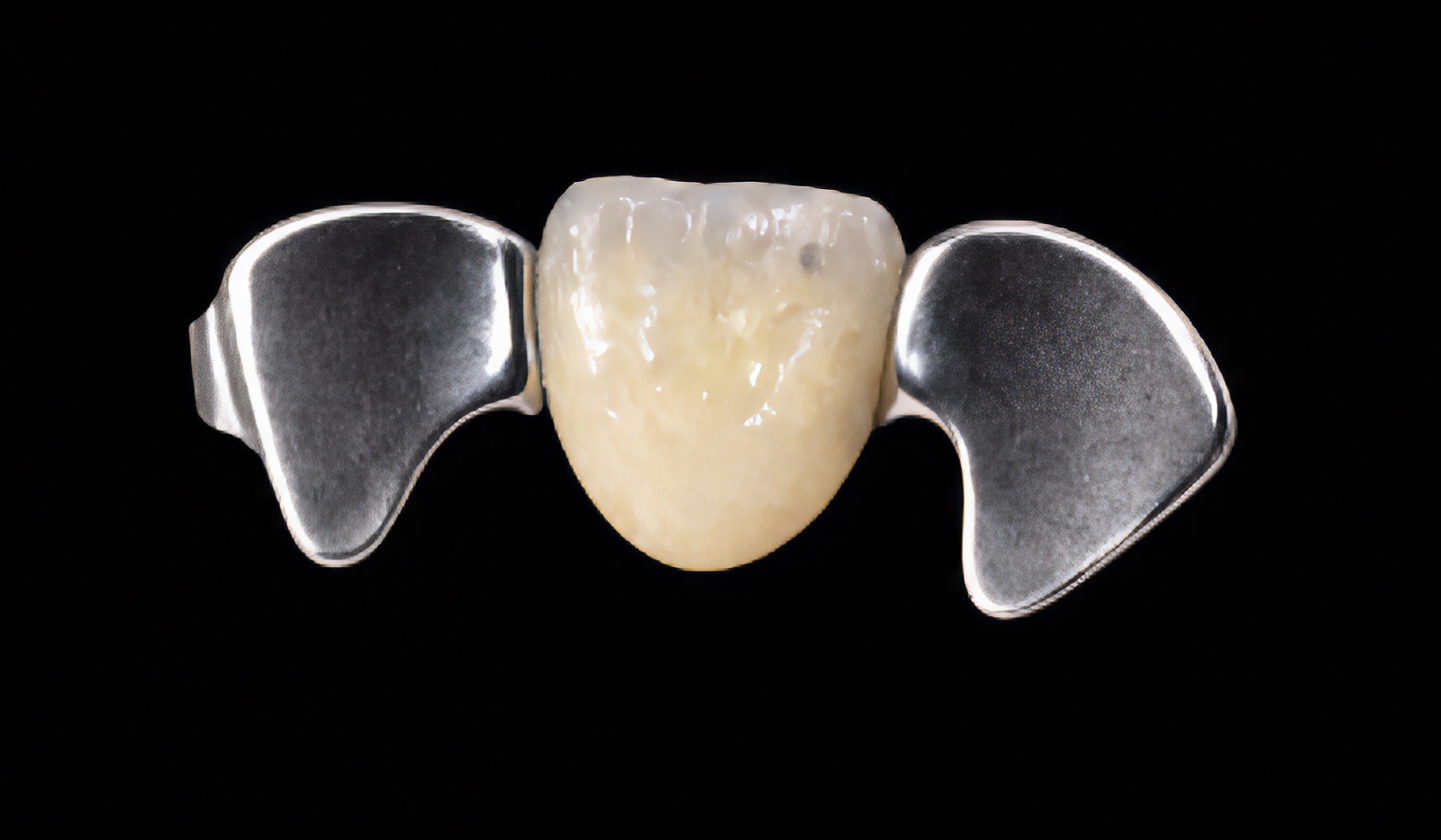
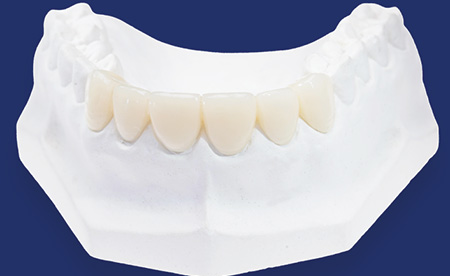
A Maryland bridge is a bonded fixed restoration that uses a retainer on one or more adjacent teeth to support a pontic. In contemporary practice, it is especially relevant for anterior single-tooth replacement when the clinician wants to preserve enamel, avoid preparation for full-coverage retainers, delay implant therapy, or use a conservative fixed approach rather than a removable temporary.
Conventional fixed bridge
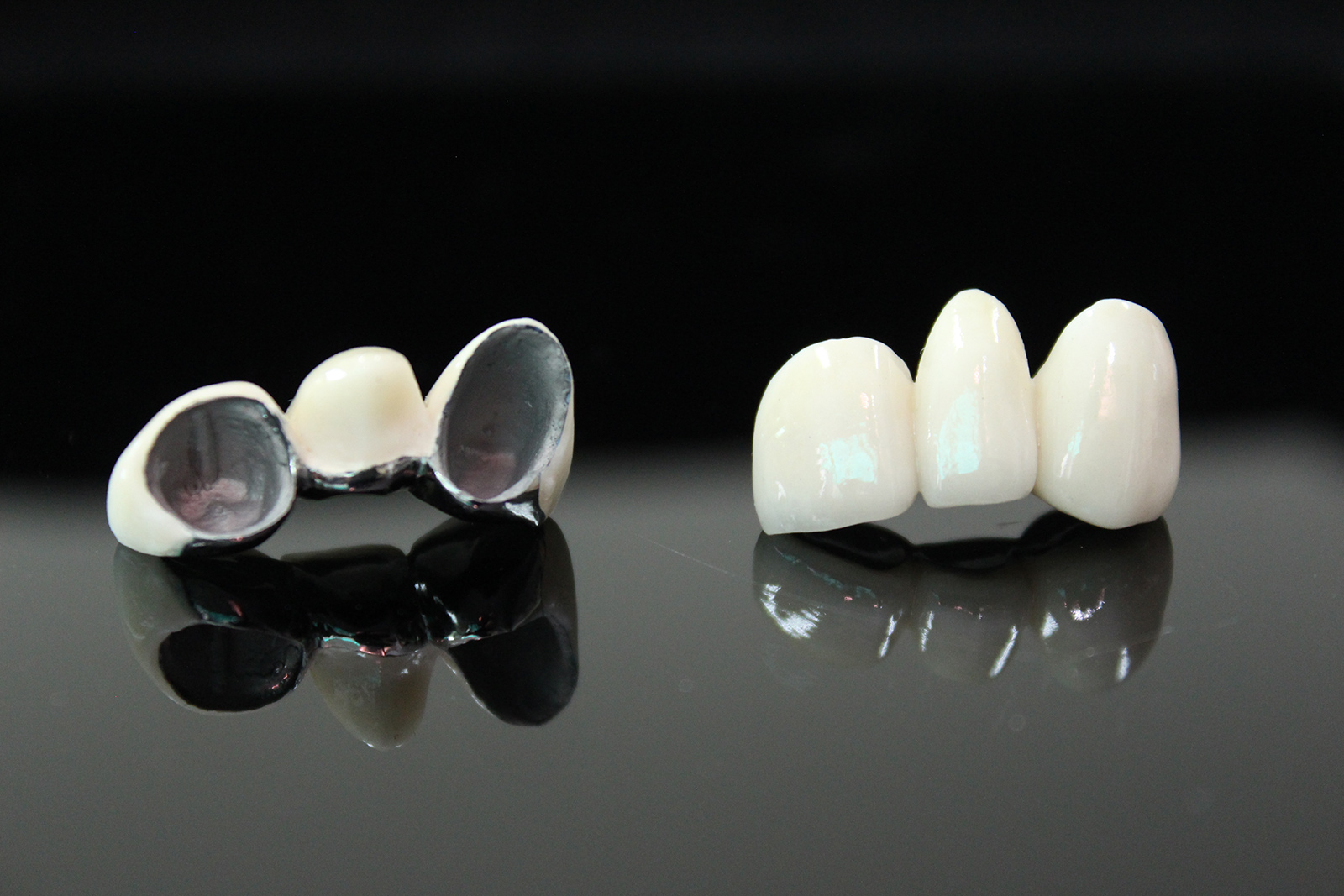
A conventional fixed bridge may be a better choice when adjacent teeth already need crowns, have large restorations, have compromised enamel for bonding, or are included in a broader restorative plan. It is less conservative than a bonded design, but in the right case, it solves more than one problem at once.
Removable or other provisional options
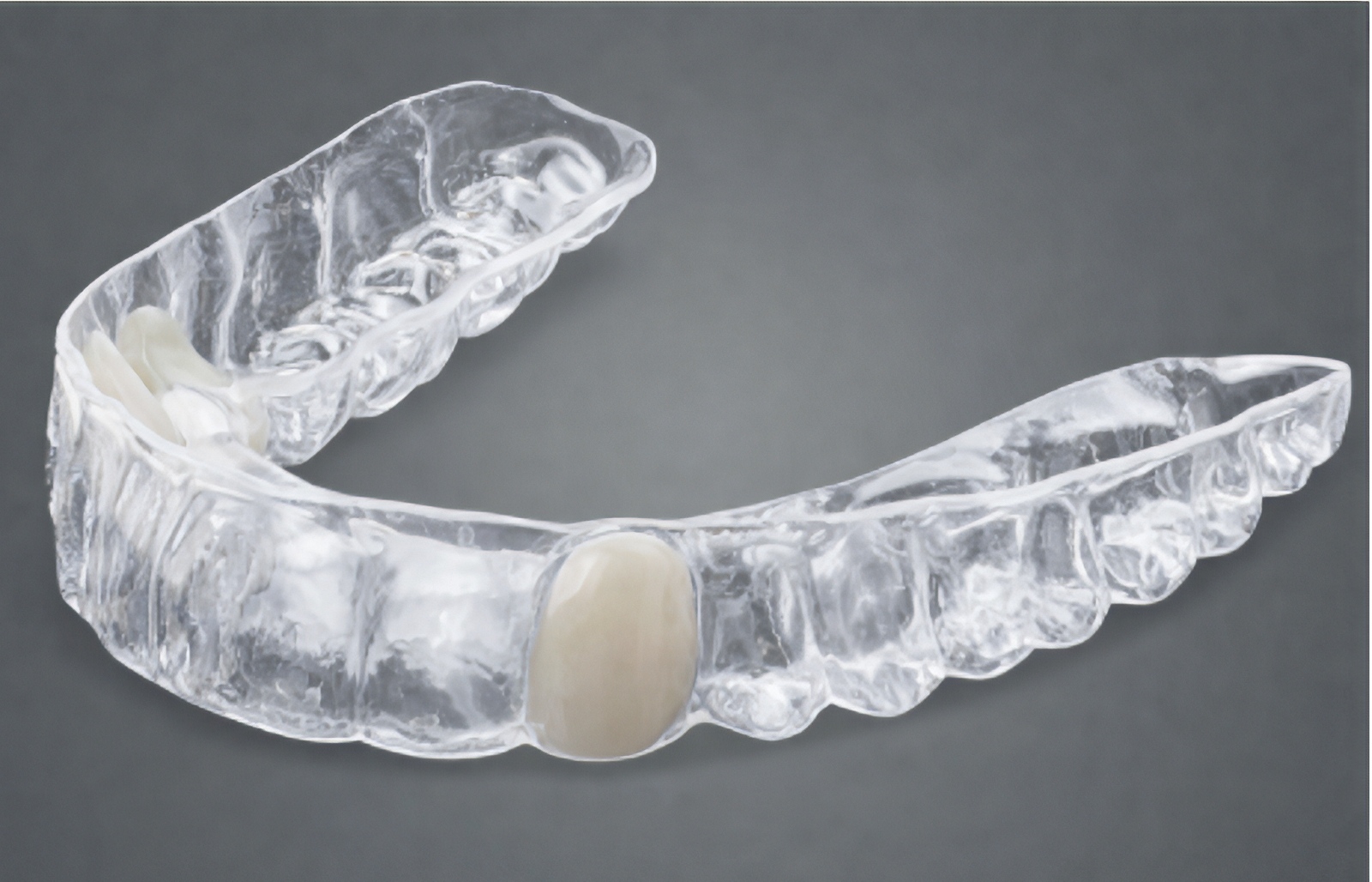
Transitional options still matter. An Essix-based solution, flipper, bonded provisional, or lab-fabricated provisional may be the right answer during healing, site development, orthodontic movement, or implant integration. Not every single tooth replacement case should move directly to its final restoration.
FREE TO DOWNLOAD – SUCCESS GUIDES
DOWNLOAD A GUIDE
What to evaluate before choosing a restoration
When a Maryland bridge is not the ideal option
Maryland bridges aren’t ideal for every tooth, and forcing them into the wrong indication usually leads to disappointment rather than true conservatism.
Situations that make a Maryland bridge less favorable include:
Posterior use deserves special caution. A resin-bonded bridge can work well in selected cases, but single tooth replacement in the posterior segment usually places greater demands on retention, connector strength, and occlusal durability. In practical terms, Maryland bridge planning is most predictable when it is selective, not expansive.
Single wing versus two wing Maryland bridge design considerations
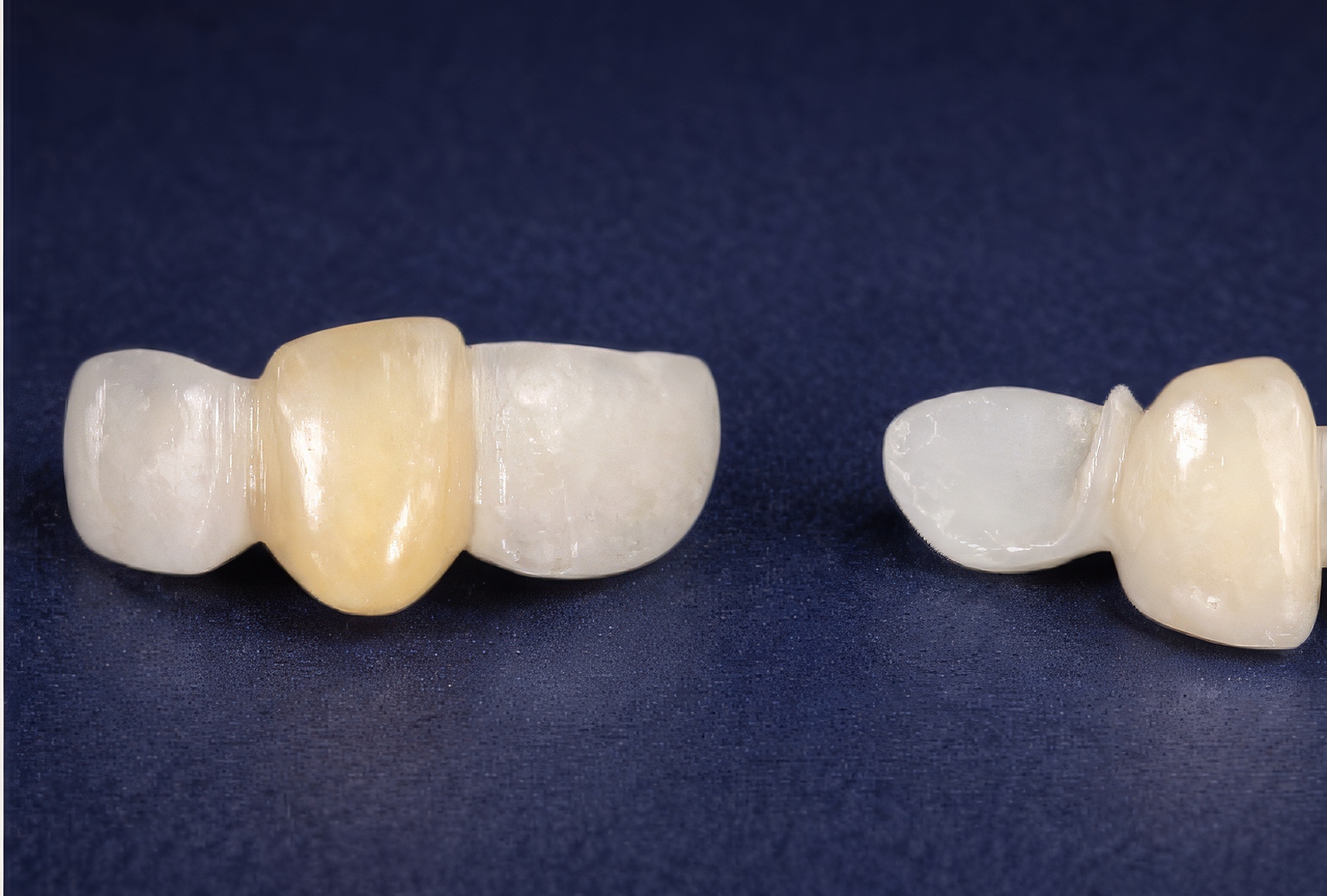
One of the most important decisions in Maryland bridge planning is whether the restoration should use one retainer or two.
Traditional two-wing designs have a long history and still have a place in selected situations. But for many anterior single-pontic cases, a single-wing cantilever design is often preferred.
The reason is practical, not theoretical. When two abutment teeth are bonded together, they do not always move the same way under function. Small differences in tooth movement can place stress on the retainers and contribute to debonding. A single wing design can reduce that problem by localizing support to one carefully selected abutment.
That does not mean single wing is always superior. Case design is still case-dependent. Pontic size, available enamel, clearance, connector design, occlusion, and clinician preference all matter. But in many anterior single-tooth cases, the single-wing cantilever approach deserves to be the first design considered, not the exception.
A key planning takeaway: In many anterior single-pontic cases, a single-wing Maryland bridge may offer a more favorable biomechanical design than a traditional two-wing approach, provided abutment selection and occlusal management are sound.
“In many anterior single-pontic cases, the single-wing cantilever approach deserves to be the first design considered, not the exception.”
Material, prep, and bonding considerations
Material should follow the indication
Material selection for a Maryland bridge should be driven by the case requirements, not by habit.
Metal retainers remain useful when space is limited, and the treatment goal favors minimal reduction. They can support very conservative preparation designs and are often practical in provisional or transitional situations.
Ceramic-based bonded options may offer esthetic advantages, but they usually require more careful management of thickness, connector dimensions, and available space. They may be appropriate in the right case, but they are less forgiving when clearance is tight.
Zirconia may seem attractive because of strength, but strength alone does not solve the real challenge in a resin-bonded bridge. Success depends heavily on the quality of the bonded interface, the design, and the functional environment.
Preparation should be conservative but intentional
The question is not whether to prep or avoid prep at all costs. The question is how much preparation is needed to improve restoration predictability without losing the conservative advantage that made the bonded option attractive in the first place.
In many cases, preparation is used to:
Excessive preparation defeats the purpose of a Maryland bridge. But too little preparation can also be a mistake when the restoration lacks the resistance form needed for its intended service period.
Enamel availability matters
A Maryland bridge works best when it bonds to favorable enamel. As enamel becomes more limited or more interrupted by restorations, the clinician should become more cautious.
Many underperforming bonded bridge cases are less a concept problem than a substrate problem.
Occlusal management is part of the design
The restoration is not truly designed until the load is addressed. Pontic contact, excursive contact, deep overlap, and abutment loading all affect longevity. A well-made bonded bridge can still fail early if the occlusal scheme was never favorable to begin with.
“Many underperforming bonded bridge cases are less a concept problem than a substrate problem.”
Maryland bridge use in provisional, transitional, and selected longer-term situations
Maryland bridges remain clinically useful because they are not limited to one treatment horizon.
Provisional use
A Maryland bridge can be an excellent fixed provisional during implant integration, orthodontic movement, soft tissue development, or site healing. In that role, it often provides a more stable and more esthetic solution than a removable temporary.
Transitional use
Some cases aren’t ready for a final implant-supported crown, but they still need a restoration that functions and looks acceptable for more than a brief period. In those situations, a Maryland bridge may serve as a practical intermediate restoration that preserves future options.
Transitional use
Some cases aren’t ready for a final implant-supported crown, but they still need a restoration that functions and looks acceptable for more than a brief period. In those situations, a Maryland bridge may serve as a practical intermediate restoration that preserves future options.
Selected longer-term use
In the right anterior case, a Maryland bridge may also function as a longer-term restoration rather than merely a bridge to something else. The key is not to make that promise universally. Longer-term success depends on careful case selection, dependable bonding conditions, thoughtful design, and disciplined occlusal control.
When an implant-supported crown may be the better choice
An implant-supported crown may be the better choice when the patient wants a definitive standalone replacement, and the site can support restoratively driven treatment.
That often includes cases where:
Implants are often treated as the default answer to a single missing tooth, but that is too simplistic. Implant therapy works best when the implant position, soft tissue management, and restorative plan align from the start. When those conditions aren’t in place yet, a conservative bonded or provisional solution may be the better decision at that stage of treatment.
“Once adjacent teeth already need treatment, the comparison changes. The question becomes which restoration best solves the overall case.”
When a conventional fixed bridge may be more appropriate
A conventional fixed bridge is often the right choice when the case is no longer conservative.
If the adjacent teeth already need crowns, have large restorations, need contour correction, require shade correction, or are otherwise part of a larger restorative plan, a conventional bridge may be more rational than trying to preserve a bonded approach at all costs.
A fixed bridge may also be more appropriate when
The key point is that conventional bridges are not necessarily more aggressive. Once adjacent teeth already need treatment, the comparison changes. The question becomes which restoration best solves the overall case, not which one is most conservative in isolation.
Common reasons single tooth restorations fail or disappoint
Single-tooth restorations often disappoint because the treatment plan was driven by the restoration category rather than the case’s demands.
Common reasons include:
Many failures are planning failures before they are material or lab failures.
The Role of the Dental Lab in Provisional Success
Before finalizing a single tooth replacement plan, it helps to ask:
Conclusion
The best single tooth replacement option is the one that fits the case, not the one that sounds most definitive on paper.
Implants, Maryland bridges, conventional fixed bridges, and provisional options all have a role. Treatment goals, esthetic demands, bonding conditions, occlusion, site readiness, and the condition of the adjacent teeth should guide the decision.
Maryland bridges deserve a broader and more practical place in that conversation. In selected anterior cases, they can provide a conservative fixed solution with minimal sacrifice of healthy tooth structure. In other cases, an implant-supported crown or a conventional fixed bridge will be more appropriate.
The real planning question behind a single missing tooth is not which tooth restoration is best, but which restoration is right for this patient, this site, and this point in treatment.
FAQ



 Previous Post:
