


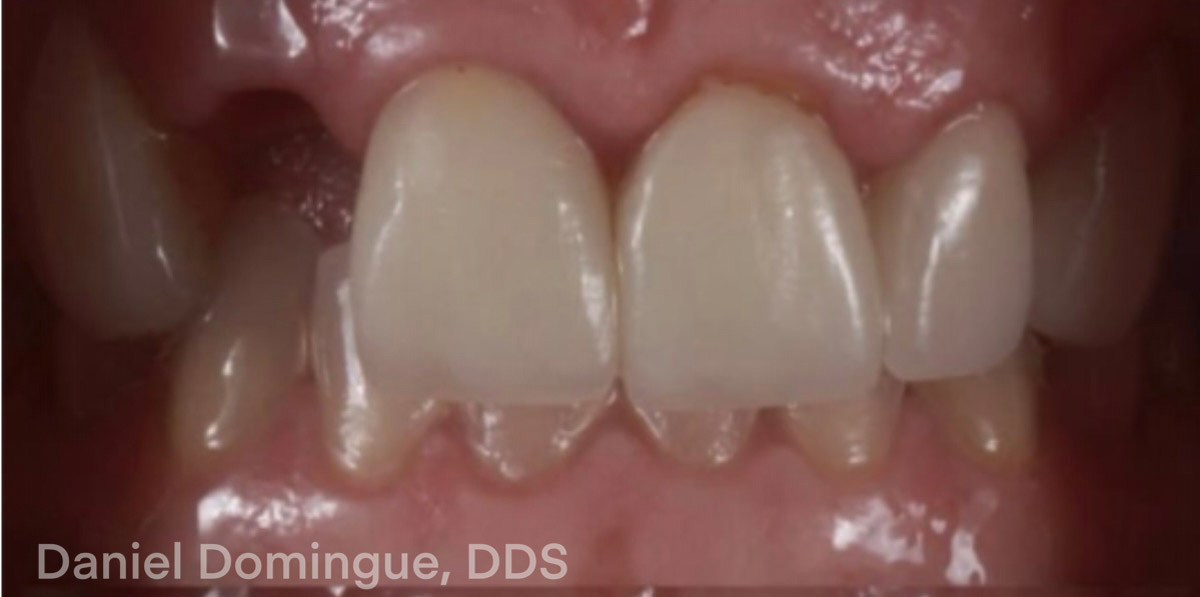


“A well-designed provisional is not a placeholder. It is the first draft of the final restoration — tested in the mouth, not on the bench.”
Provisional restorations play a critical role in contemporary restorative and implant dentistry. Far beyond short-term placeholders, well-designed provisionals let clinicians evaluate function, esthetics, and patient comfort before committing to definitive restorations. When used intentionally, materials such as Duratemp provisionals become diagnostic tools that support clinical decision-making, interdisciplinary communication, and predictable outcomes.
At Burbank Dental Lab, provisionals are integrated into a broader digital workflow that emphasizes accuracy, collaboration, and validation at every stage of treatment. This approach reflects the dental lab’s evolving role as a technical and clinical partner, not simply a manufacturer of final restorations.

The Clinical Role of Provisionals in Restorative Dentistry
Provisional restorations, often called temporary crowns or bridges, protect prepared teeth and maintain function during the interim phase of treatment. Clinically, their value extends well beyond coverage and protection.
Provisionals allow the dentist to test occlusal schemes, assess phonetics, and evaluate esthetic parameters under real functional conditions. They also help identify issues with vertical dimension, interproximal contacts, and soft tissue response before finalizing these variables in ceramic or implant-supported restorations.
When provisional restorations are fabricated with intention and precision, they reduce the risk of remakes, chairside adjustments, and patient dissatisfaction at delivery of the final prosthesis.
Why Duratemp Provisionals Are Used in Modern Workflows
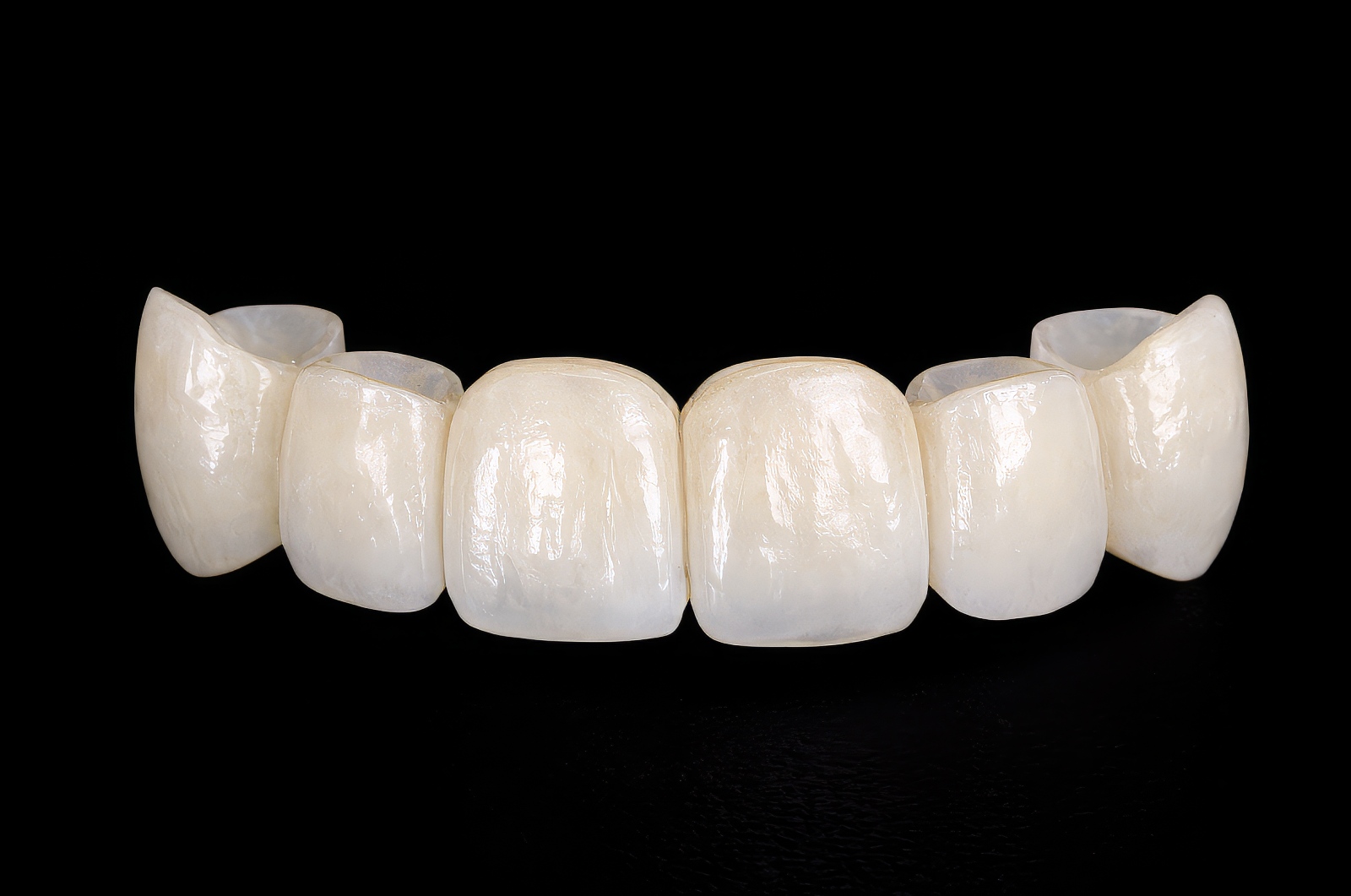
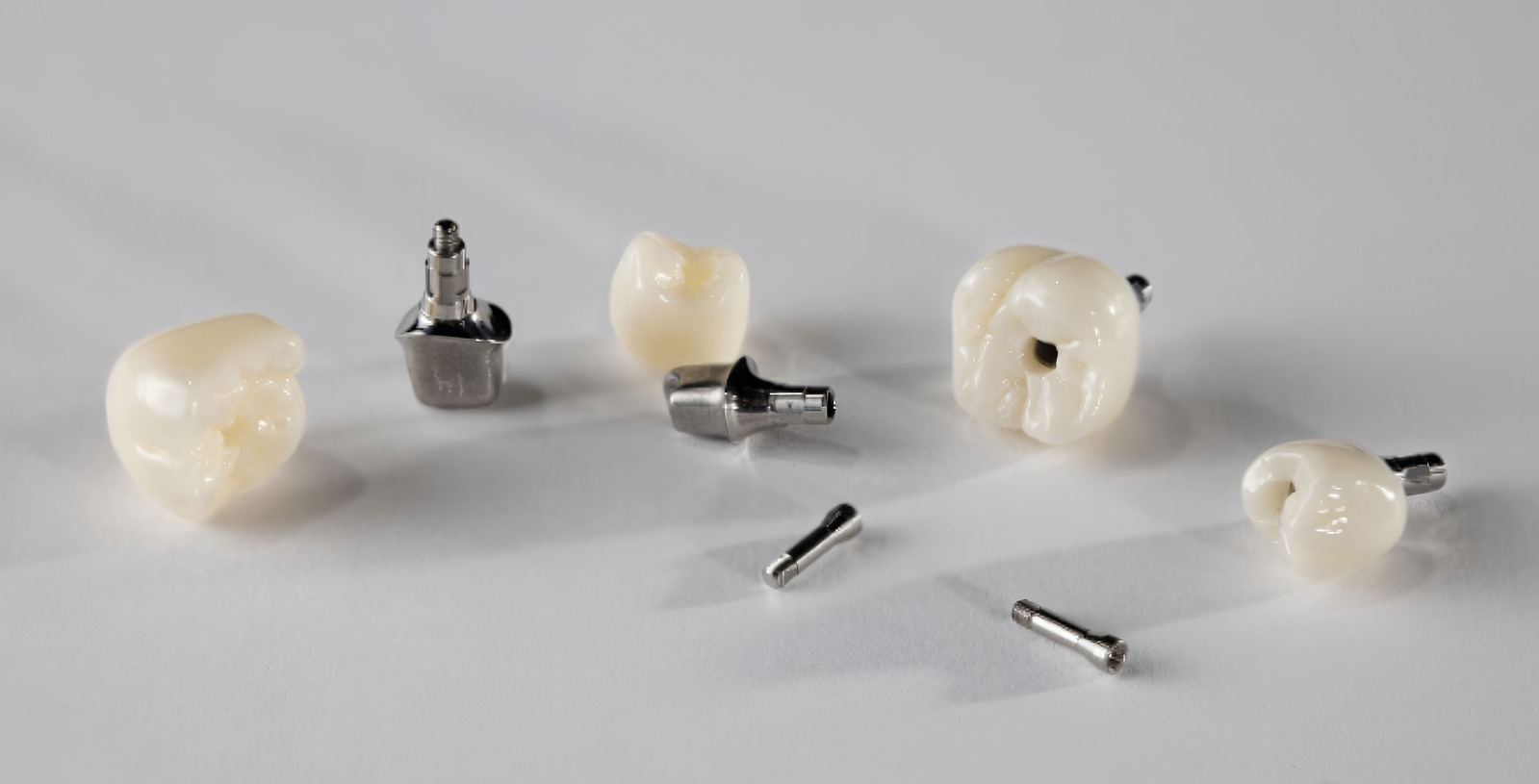
Clinicians commonly select Duratemp provisional material for its balance of strength, marginal integrity, and handling characteristics for multi-unit and extended provisionalization. In both fixed restorative and implant cases, it offers sufficient durability for diagnostic wear while maintaining the adaptability required during iterative treatment phases.
In a modern workflow, Duratemp provisionals are not treated as disposable temporaries. Instead, they serve as transitional restorations that inform the final prosthesis design. Chairside adjustments to contour, occlusion, or esthetics can be captured digitally and transferred to the lab, reducing guesswork during final fabrication.
“Occlusion observed over weeks of real function tells you more than any single appointment can.”
FREE TO DOWNLOAD – SUCCESS GUIDES
DOWNLOAD A GUIDE
Provisionals as Diagnostic and Planning Tools
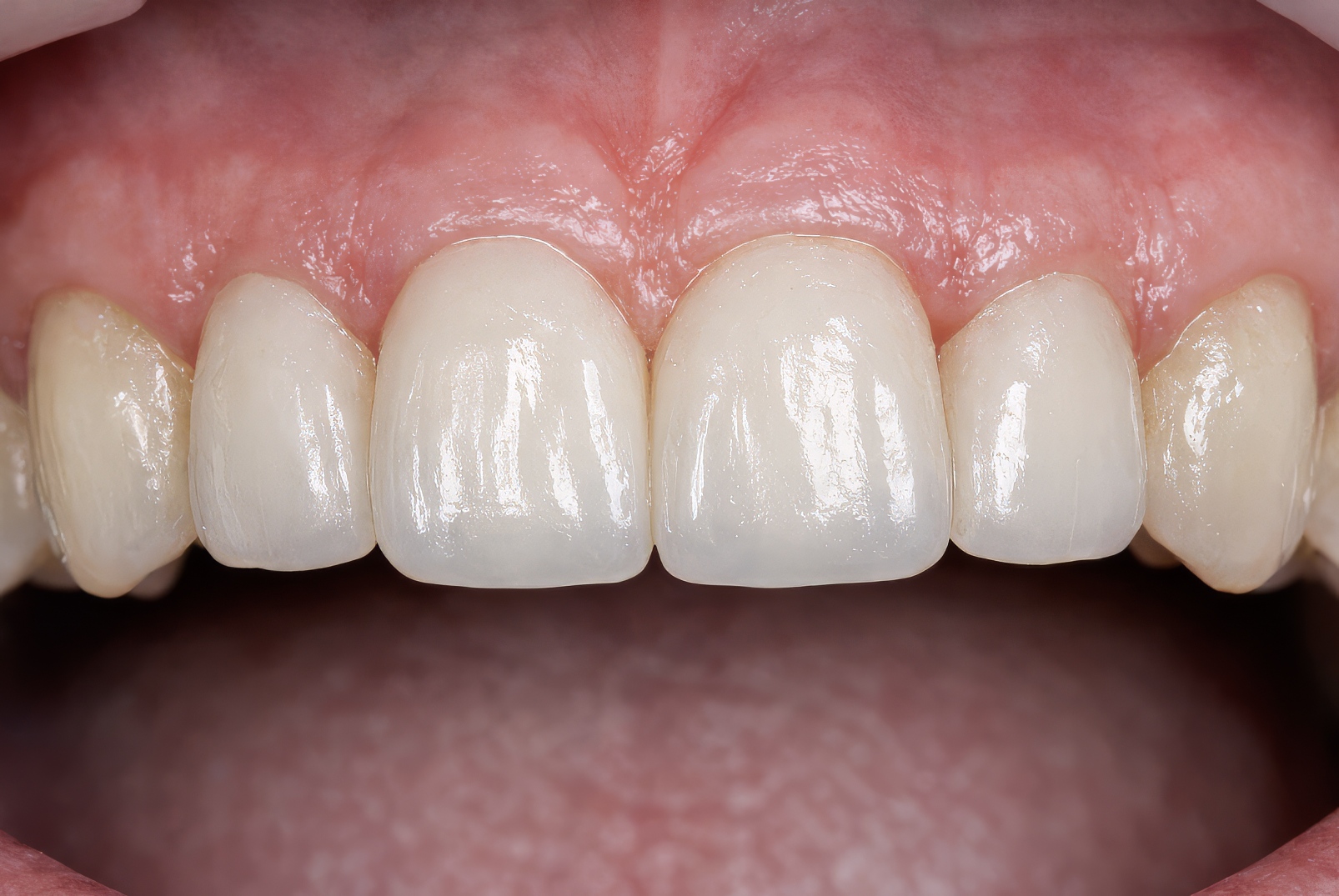
Margin accuracy directly affects how well a restoration seats and seals at the tooth interface. During the digital workflow, dental laboratories must identify the preparation margin inside CAD software before designing the restoration.
This process is called margin detection.
Technicians examine the digital scan data and trace the finish line around the preparation. The CAD software then uses that margin line to generate the restoration design.
If the margin is unclear in the scan data, several problems can occur:
Are Digital Impressions More Accurate Than Traditional Impressions for Crown Margins?
Occlusal Evaluation
Provisional restorations provide a functional environment where you can observe occlusion over time rather than assess it in a single appointment. This is particularly valuable in full-arch or reorganized occlusal cases, where muscle adaptation and patient comfort must be evaluated under normal function.
Wear patterns, interferences, and patient-reported symptoms can be identified and addressed at the provisional stage. These findings guide refinement of the occlusal scheme prior to final milling or layering.
Phonetics and Function
Speech patterns, especially fricative and sibilant sounds, are influenced by incisal edge position and tooth length. Provisionals let clinicians assess phonetics in daily use rather than relying solely on static measurements or diagnostic wax-ups.
Subtle adjustments to anterior tooth position made during the provisional phase can significantly improve speech comfort and patient confidence.
Esthetic Testing and Patient Approval
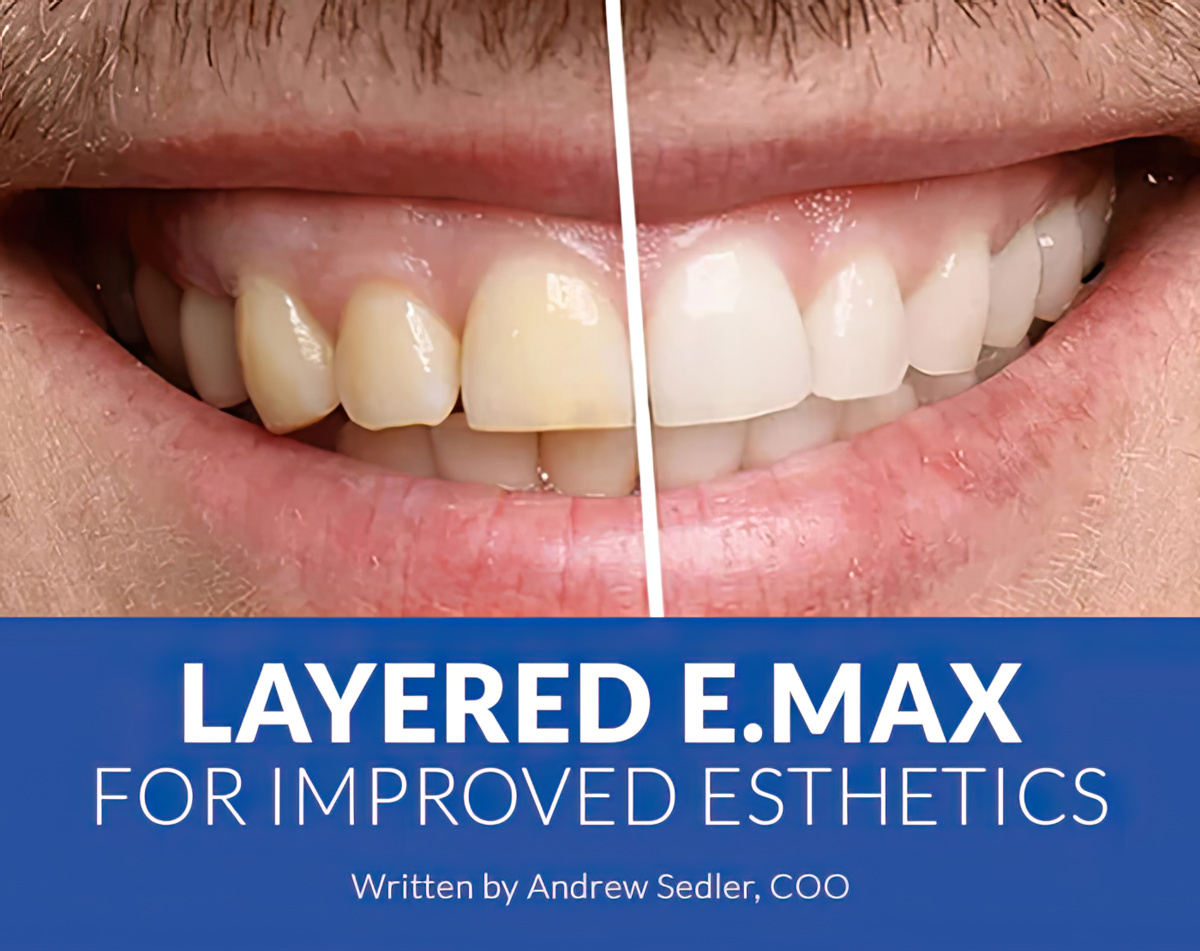
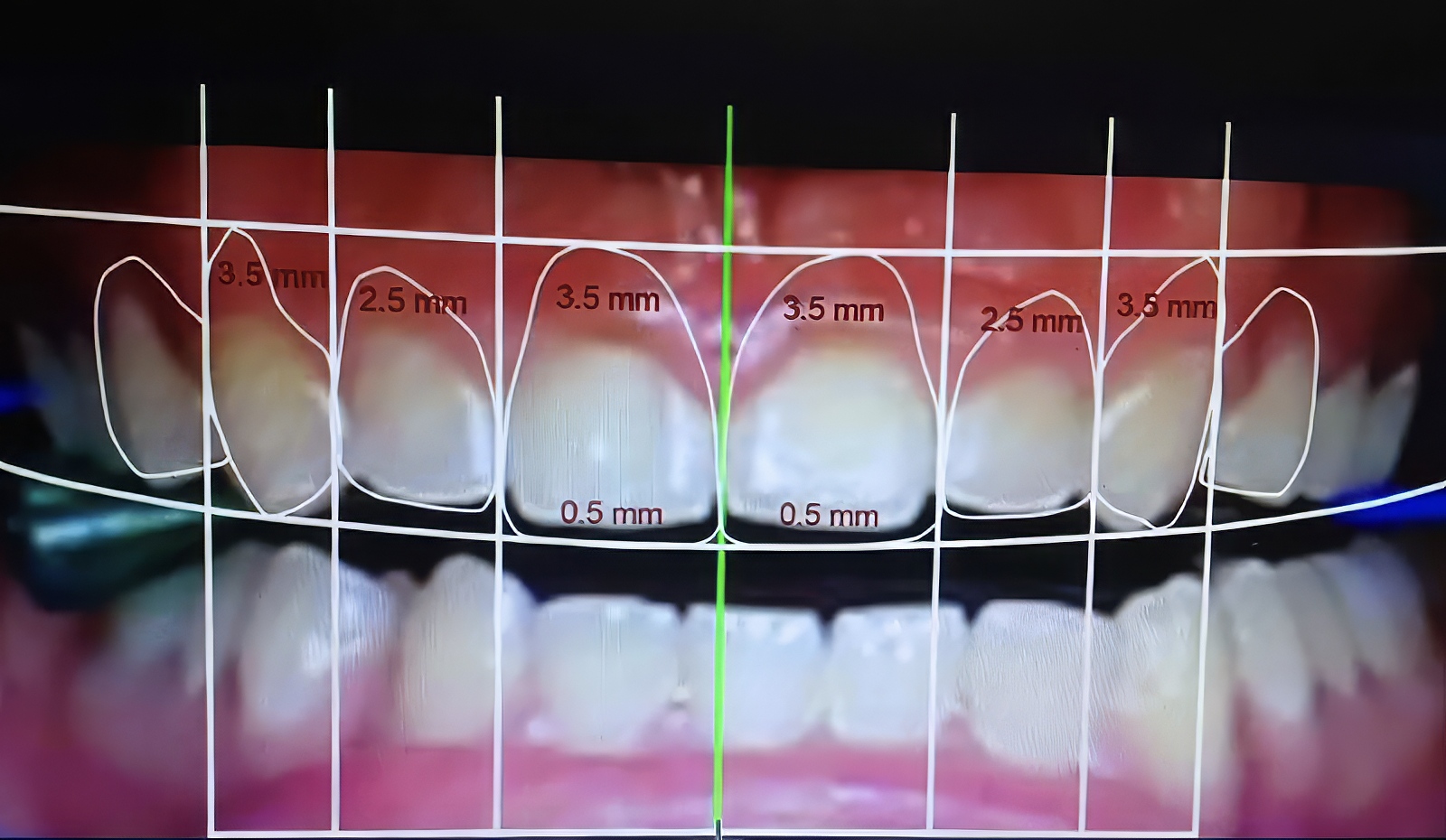
Patients often struggle to visualize final outcomes based on models or digital renderings alone. Provisionals provide a tangible reference that patients can see, feel, and evaluate over time.
Feedback gathered during this phase helps align clinical objectives with patient expectations. Clinicians can validate adjustments to midline, smile arc, or tooth proportions before selecting final materials, minimizing last-minute changes.
“Patients can’t approve what they can’t see. A provisional gives them something to live with before anything is final.”
Integration with Digital Dentistry Workflows
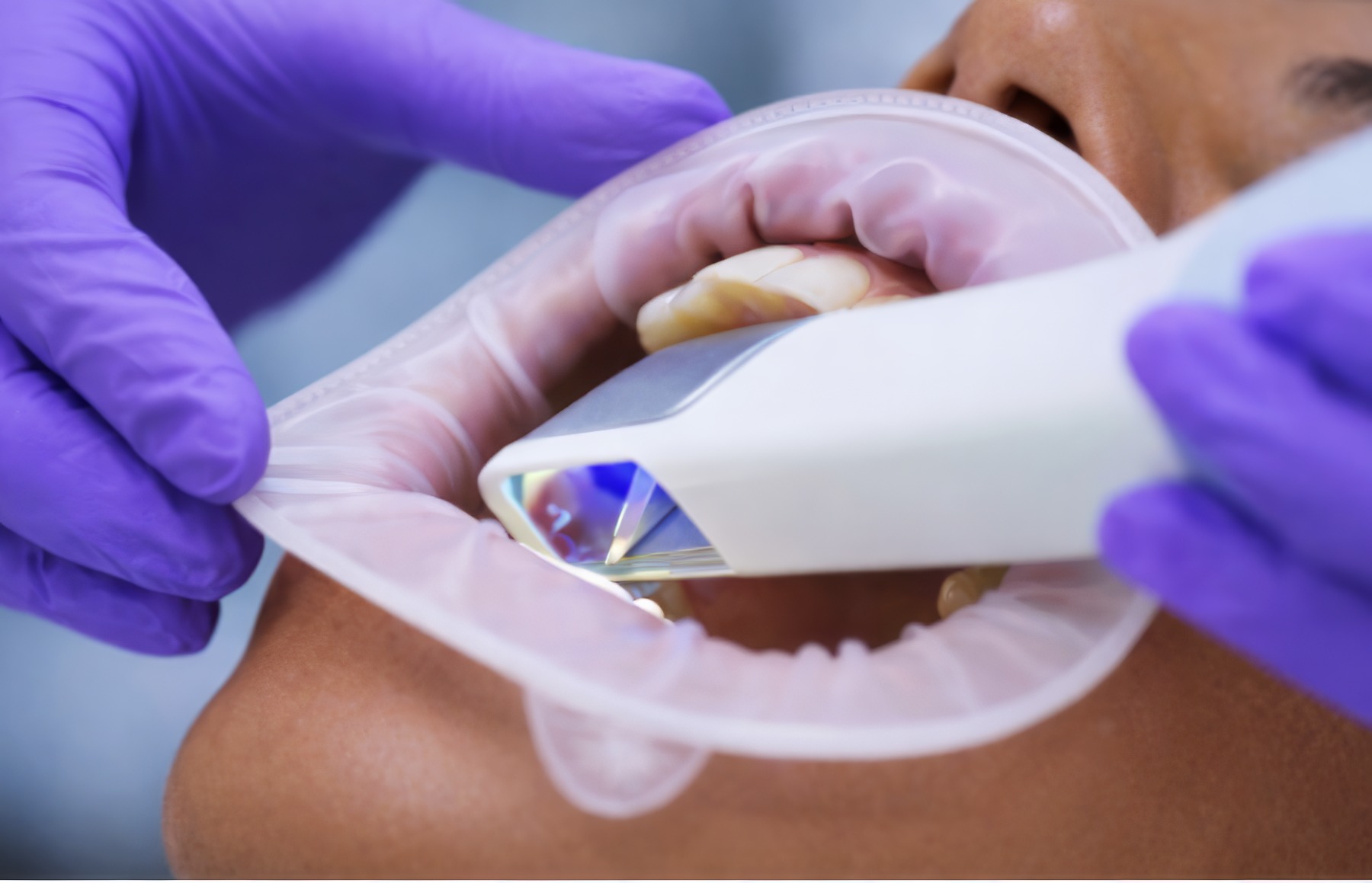
In a digitally driven laboratory environment, provisionals are closely linked to CAD/CAM design and manufacturing processes. Digital impressions, intraoral scans, and bite records enable precise, consistent design of provisional restorations.
When chairside changes are made, updated scans of the adjusted provisionals can be submitted to the lab. These scans become direct references for the final restoration design, preserving the functional and esthetic decisions validated during the provisional phase.
This closed-loop workflow strengthens dentist-lab collaboration by ensuring clinical intent translates accurately into the definitive prosthesis.
“Scan the adjusted provisional, and the lab is no longer guessing at clinical intent — it’s reproducing it.
Chairside Seating of Lab-Fabricated DuraTemp Provisionals
When the lab fabricates provisional restorations, proper chairside seating and relining are essential to preserve the provisional’s diagnostic value and ensure marginal accuracy. Lab-fabricated DuraTemp provisionals are typically produced from pre-operative models with planned reduction incorporated, allowing efficient intraoral seating following tooth preparation.
DuraTemp provisionals are methyl methacrylate–based and are commonly relined chairside using a cold-cure acrylic or compatible reline material. The following protocol reflects a controlled, clinically accepted approach to seating and finishing these provisionals.
Step-by-Step Seating Protocol
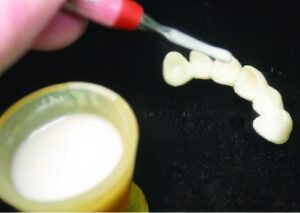
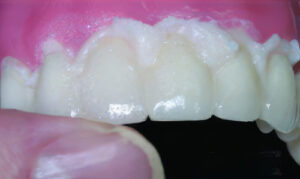
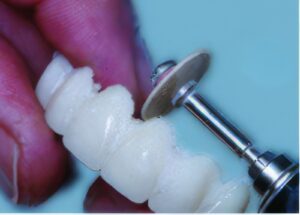
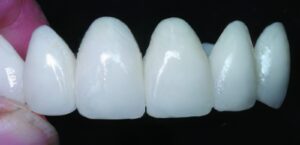
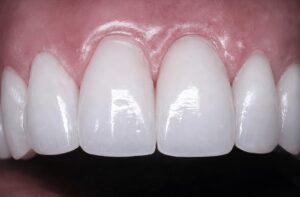
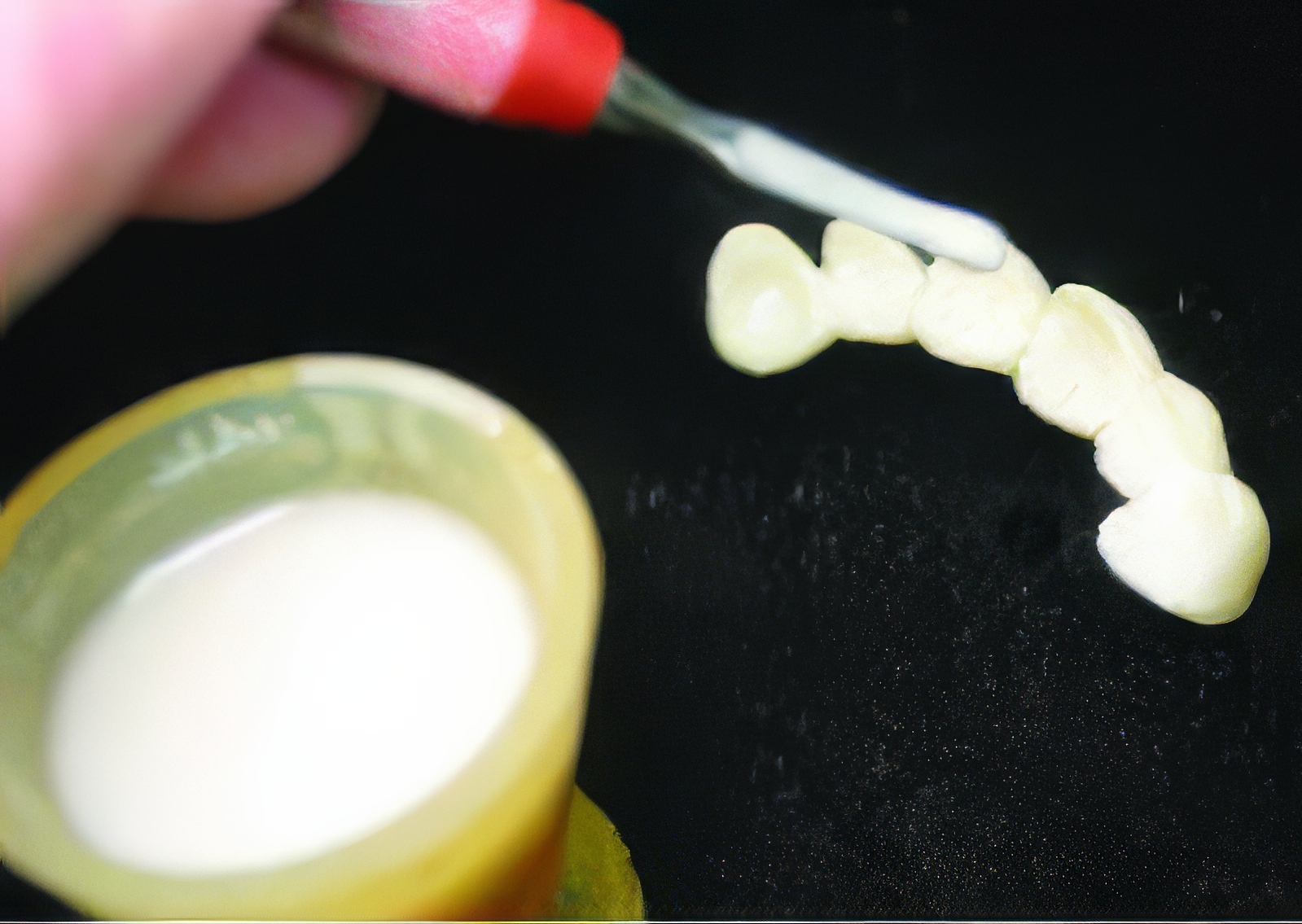
Image 4
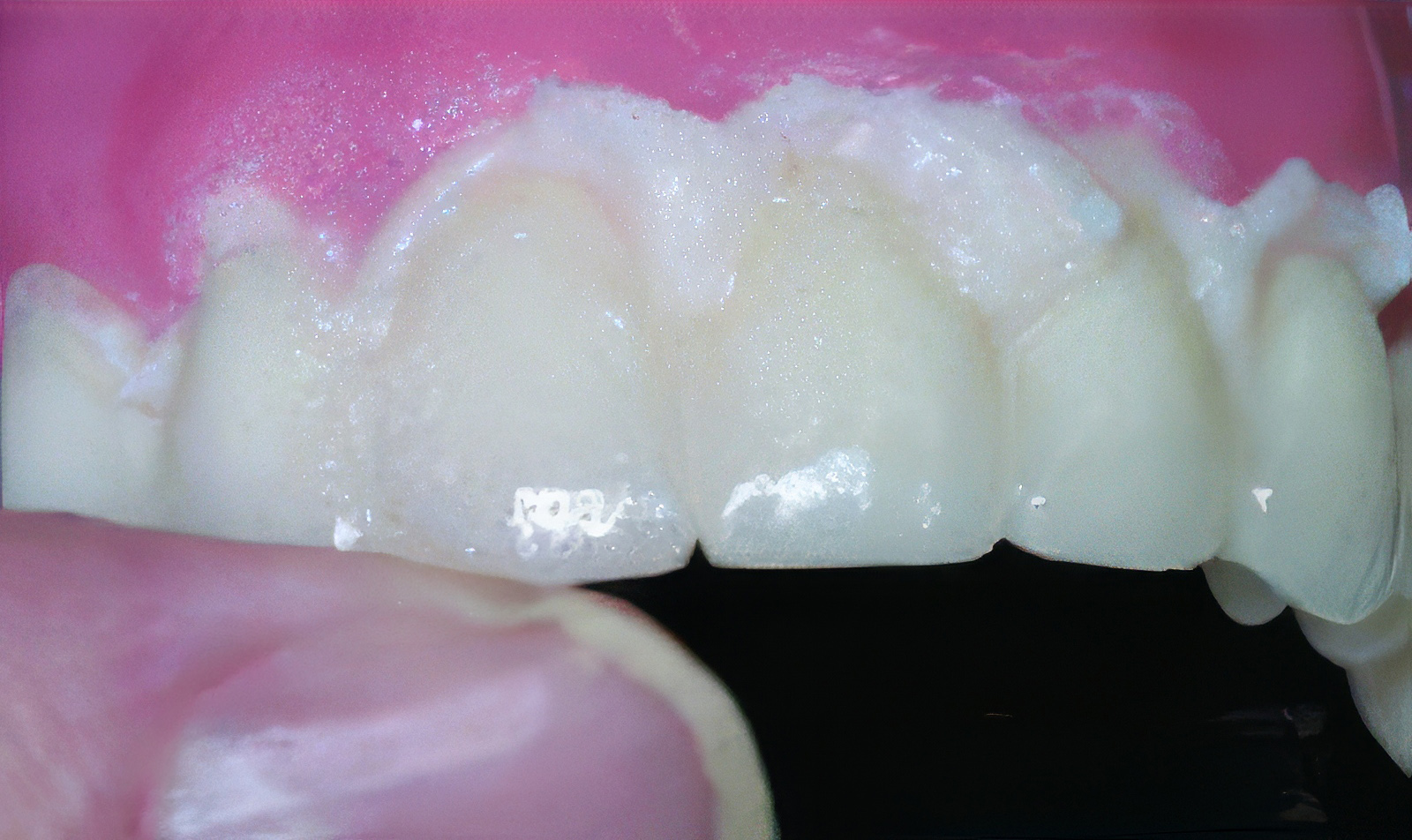
Image 5
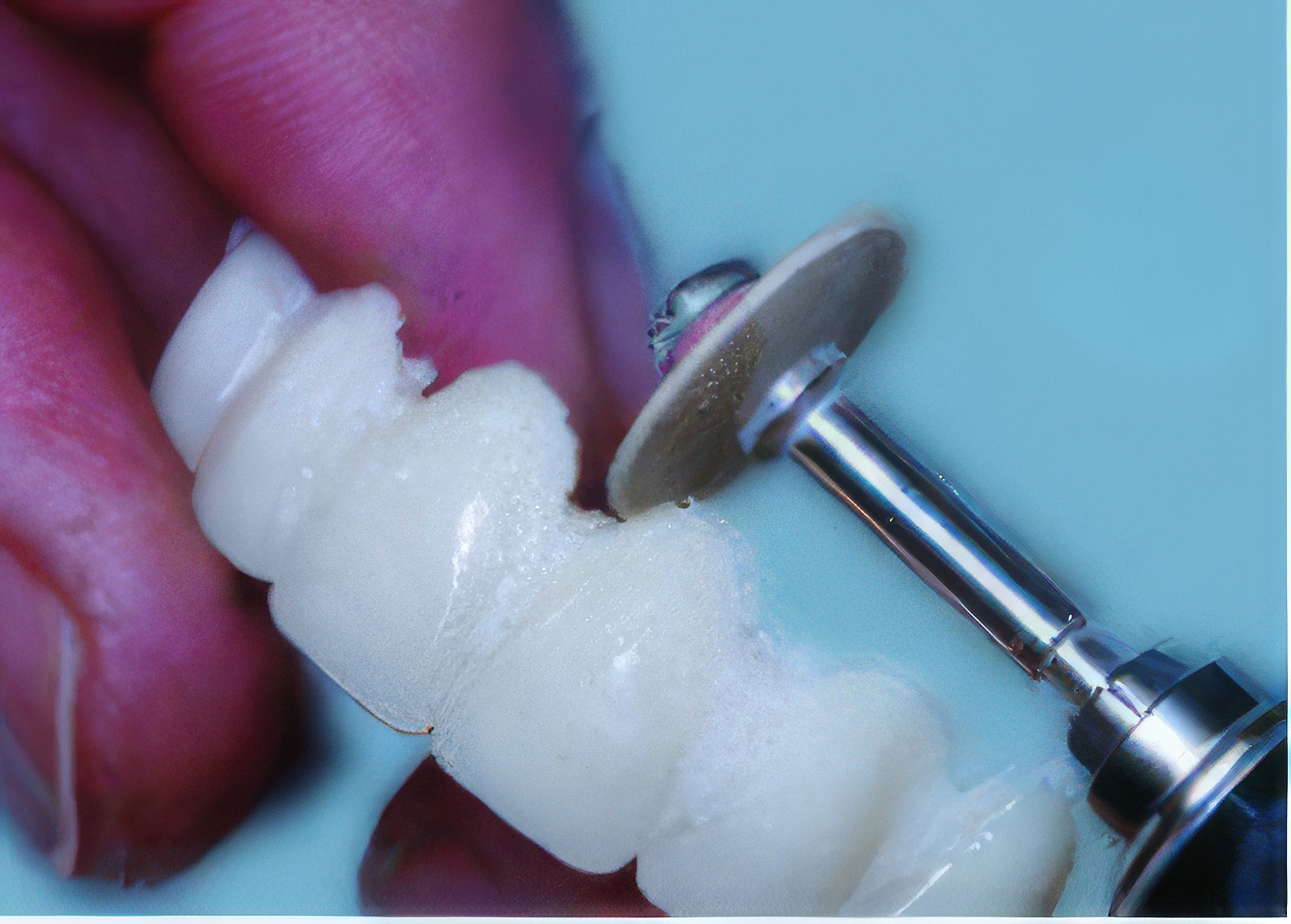
Image 6
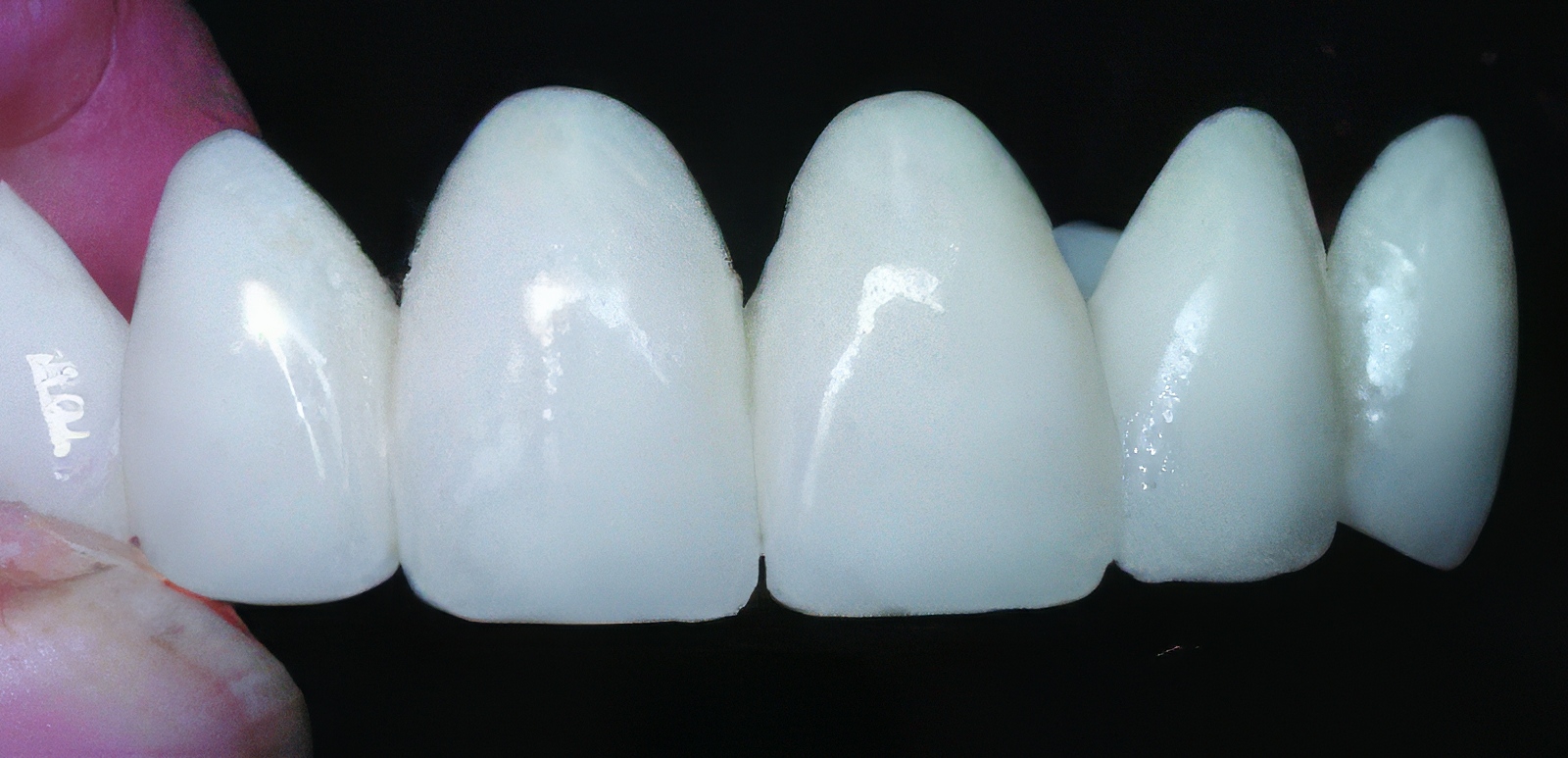
Image 7
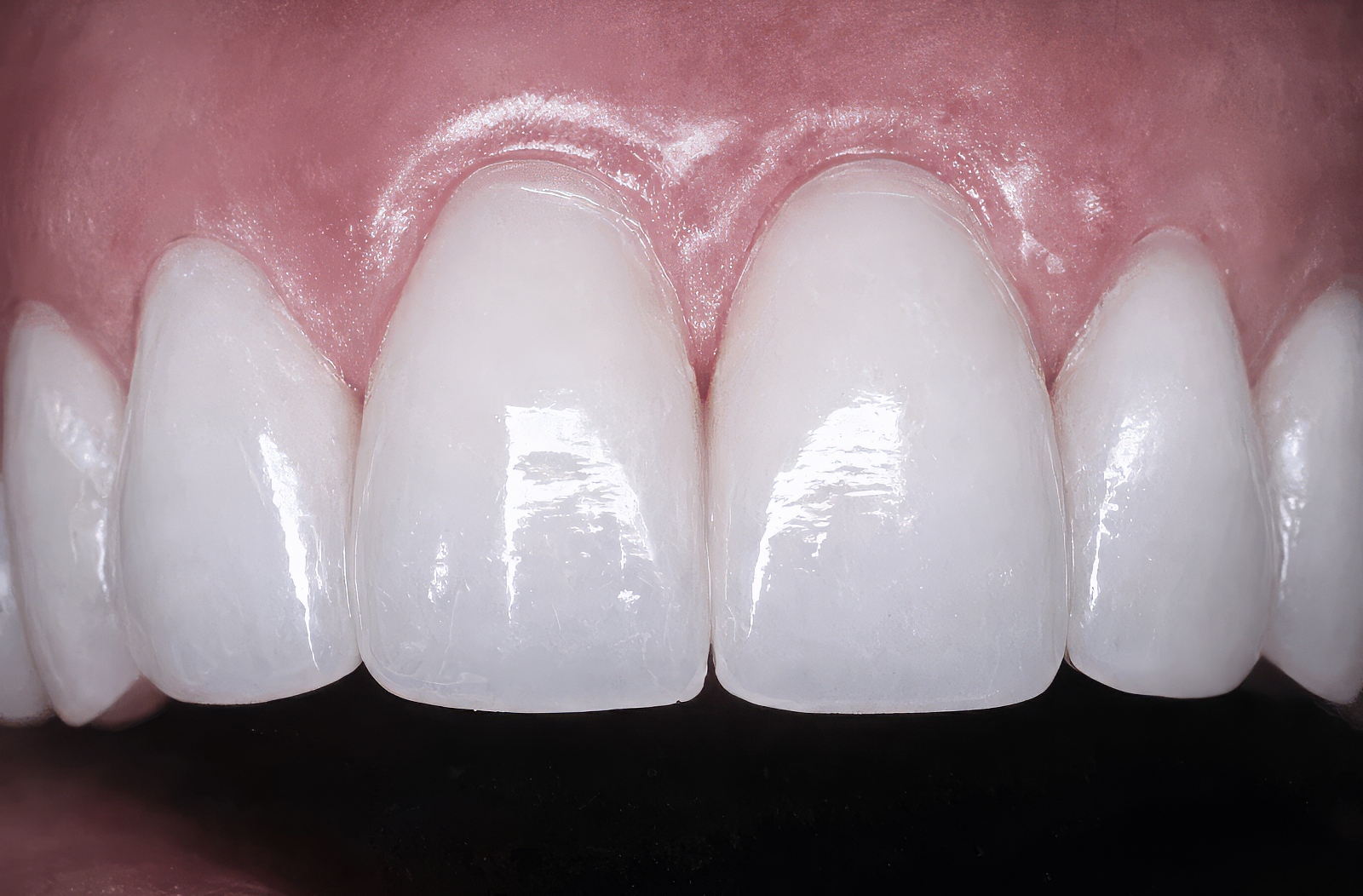
Image 8
1/1
“Three-quarters full, slightly dull gloss, out at the rubbery stage. The reline is where lab precision meets chairside discipline.”
Clinical Considerations During Cementation
When done correctly, this seating process preserves the lab design while letting the clinician refine function and esthetics chairside. The adjusted provisional then serves as a validated reference for the final restoration.
Common Clinical Scenarios Where Diagnostic Provisionals Add Value
Diagnostic provisionals are particularly beneficial in complex restorative scenarios, including:
In these situations, provisionals reduce uncertainty and provide measurable data that supports predictable outcomes.
The Role of the Dental Lab in Provisional Success
Successful provisionalization depends on clear communication between the clinician and the laboratory. Digital records, written instructions, and clinical photographs all contribute to accurate provisional design.
At Burbank Dental Lab, we approach provisional restorations with the same level of technical planning as final prosthetics. The goal is to ensure every provisional serves a diagnostic purpose and provides meaningful information for the treatment process.
This collaborative approach allows the lab to support clinical decision-making rather than simply respond to prescriptions.
FAQ


 Previous Post:
