







At Burbank Dental Lab, we have found that
dentists are looking for materials that
go beyond just “good enough.”
Evolving dental restorative procedures
Almost all aspects of dental restorative procedures incorporate new technology. It has taken longer for denture processes to integrate, but digital protocols are now evolving rapidly in this field of dentistry. With our removable workflows, Burbank Dental Lab has been at the forefront of integrating computer-aided design/computer-aided manufacturing (CAD/CAM dentistry). As part of our ongoing investment in technology, we have introduced the Ivoclar Digital Denture System.
REQUEST FEE SCHEDULE
Key benefits that Ivoclar Digital Dentures can provide
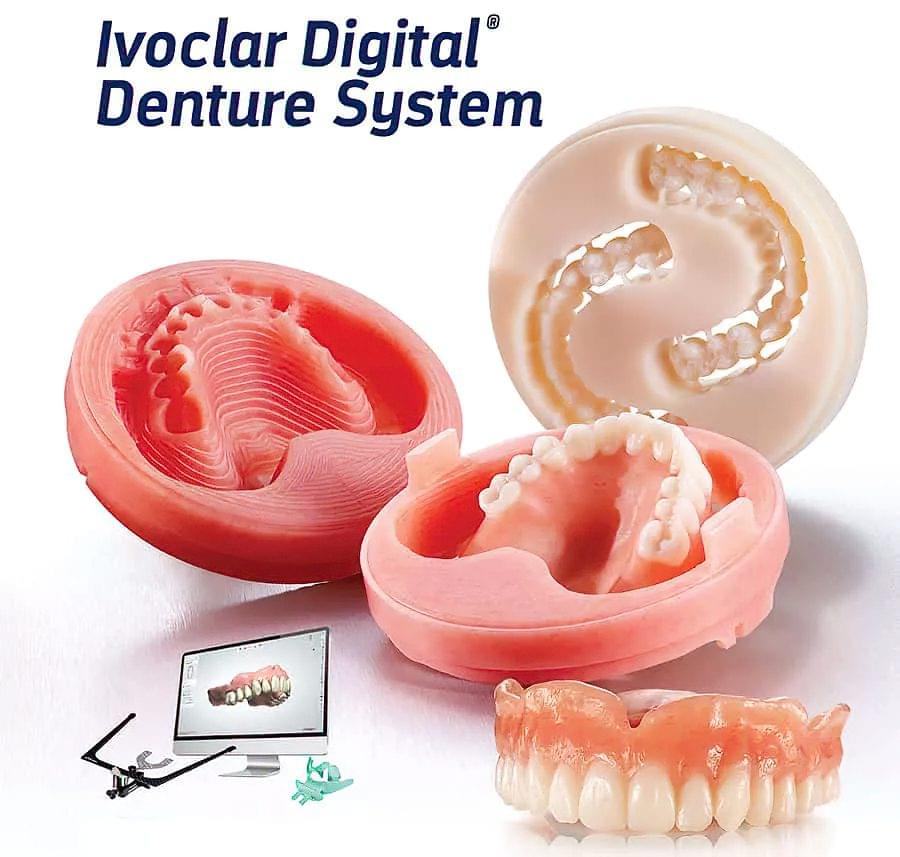
In summary, precision fit, strength, reduced adjustments, and reliable aesthetics improve the overall denture experience.

Clinicians are providing removable dentures
Increasingly, clinicians are providing removable dentures due to the digitization of the denture process. There are an estimated 23 million edentulous patients and 12 million partially edentulous patients, according to the American College of Prosthodontists, which opens up the possibility of providing this group with much-needed dental care. It is particularly relevant because edentulous patients may experience serious health issues that lead to conditions such as cancer, diabetes, coronary heart disease, obesity, and nutritional deficiencies.
Making Cases Successful

Digital dentures are manufactured using a workflow designed as a complete manufacturing process. A removable full-arch denture can be made more efficiently through streamlined procedures.
Dental office processes are integrated with digital production processes in labs. Clinical records are only one part of the equation to ensure reproducible results. Lab processes must also incorporate advanced materials and the latest design software.
Since Burbank Dental Lab is one of the first labs to incorporate Ivoclar’s Digital Denture System, we have developed a thorough understanding of what is required for success in these types of cases. Digital workflows can be implemented in many different ways, including using digital impressions or scans for denture impressions.
Conventional impression methods can also be done via this workflow.
Using Ivoclar Digital Dentures has its advantages
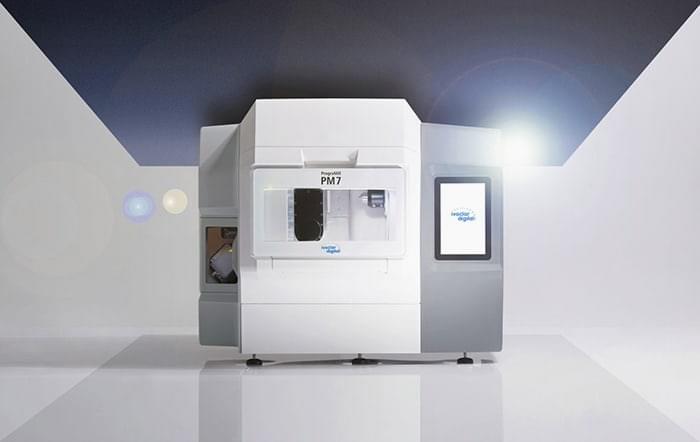
Analog Denture Workflows
Analog denture workflows are challenged by the amount of time it takes to get an accurate and successful outcome. These challenges are exacerbated by inaccuracies in occlusion, vertical dimensions, and esthetics. A digital workflow can quickly and easily be fixed by making changes to the digital input.
In analog dentures, if something is off, such as the midline, all teeth and wax must be removed, and the process must start over. Analog systems can be labor-intensive and time-consuming.
Benefits of Digital Workflows
In addition to offering a more efficient way to process dentures, digital workflows also provide the following benefits:
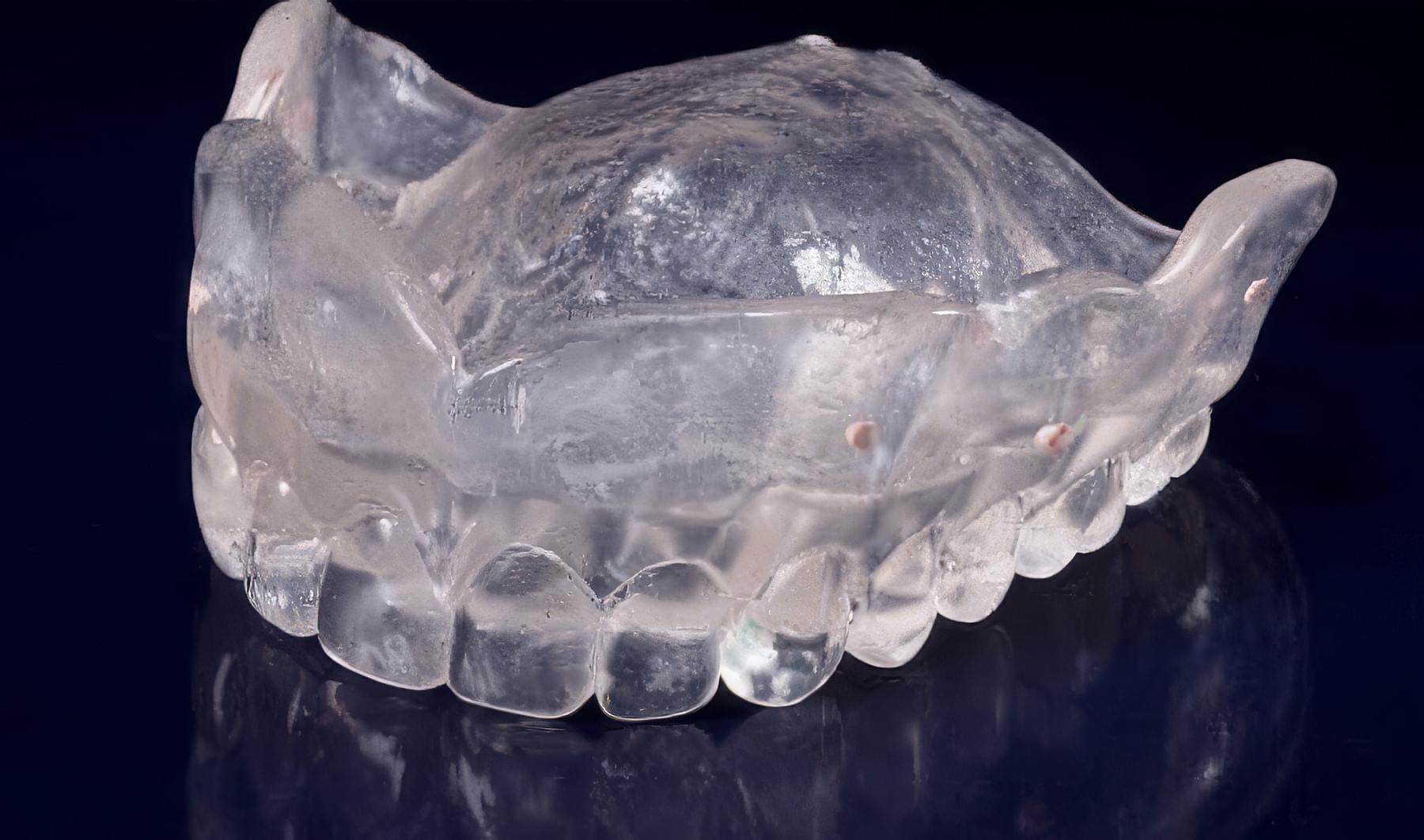
Digital workflows have improved dentistry in all areas, including digital dentures. By making a digital try-in denture from a printed model, the clinician can refine the occlusion, flanges, and post dam, and make decisions regarding final tooth positioning.
A final denture can be created by combining these modifications with the original scan.
Ivoclar Digital Denture Workflow
This is how the Ivoclar Digital Denture process works:
1. Take a vertical measurement.
2. Ensure that the UTS face-bow is attached to the centric tray.
Be sure the UTS face-bow is attached to the centric tray, and record the measurements. For the production of 3-D bite plates, it is crucial to use this measurement to orient the digital models.
3. Fabricate a 3D bite plate.
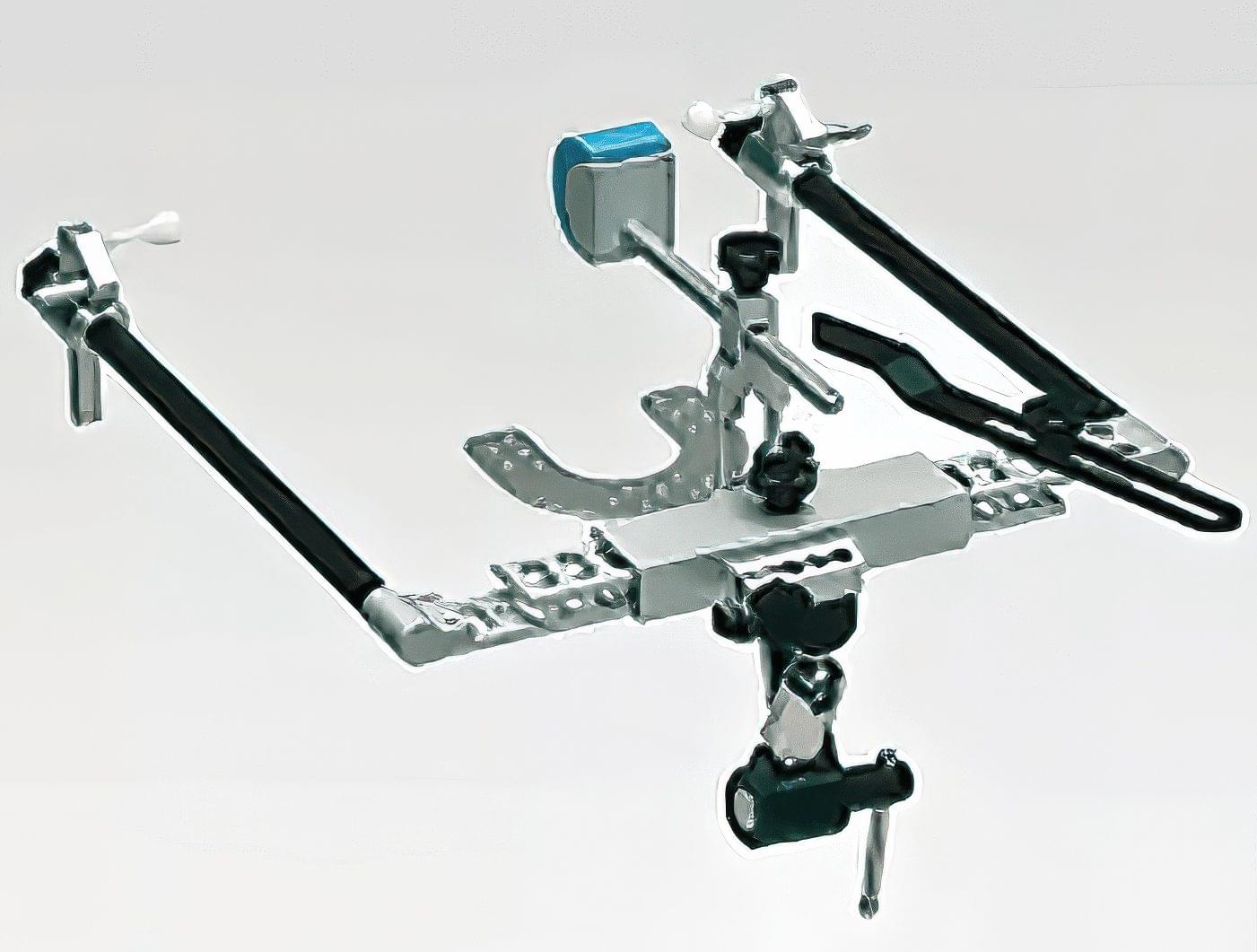
3D bite plates are fabricated using digitally scanned information.
FREE TO DOWNLOAD – SUCCESS GUIDES

DOWNLOAD A GUIDE
4. Communicate with the dental lab the measurements from the UTS CAD.
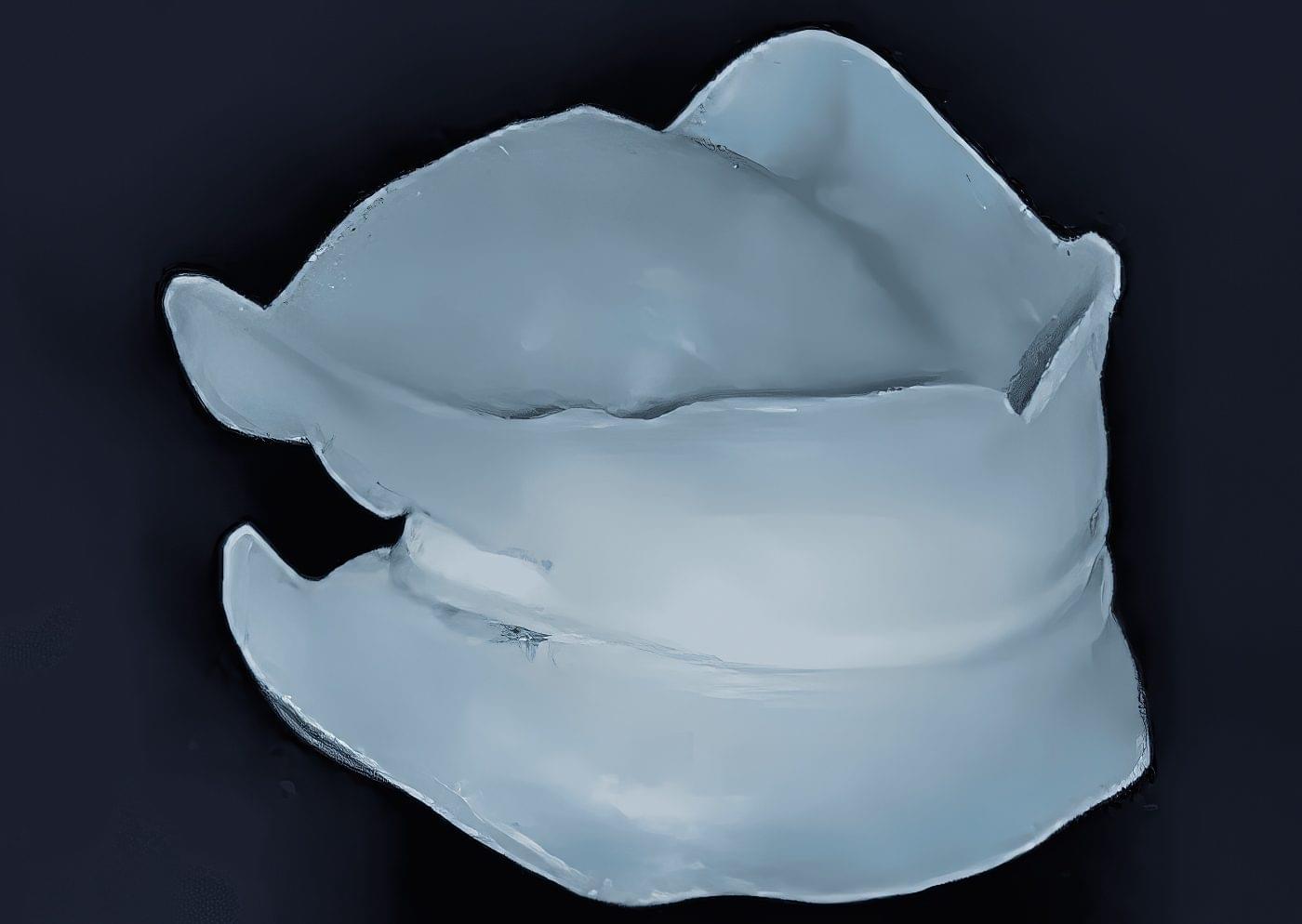
3D bite plates are fabricated using digitally scanned information.
5. Measurements and verification
6. Finalize impressions
You will want to finalize impressions.
7. Import scans
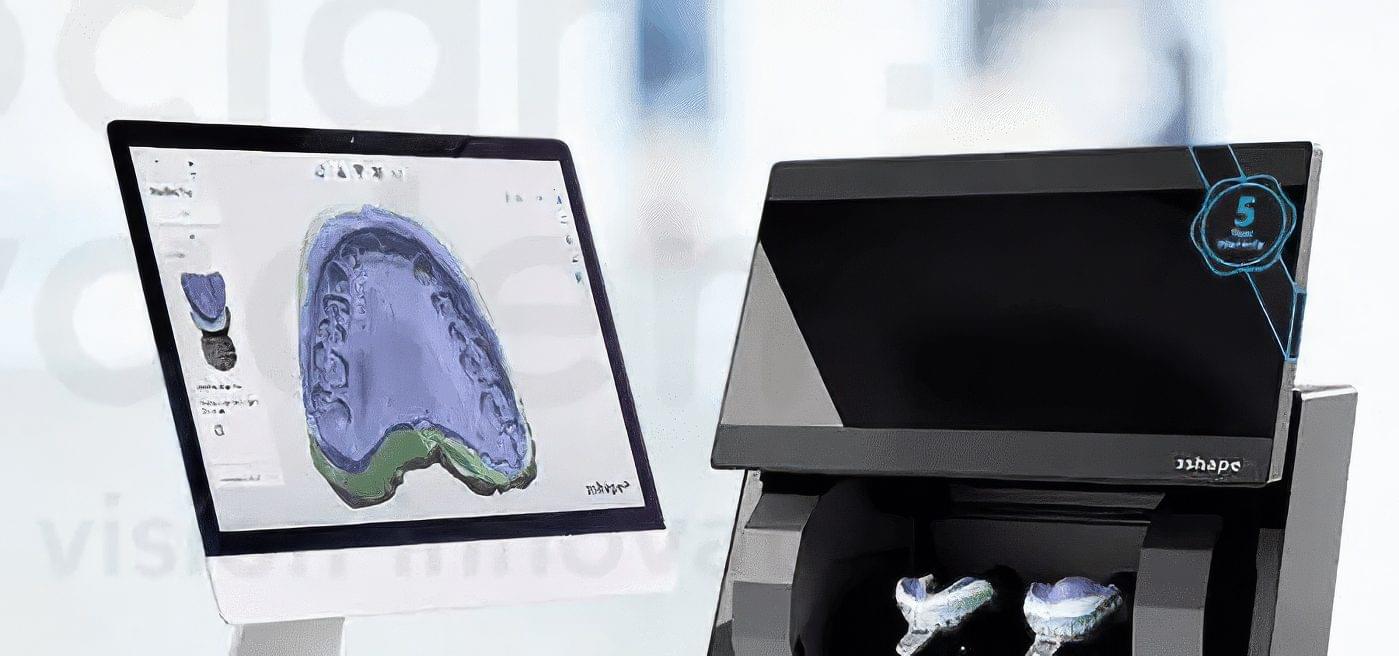
Scans are imported into the Ivoclar digital denture software program.
8. A monolithic denture is milled
When milling a monolithic denture for try-in purposes, the following accuracy is ensured:
9. It is now time to fabricate the final denture
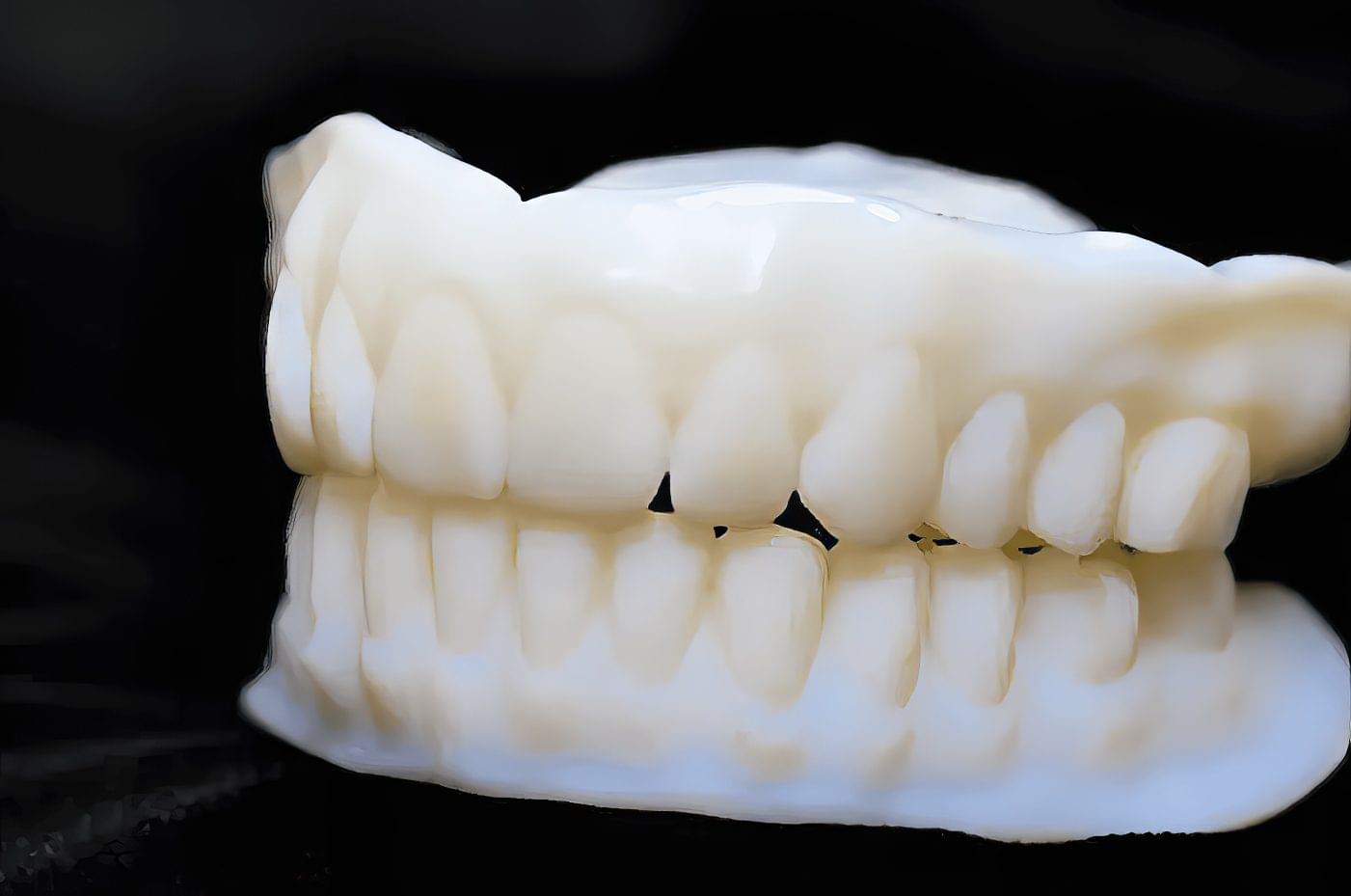
For the final denture, a tissue-colored denture base or vestibular is milled.
Next, the dental arch will be milled in the shade of the chosen teeth. The teeth are then cured into the tissue material. It is essential to fine-mill the pink and white materials together to create a close fit.
Afterward, the denture is polished and finished.
Since the material used to mill the denture is already cured, the denture will not disfigure or warp over time, which allows it to fit perfectly and adapt to your patient’s palate. As a result of the excellent fit of the dentures, we have been able to create cases without the post-palatal seal.
Key Takeaways
With Ivoclar’s digital denture workflows, patients can benefit from digitally designed and milled dentures. There are multiple workflows for removable dentures, but clinicians can customize treatment for their patients using the digital denture process.
Patients who undergo removable procedures benefit from these customizations in terms of improved outcomes, predictability, lower costs, and a more pleasant experience.
Contact Burbank Dental Lab to learn how digital protocols can transform your dental practice.



 Previous Post: