



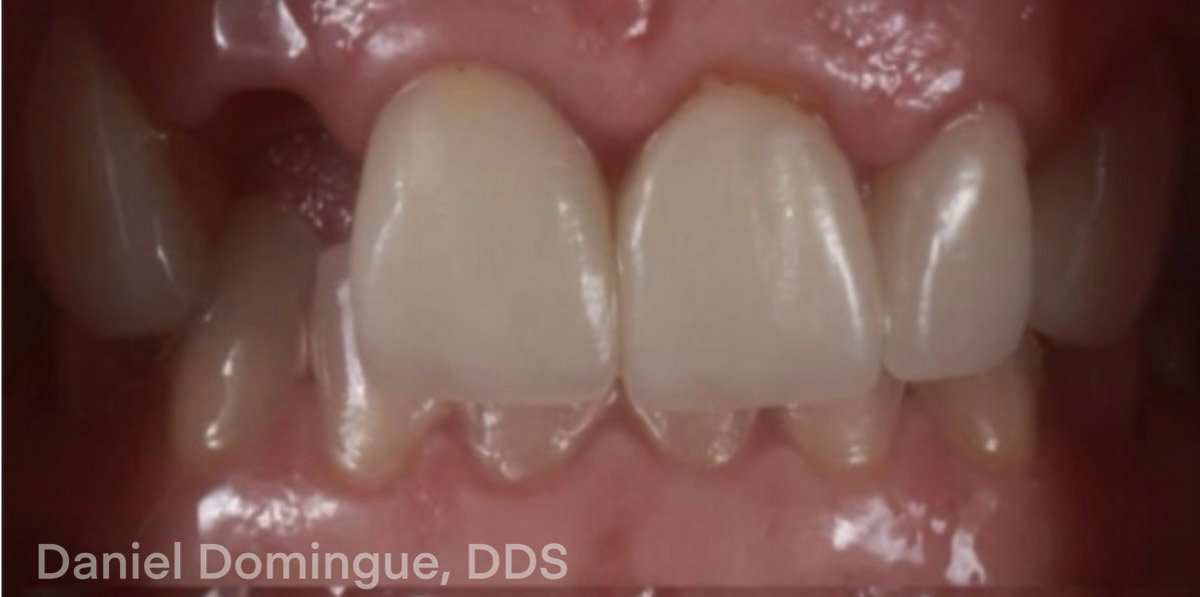
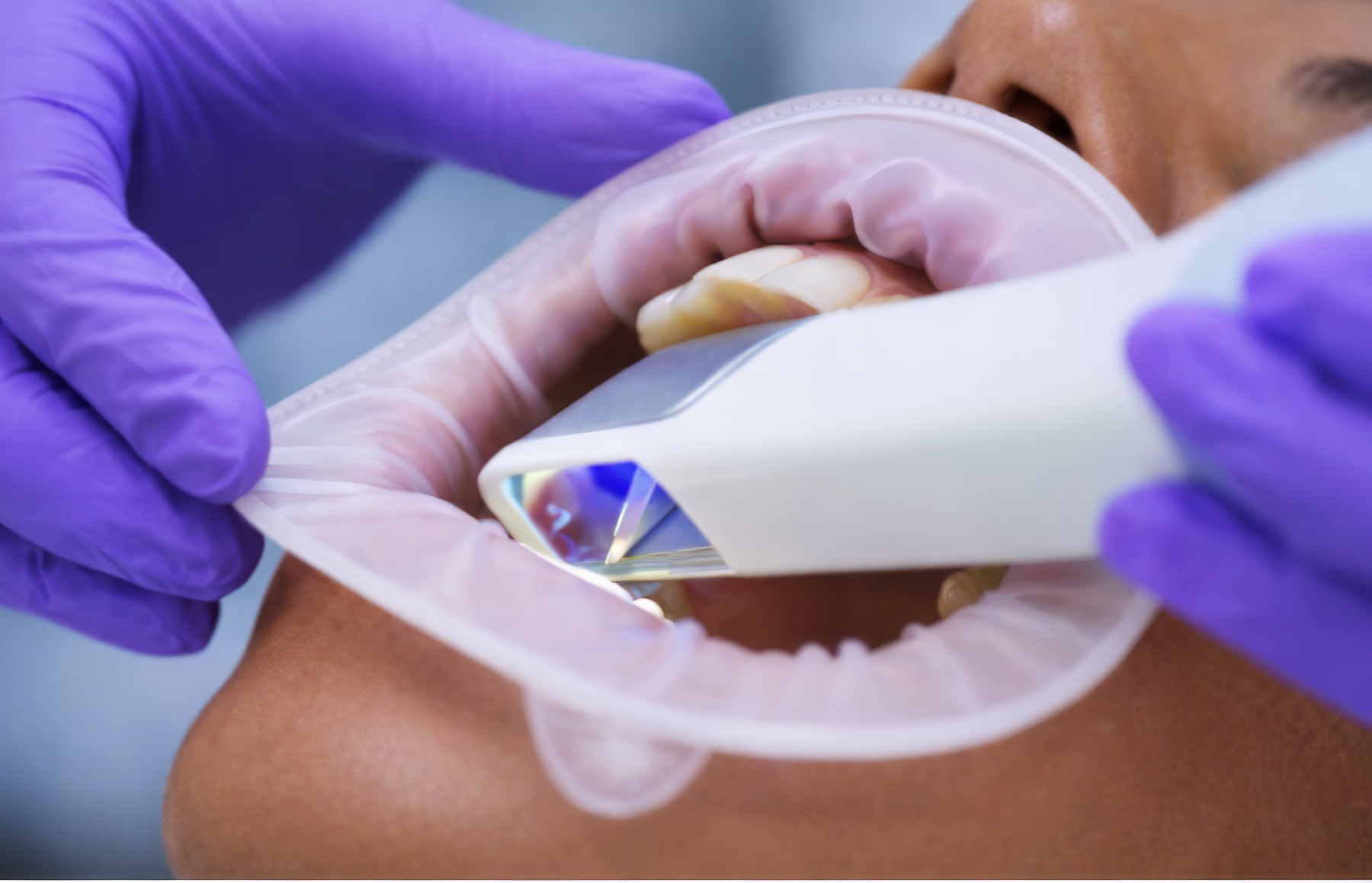
Edentulism affects millions of people in the United States. Dental treatment is vital for patients missing a single tooth. Several treatment options include bridges, dental implants, dentures, and partial dentures. Each of these treatment options has pros and cons. For many edentulous patients, removable prostheses offer an excellent solution.
Partial dentures can help improve facial appearance, mastication, and phonetics and keep remaining teeth from moving. They offer an excellent option for patients where other treatment options are too costly to consider. The opportunity to integrate implants in treatment plans and create implant-assisted removable partial dentures (RPD) becomes an ideal option for many patients.
REQUEST THE BURBANK DENTAL LAB FEE SCHEDULE
REQUEST FEE SCHEDULE HERE
REQUEST FEE SCHEDULE
Cast Metal Partial Dentures
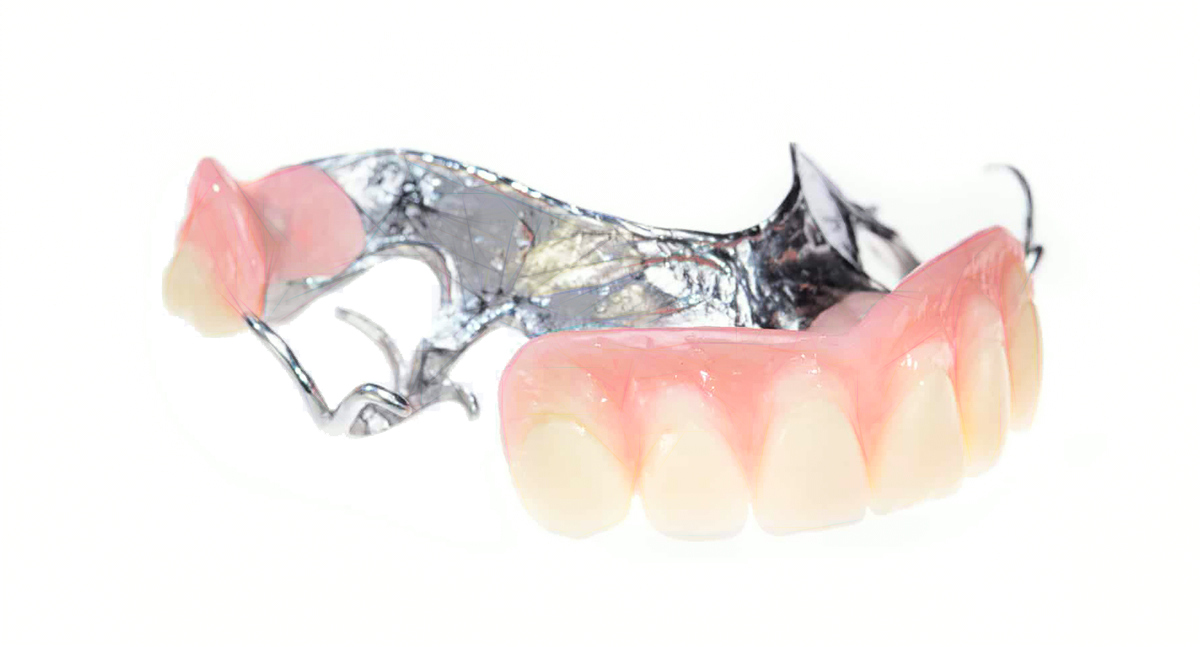
Partial dentures with cast metal frameworks are among the most prescribed restorations.
Vitallium 2000 and Vitallium 2000 Plus cast-metal partial dentures are available from Burbank Dental Lab. In addition to providing superior strength, these restorations create a long-lasting solution to missing teeth.
Furthermore, Vitallium 2000 Plus can be adjusted similarly to gold without deforming and provides a precise fit. While this material offers high strength and durability, it also enables a smaller, lighter frame design, enhancing comfort and aesthetics.
Benefits of Cast Metal Partial Dentures
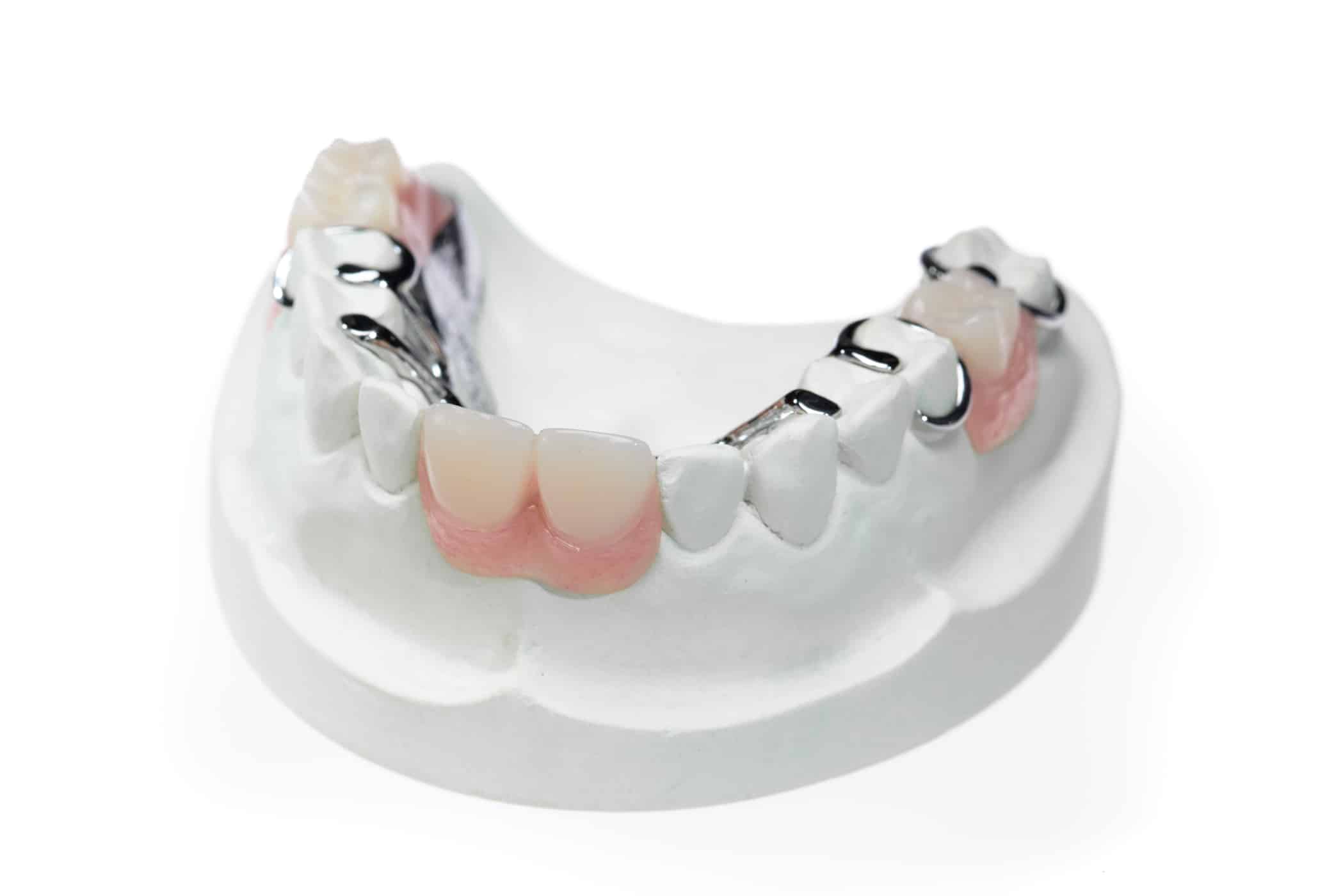
Ideally, these partials are prescribed when the case requires rests or attachments to increase arch stability. This alloy is a form of cobalt-chromium.
The benefits of using this type of material are as follows:
It is important to note that design knowledge is critical when creating such a prosthesis. The use of an improperly designed removable partial denture can promote bone loss on the abutment teeth, poor tissue reactions, and oral galvanism.
Applications of a Removable Partial Denture
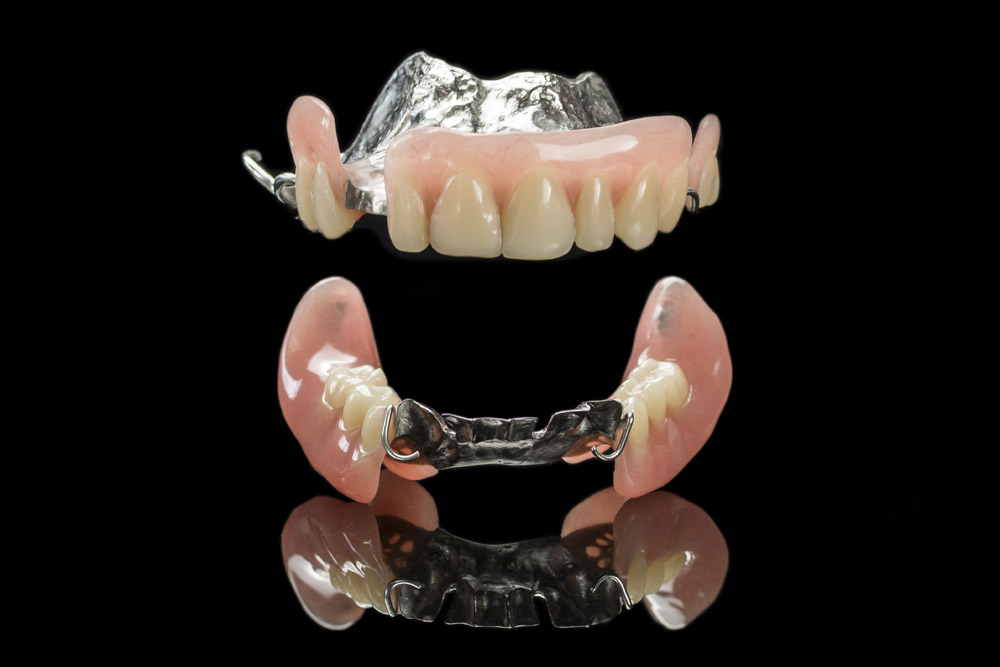
There are many applications for removable partial dentures. Multiple missing teeth can be replaced with a single prosthesis, which provides a replacement for both hard and soft tissues.
Existing dentures can be modified to accommodate future tooth loss when the patient is expected to experience additional tooth loss. The method’s reversibility makes it an attractive treatment option and does not preclude more complex future treatments.
It can thus be used as both a definitive prosthesis and a temporary prosthesis or a diagnostic tool.
Vitallium 2000 Plus
Not all cobalt chrome alloys are the same. Burbank Dental Lab uses the Vitallium 2000 plus as it has the most extensive documented clinical success with over 40 years of use. This alloy is comprised of the following materials:
This formulation offers not only strength but also unmatched fracture resistance. This material enables the design of lighter frames while maintaining strength. This lighter frame design provides premium comfort and compliance for patients.
Burbank Dental Lab designs partial frames to be tooth-borne and retained, minimizing tissue impact. In addition, the framework is designed to minimize adverse effects on the tissue by reducing stress and trauma to the teeth used for retention. The bite forces are intended to be distributed evenly across the entire arch.
With the removable team at Burbank Dental Lab and careful planning and communication, these options provide a valuable opportunity for many patients.
A cast partial denture, such as Vitallium 2000, must be appropriately planned and designed to succeed. When these restorative options are not intended or fabricated correctly, they can cause the patient harm, including periodontal disease, plaque buildup, and tooth decay.
Contact Burbank Dental Lab today for more information.
Case Study
Burbank Dental Lab focuses on meeting the needs of the dentists we serve at multiple levels. Our goal is to provide dental lab services that deliver the highest level of support to improve patients’ lives.
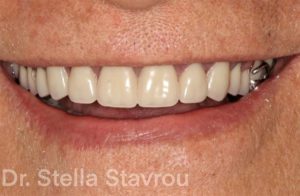
We were pleased to work on the following case referred to us by Dr. Stella Stavrou of Dentistry by Design, who is in her prosthodontic residency.
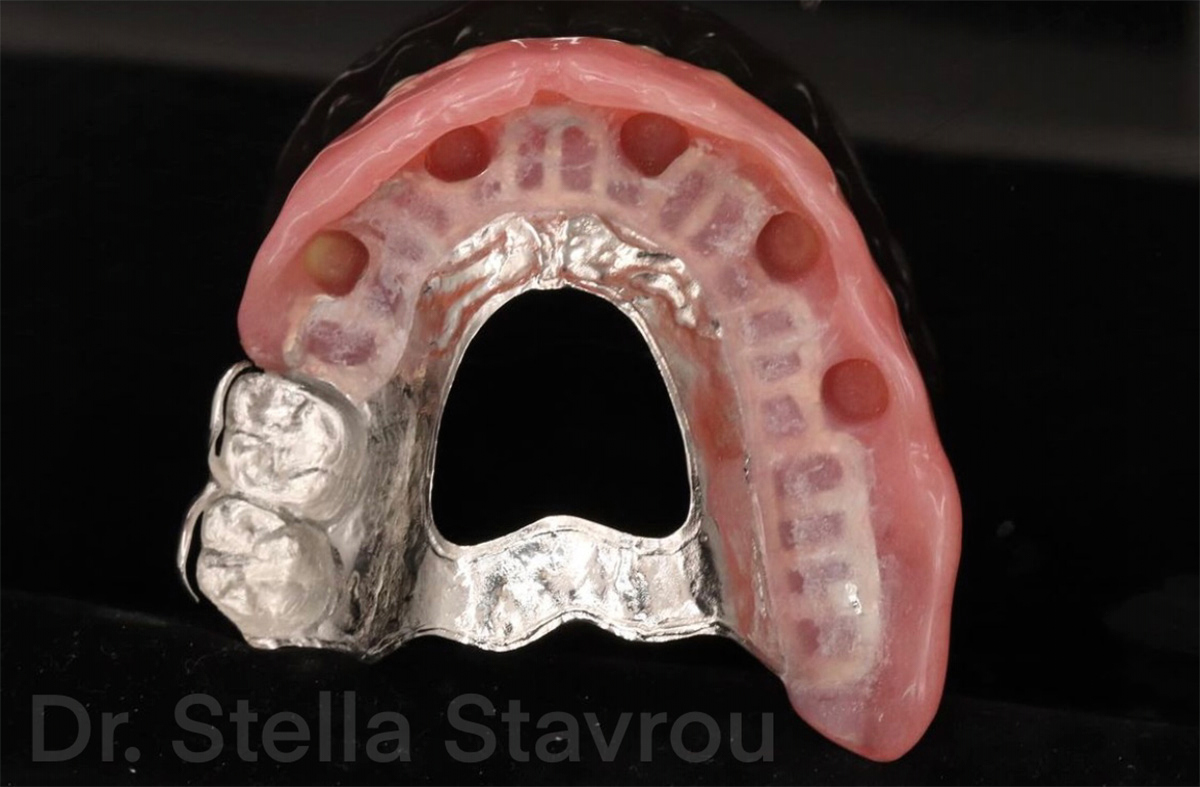
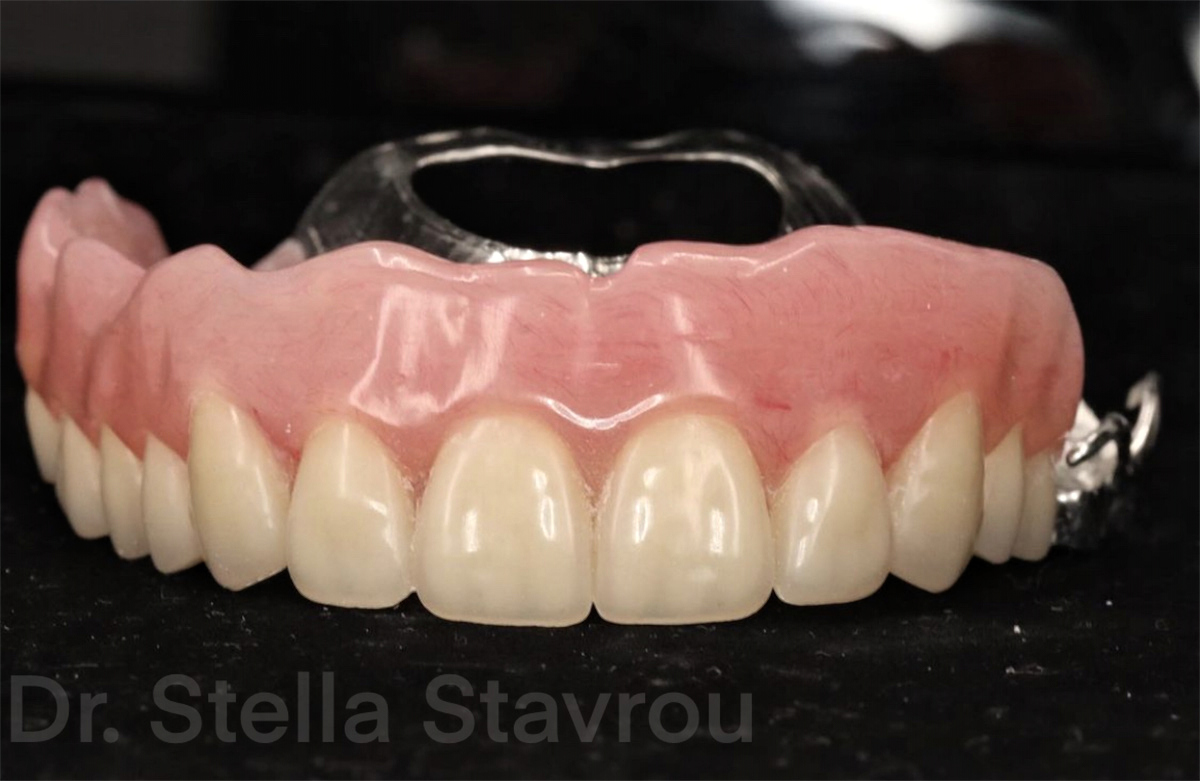
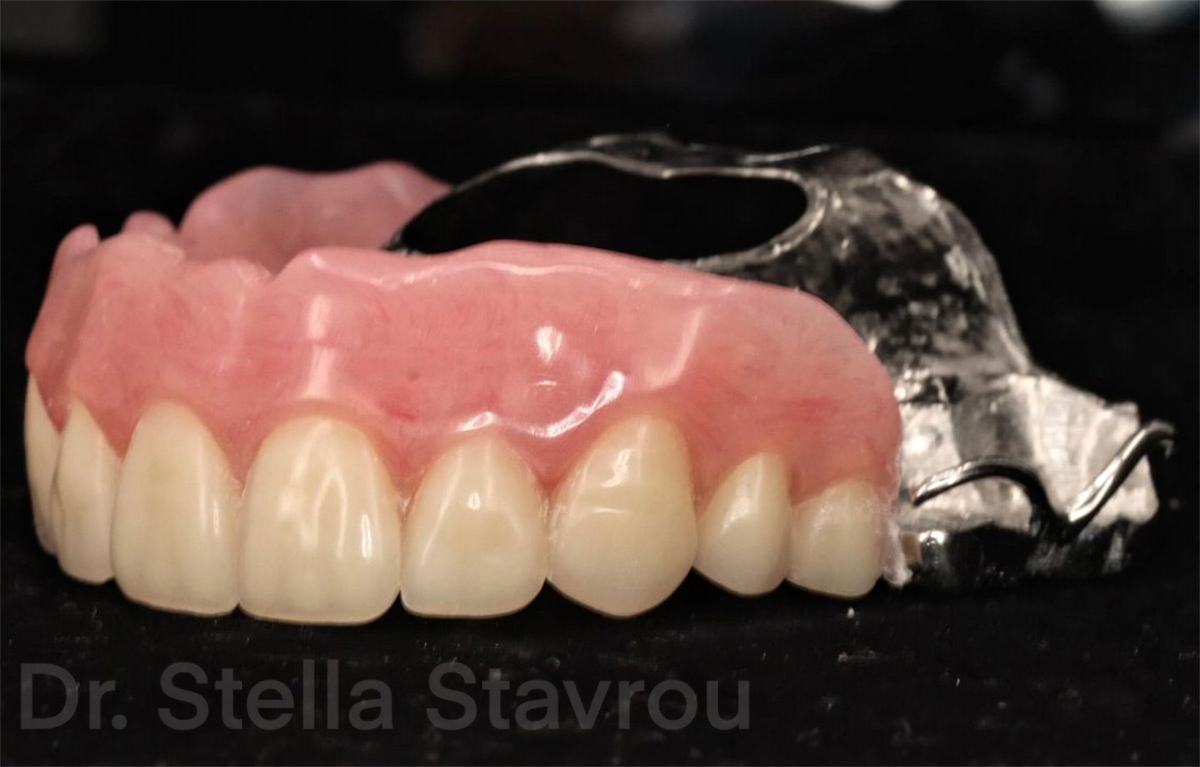
The patient presented edentulism on the maxillary arch with only two teeth remaining. He wanted to keep the two remaining teeth and opted for a removable prosthesis. The patient had a decreased vertical dimension of occlusion (VDO).
The case was mounted, and a wax-up was performed on the occlusal surfaces of the two remaining teeth to increase the vertical dimension to the desired opening for improved overall function. In cases like these, opening the vertical dimension is often indicated. The most significant determinant when considering opening the VDO is the wear on natural teeth or artificial teeth.
The wax-up was then transferred to a refractory model. The metal framework was waxed up with the occlusal surfaces included. The framework was cast and returned for a try-in to check the new jaw relations. Dr. Stavrou set the teeth, and the partial was processed.
Case Study Photos

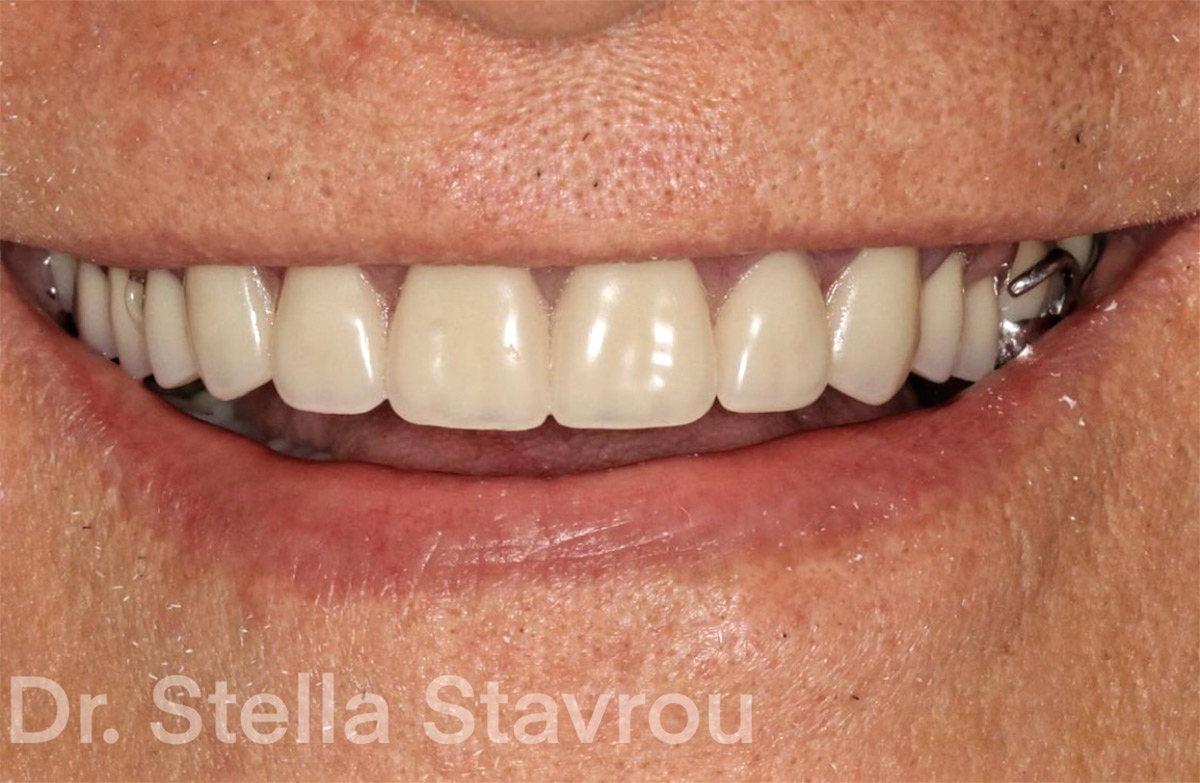
Burbank Dental Lab would like to thank Dr. Stella Stavrou for providing the case notes and pictures for the case shown above.
FREE TO DOWNLOAD – SUCCESS GUIDES
DOWNLOAD A GUIDE


 Previous Post: