







Meeting a patient’s esthetic expectations is a critical component of ensuring their overall satisfaction. In most instances, patients can be purely driven by esthetics, but as clinicians, managing the functional aspects of a patient’s overall oral health is equally critical to ensuring comfort and longevity. It is vital, then, that the dentist clearly understands the patient’s expectations and identifies any limitations to achieving them. One of the most effective tools in creating an ideal plan is through the use of provisionals.
The Benefits of Provisionals
Provisional restorations can be used to evaluate and preview a desired esthetic outcome and help uncover any functional limiters. They can help to determine the desired shape and color, as well as assess periodontal response and function. Provisionals are often utilized in large, complex cases such as full mouth reconstructions. Still, it is essential to note that, in some instances, they are used to evaluate single units, multiple units, and implants. Especially in implant restorations, provisionals play an essential role in tissue management and overall case success.
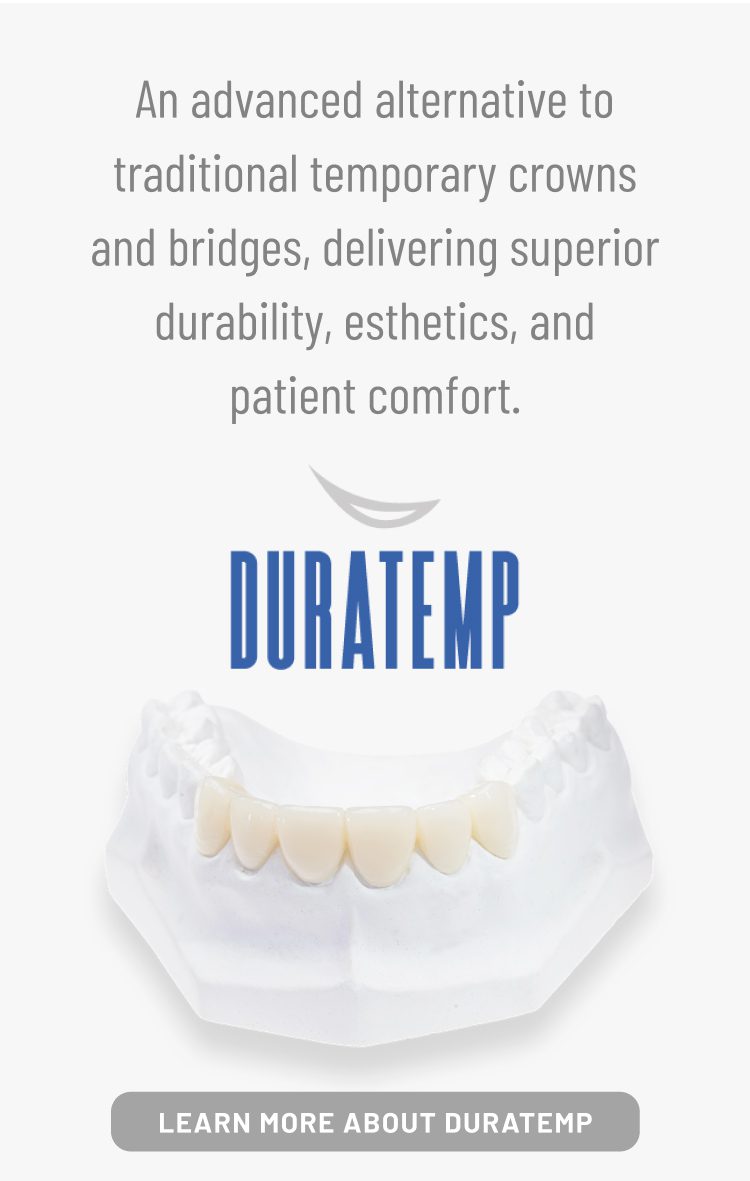
At the fundamental level, a provisional is helpful for providing a holding spot, both horizontally and vertically, to prevent tooth movement while waiting for a more permanent restoration. They help to prevent bacterial exposure on the surfaces and tubules by protecting the dentin. Provisionals also help to avoid sensitivity while waiting for the final prosthesis. Provisionals, especially those fabricated at Burbank Dental Lab (figure 1), offer the following specific goals:
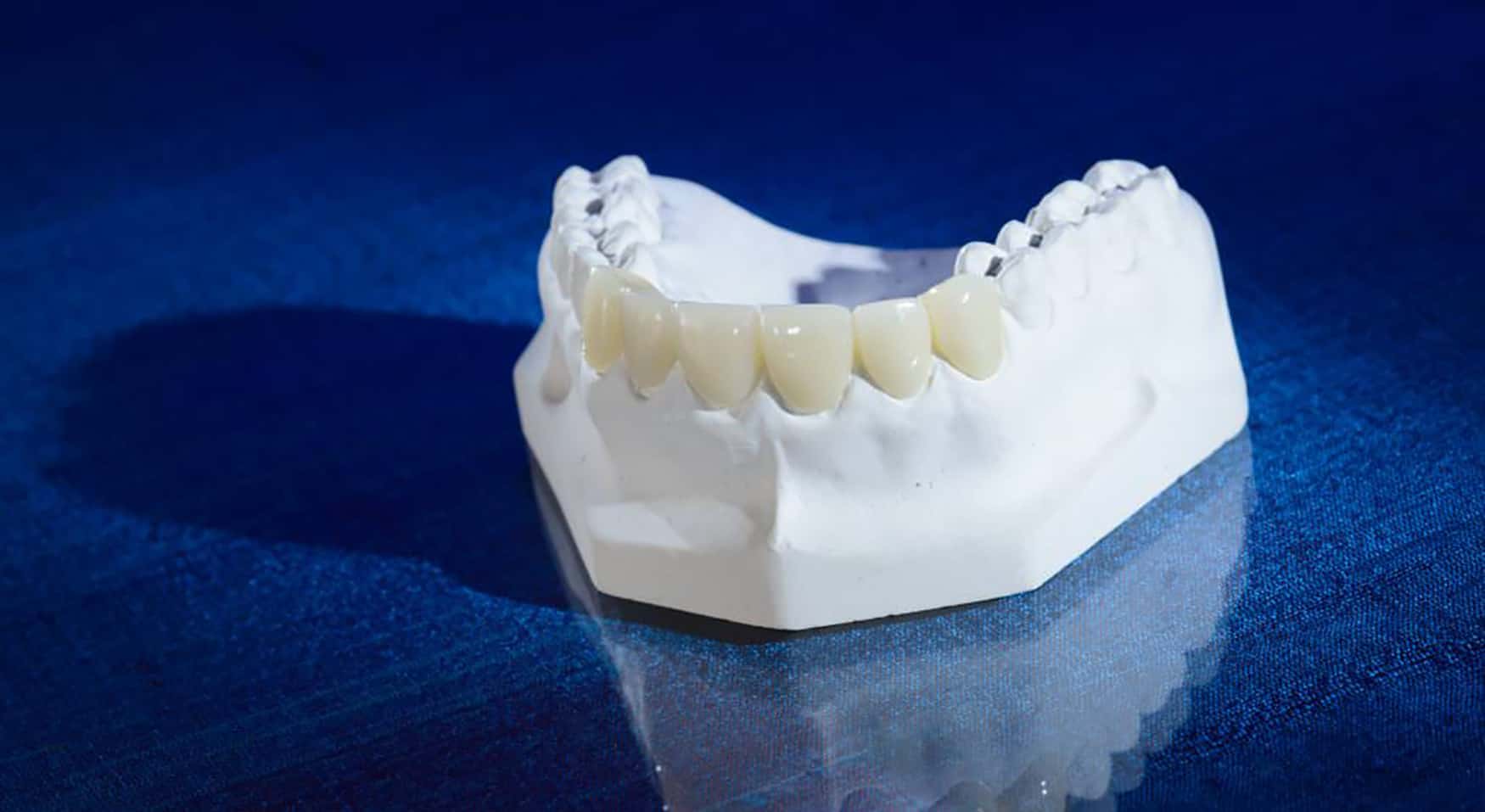 DuraTemp provisionals by Burbank Dental Lab
The Ultimate Prototype
The provisional works as a prototype of the final restoration. It is advised, especially in larger cases, to allow the patient several days to wear the provisional to ensure they will be satisfied with the final results. When the final restorations have been seated, the doctor and the patient will already have a clear idea of what the final restorations will look like and how they will function.
When a provisional is not provided, the outcome will be a guess and may leave the patient unsatisfied, potentially requiring corrections or remakes. This is particularly true when changes in the vertical dimension are part of the treatment plan. These types of changes must be tested to determine how the patient will tolerate them. Through wearing a prototype of the final restorations, the vertical dimension, occlusion, and mandibular position can be tested to ensure the patient will be comfortable with the final prosthesis.
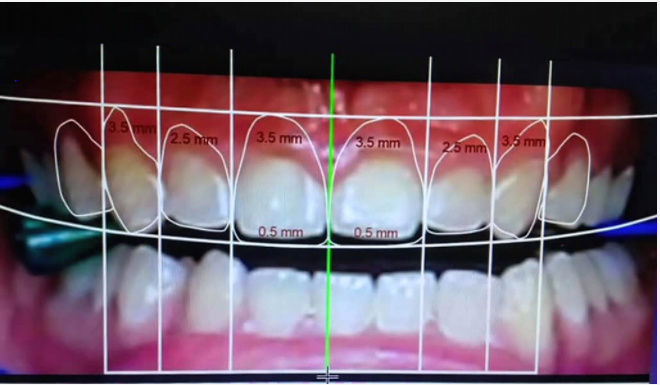
Determining the case design begins with understanding the esthetic concerns and desires of the patient. This step is best achieved not only by listening to the patient but also by having the patient view smile design photos and perhaps look for other pictures of smiles they find appealing. There are computer imaging services that can provide digital mock-ups of proposed smile designs, as well as other products that offer chairside quick smile mock-ups to get the uncovering process started.
Case Planning Steps
After these preliminary steps are completed and the initial criteria are gathered, a wax-up is created to determine the possibilities for the patient’s actual oral situation, coupled with the desired outcome.
This process should begin with the following steps:
In some cases, these provisionals can be tried-in and accepted at the time of delivery, but for more complicated cases, it is recommended that the patient wear provisionals to determine not only esthetic considerations but comfort and functionality as well. The provisionals are then either approved or adjustments are made or recorded.
Pictures should be taken with the temporaries in place, and a model of the temporaries should be sent to the dental lab. This approved prototype can now be used as a blueprint for the dental lab.
FREE TO DOWNLOAD – SUCCESS GUIDES
DOWNLOAD A GUIDE
The Benefits of DuraTemps
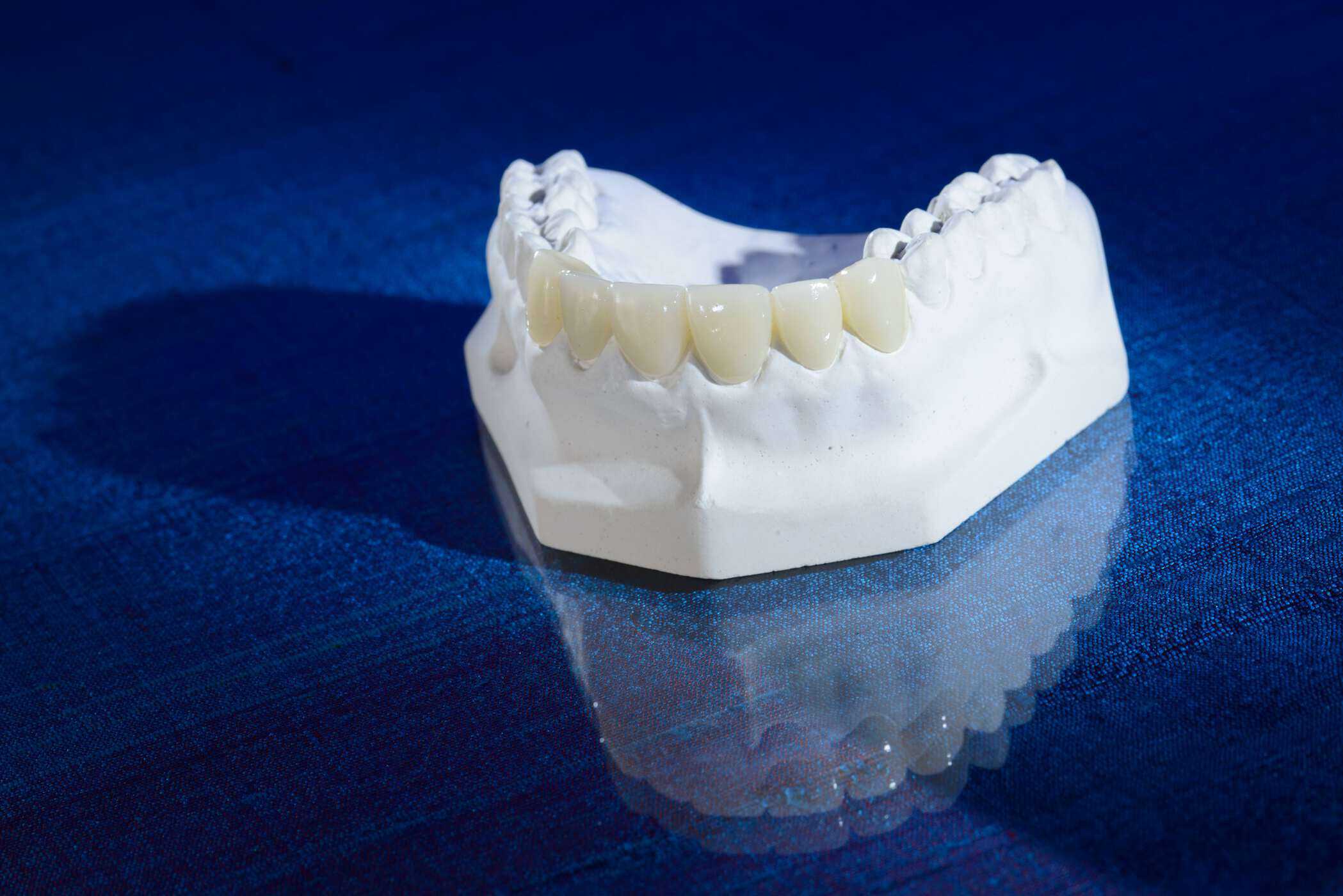
Depending on the situation, provisionals can be used either before or after preparation. The critical consideration is to gain this information before the final restorations are fabricated. The actual fabrication of the provisional can be done chairside using a matrix from the provided wax-up or with lab-fabricated temporaries. There are clear benefits to using lab-fabricated provisionals such as DuraTemp by Burbank Dental Lab.
These benefits include:
With the capability to create a dental prototype that considers the patient’s esthetic concerns and a proposed diagnostic outcome, meeting patient expectations, if possible. Implementing this step helps to bolster profits by eliminating the need for remakes and improving the patients’ overall satisfaction.
Contact the Smile by Design team at Burbank Dental Lab today for more information.


 Previous Post:

