



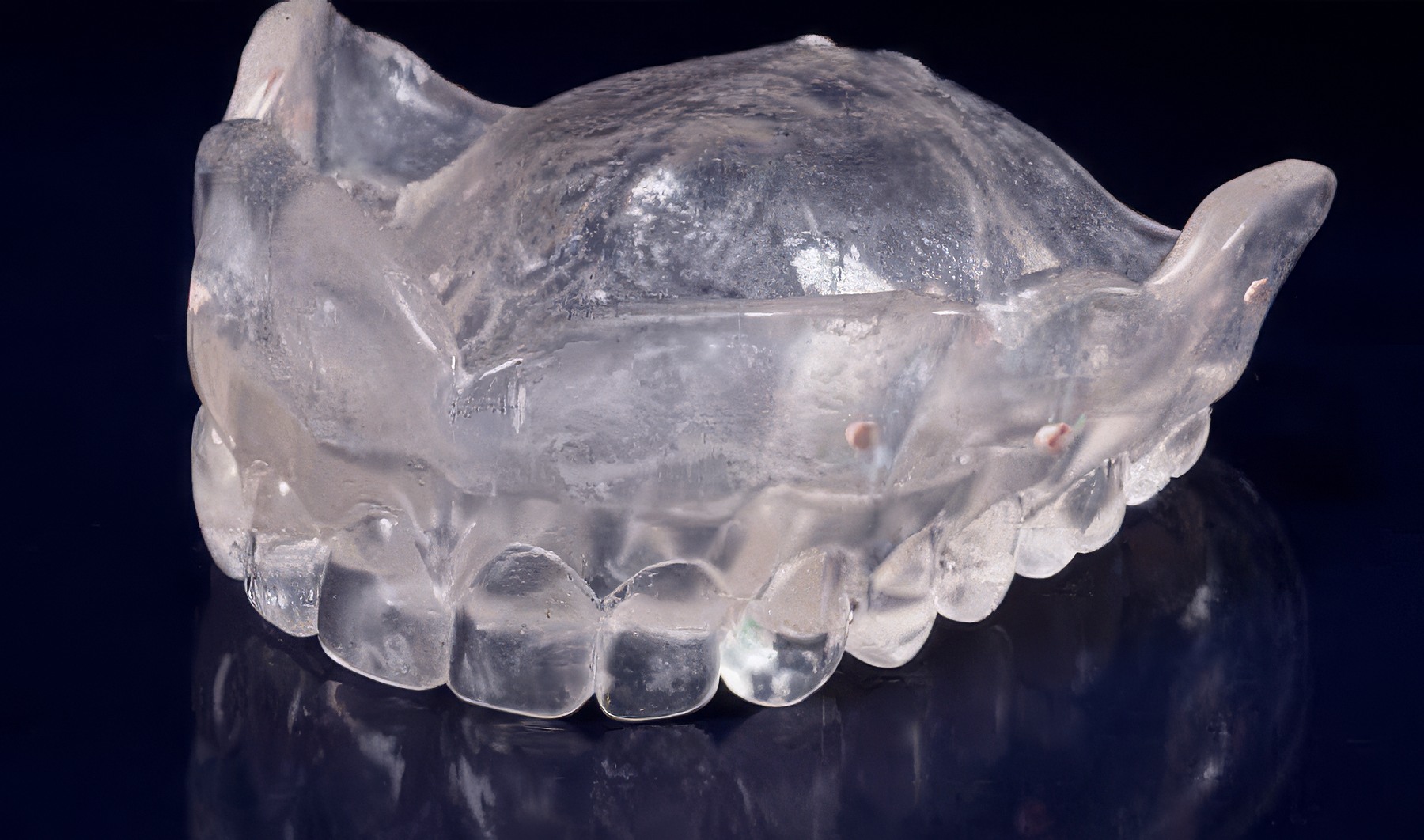


Success with this workflow depends less on technology adoption and more on accurate records, clear communication, and sound clinical judgment.
Digital denture fabrication continues to evolve, but for many dentists, the key question remains practical rather than technological: how does a digital denture workflow change what happens in the operatory, and what stays the same?
Ivoclar’s digital denture workflow, centered on the Ivotion® Denture System, integrates digital design and milling into established clinical protocols for complete dentures. Rather than replacing core prosthodontic principles, the system focuses on standardization, reproducibility, and digital record retention while maintaining familiar clinical steps.

Dr. Michael Miller, DDS
“Burbank Dental Lab has been my lab of choice for close to 20 years. I really appreciate the consistent quality and craftsmanship.”

What is the Ivoclar Digital Denture Workflow?
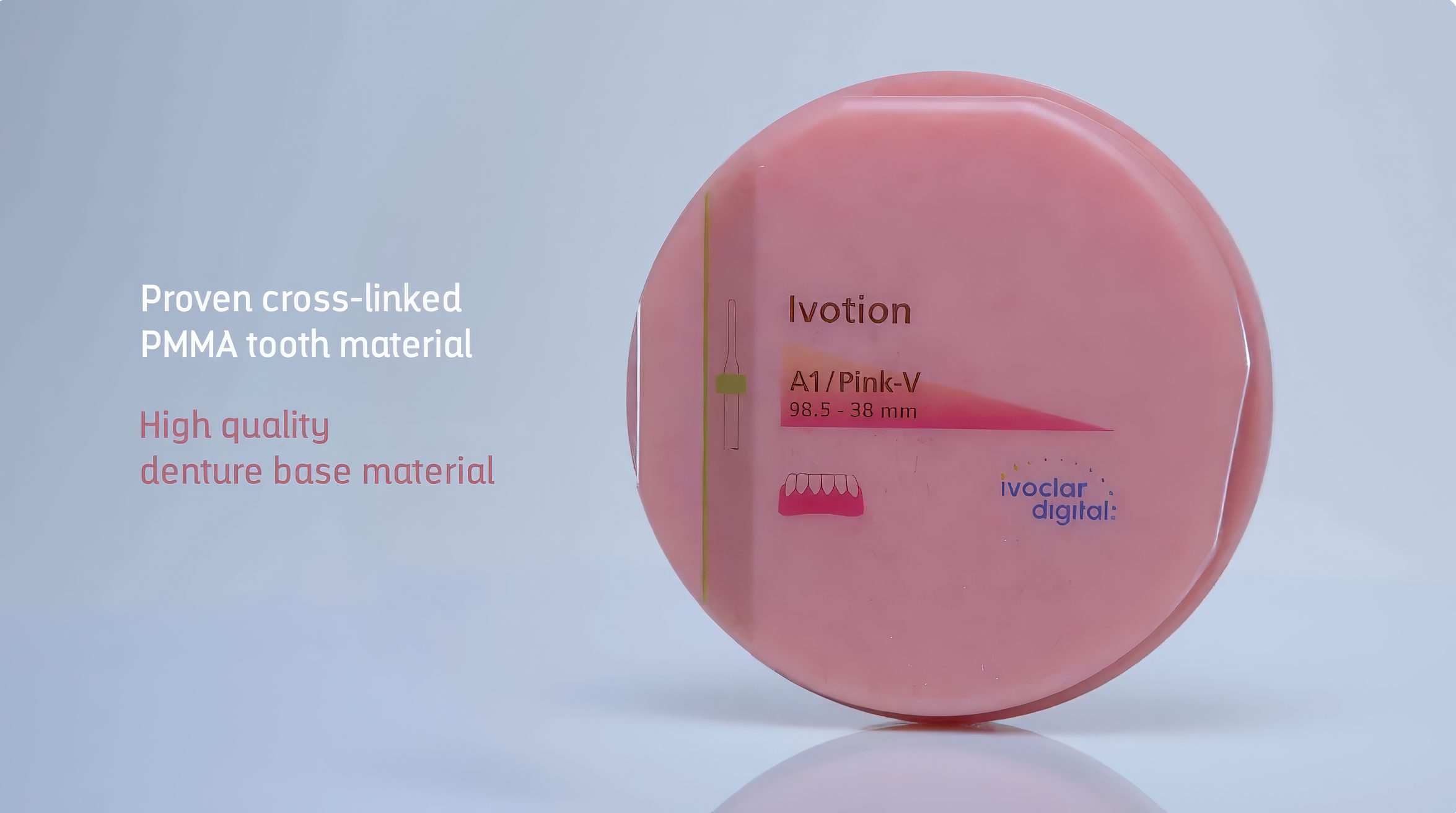
The Ivoclar digital denture workflow is a guided clinical–laboratory process for fabricating complete dentures using digital design and CAM manufacturing. Its defining feature is the Ivotion denture disc, a bi-layered PMMA disc that integrates denture tooth material and denture base material into a single blank.
Ivotion incorporates a predefined internal tooth arrangement, referred to as Shell Geometry, which supports digital tooth positioning during the CAD phase. Once the denture design is approved, the prosthesis can be milled as a monolithic unit rather than processed through traditional flasking and packing steps.


For dentists, this means the fabrication method changes, but the diagnostic and clinical responsibilities remain familiar.
Clinical records: What dentists still control
The success of any digital denture workflow depends on the accuracy of the clinical records provided. While fabrication is digital, the biological and functional requirements of complete denture therapy remain unchanged.
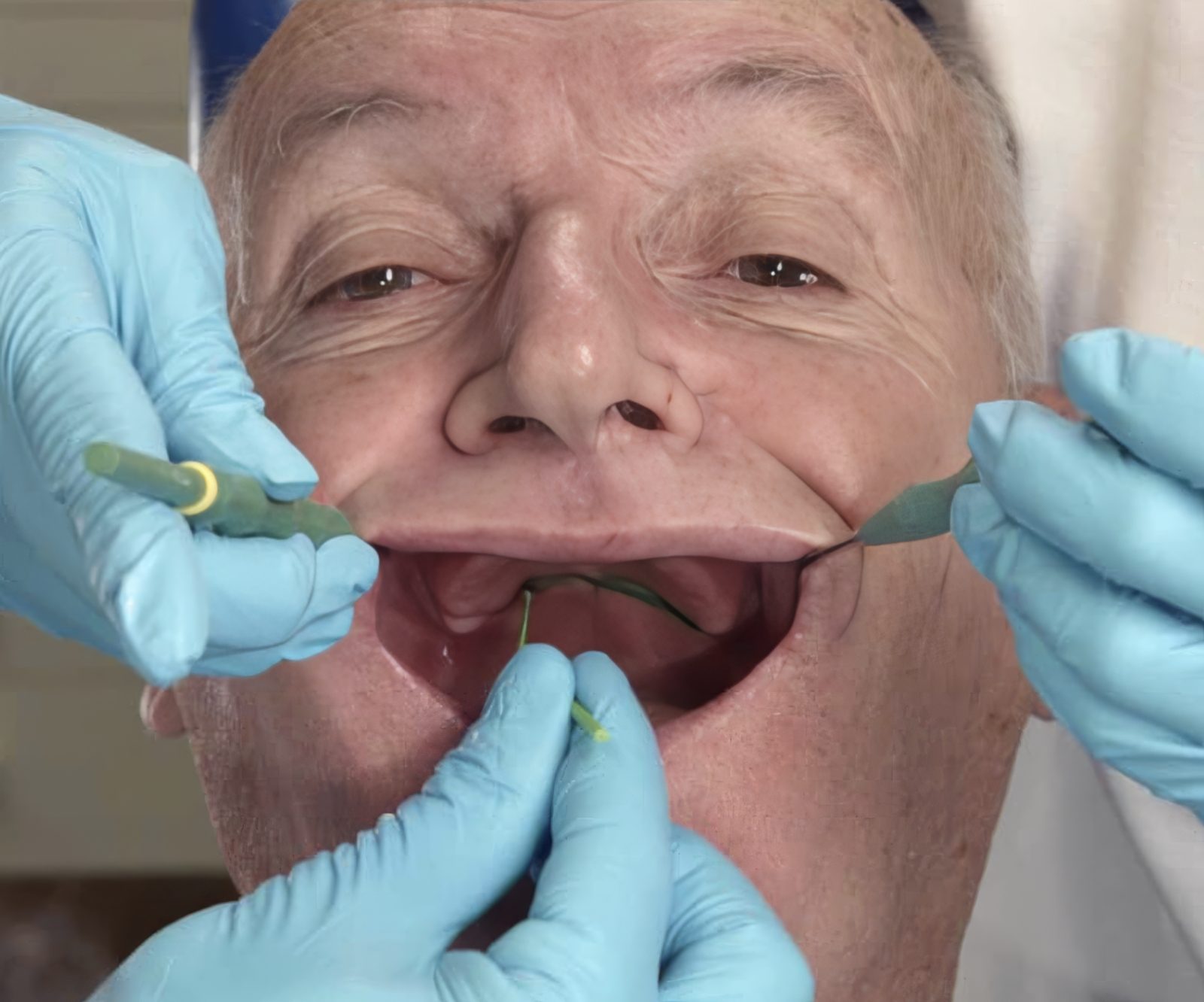
Diagnostic evaluation and treatment planning
A comprehensive evaluation should precede record collection. This includes assessment of ridge anatomy, tissue quality, muscle attachments, interarch space, esthetic requirements, and patient expectations. A history of denture intolerance, neuromuscular challenges, or functional instability should be identified early and communicated to the dental lab.
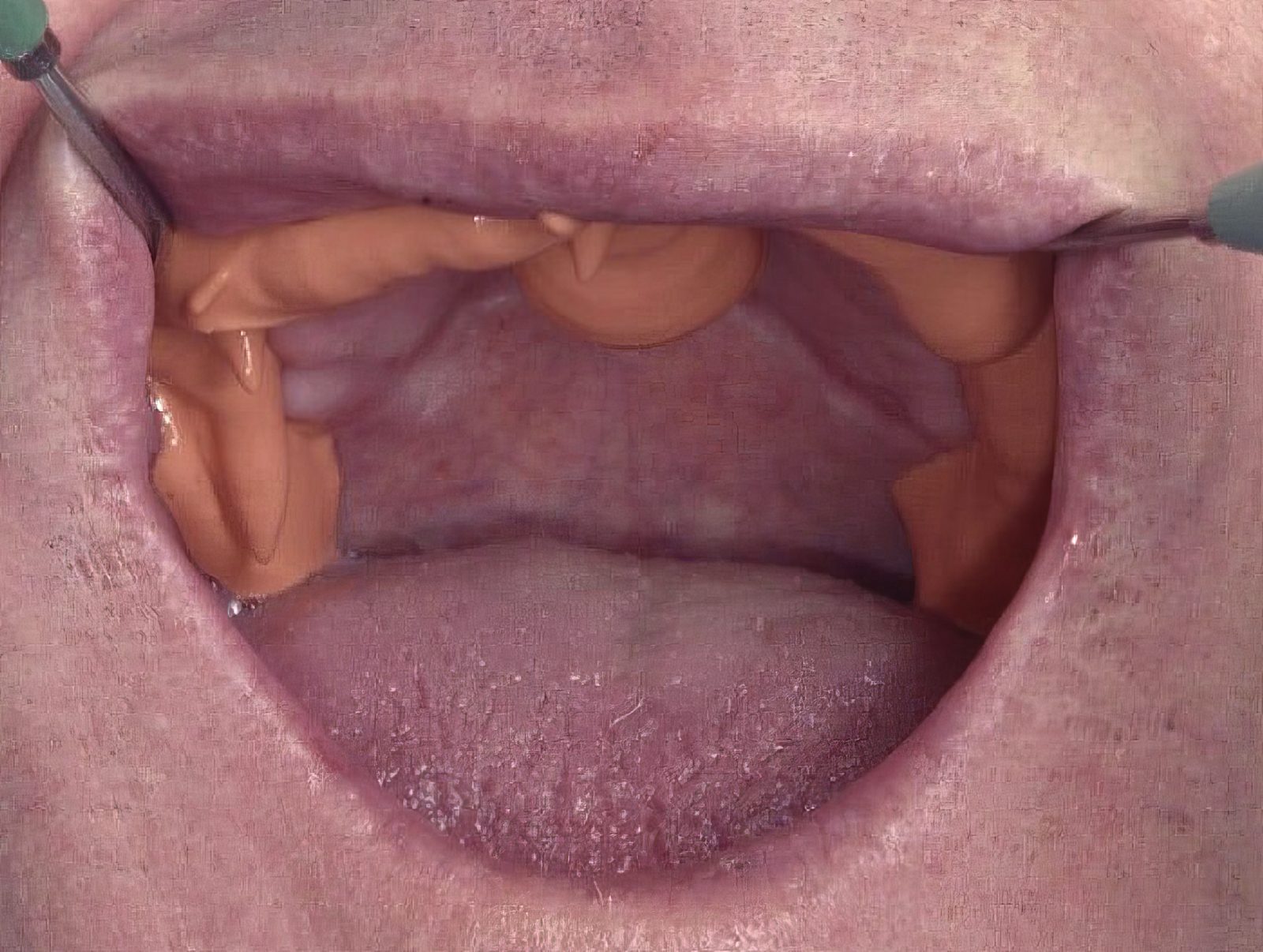
This diagnostic phase determines whether a digital workflow is appropriate and whether additional verification steps are needed.

Definitive impressions
Accurate, definitive impressions remain foundational. The goal is to capture complete denture-bearing anatomy with proper extension and border adaptation.
Dentists may use conventional impression techniques and materials, provided borders and tissue detail are accurately captured. These impressions are later digitized by the laboratory or converted into digital models as part of the workflow.
Digital manufacturing does not compensate for overextended borders, underextension, or distortion. Any inaccuracy at this stage will be reproduced in the final prosthesis.
FREE TO DOWNLOAD – SUCCESS GUIDES
DOWNLOAD A GUIDE
Record bases and occlusion rims
Stable record bases and properly contoured occlusion rims are required to establish jaw relations and esthetic parameters. Record bases must be rigid and stable under function to prevent errors in the vertical dimension or centric relation.
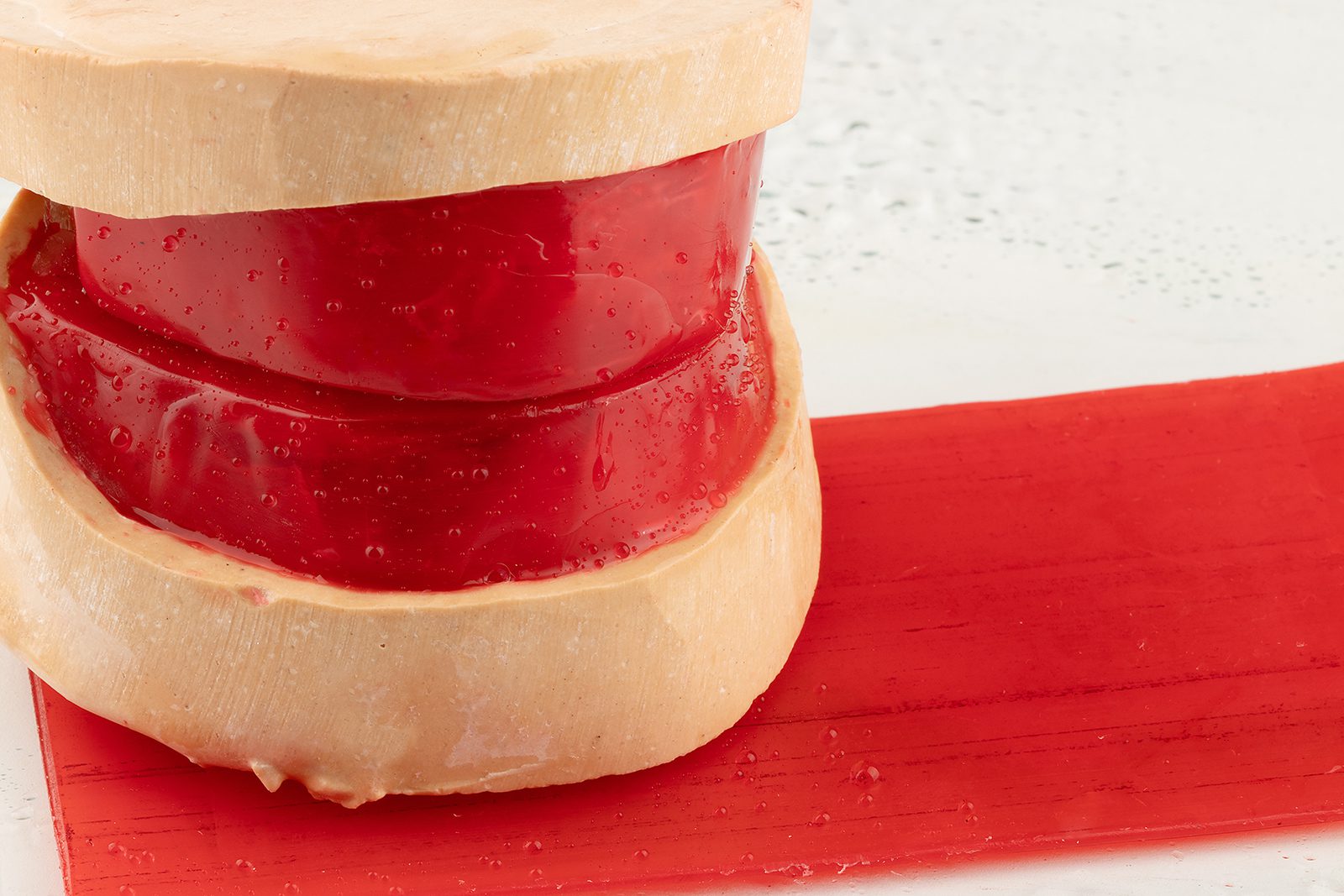
Occlusion rims are used to determine:
These parameters directly inform the digital tooth arrangement during the design phase.
Maxillomandibular relationship records
A repeatable centric relation record is essential. Whether captured using traditional materials or systems designed for digital scanning, the record must be verified for accuracy and stability.
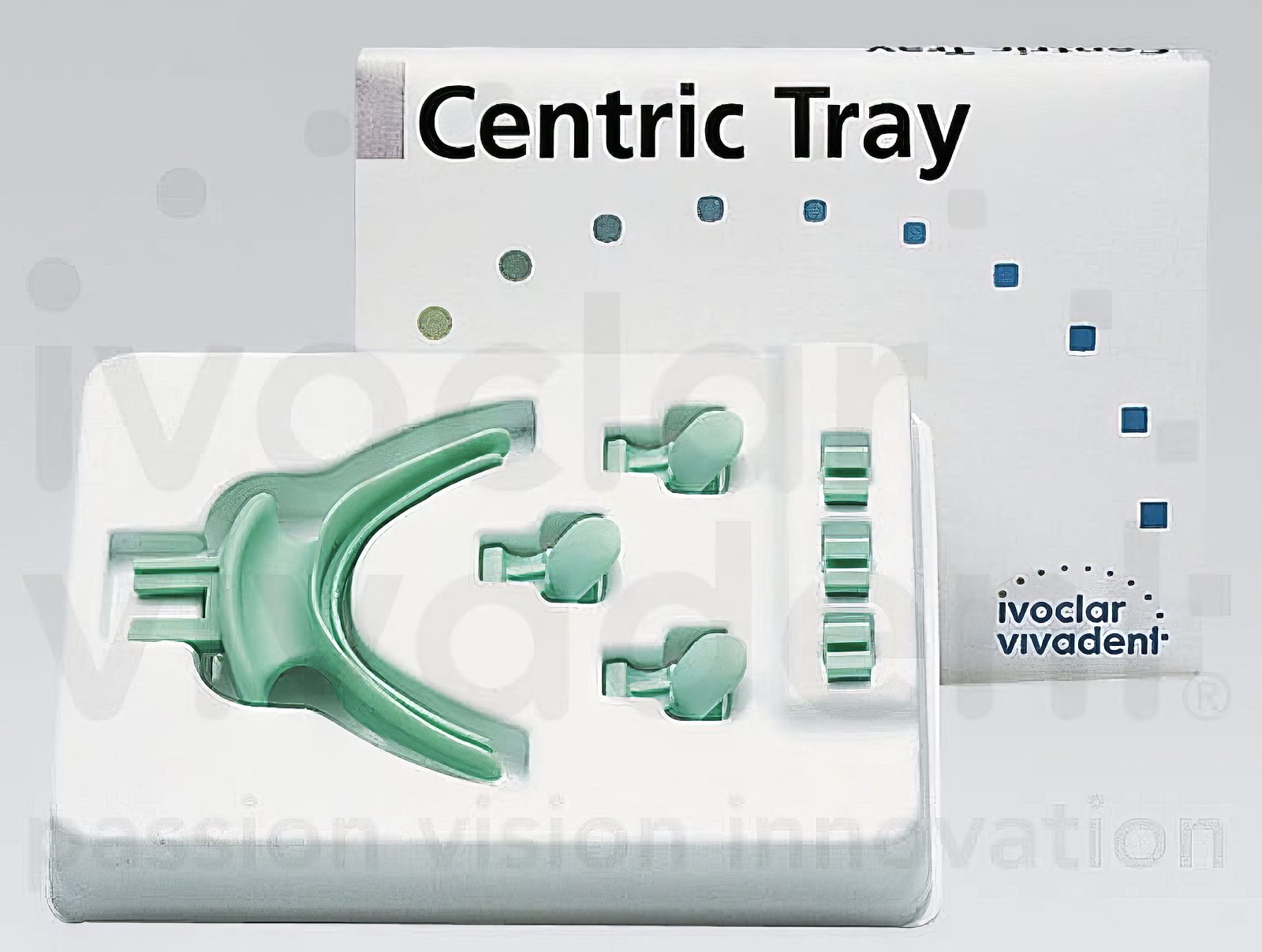
If there is uncertainty regarding centric relation or vertical dimension, the workflow should include a try-in stage before final manufacturing.

Esthetic and functional documentation
Digital design relies heavily on clear instructions. Dentists should provide written and visual documentation, including midline position, desired tooth display, occlusal scheme preferences, shade and mold guidance, and any phonetic or esthetic considerations identified during rim evaluation.
Clinical photographs can further support accurate digital design when available.
Digital design and dental lab collaboration
After records are received, the laboratory designs the denture digitally using CAD software compatible with the Ivoclar system. During this phase, the lab establishes tooth position, occlusal plane, occlusion, and base contours.
This step closely mirrors a conventional wax setup, but it is completed virtually. For dentists, this increases the importance of written prescriptions and communication. Midline, smile line, lip support, occlusal scheme preferences, and esthetic expectations must be clearly conveyed.
One advantage of digital design is repeatability. Once a design is finalized, it can be stored electronically and referenced for remakes or modifications.
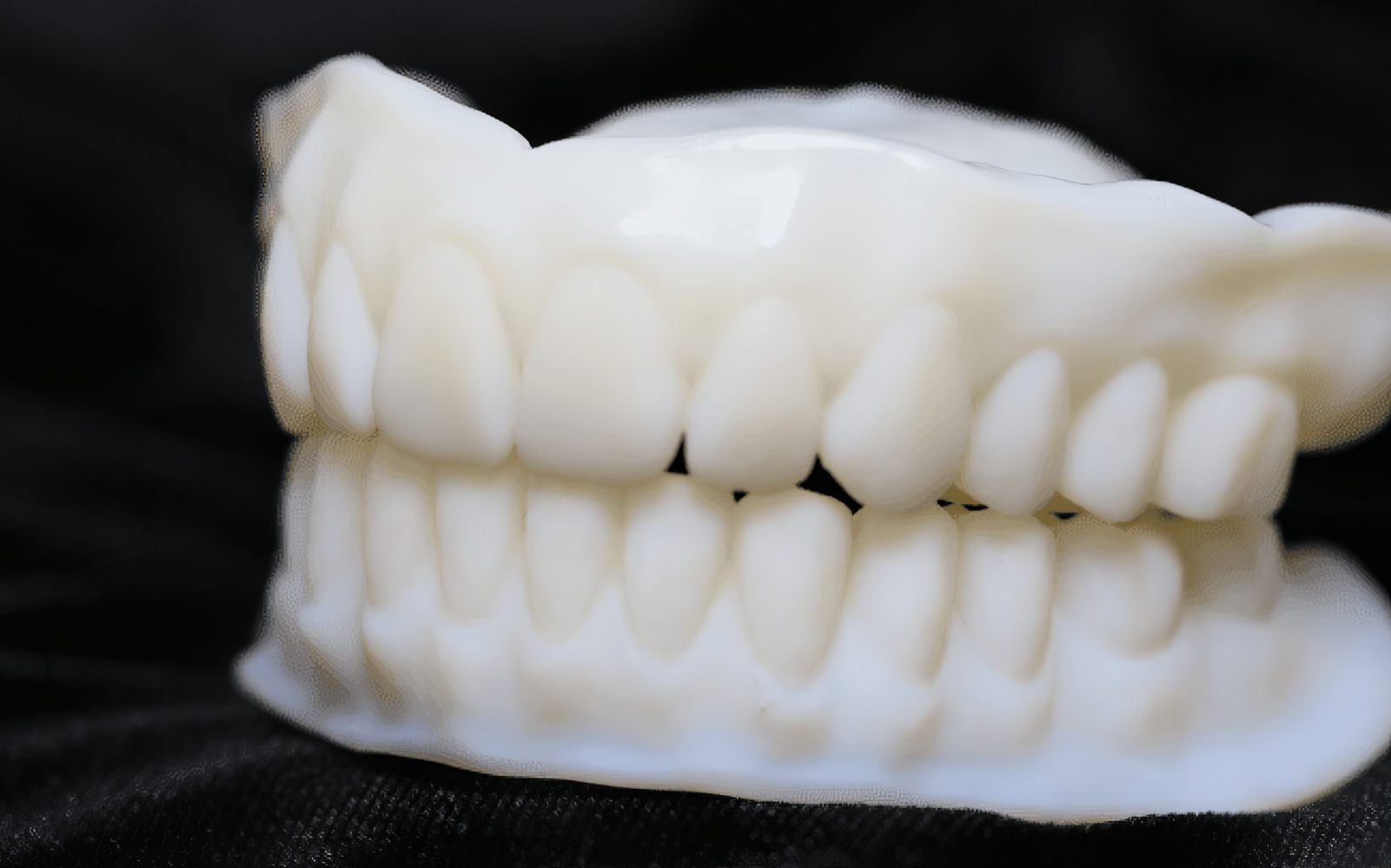
Try-in stage: why it still matters

Ivoclar’s digital denture workflow supports a try-in stage that aligns with traditional complete denture protocols. A try-in remains a critical checkpoint for evaluating:
While some digital systems enable shorter appointment sequences, the best clinical outcomes are achieved when the workflow includes verification steps. For many practices, especially those treating complex or high-expectation patients, the try-in remains an essential risk management step.
Manufacturing with Ivotion: What changes behind the scenes
Once the try-in is approved, the final denture is milled from an Ivotion disc using validated milling systems such as Ivoclar’s PrograMill units.
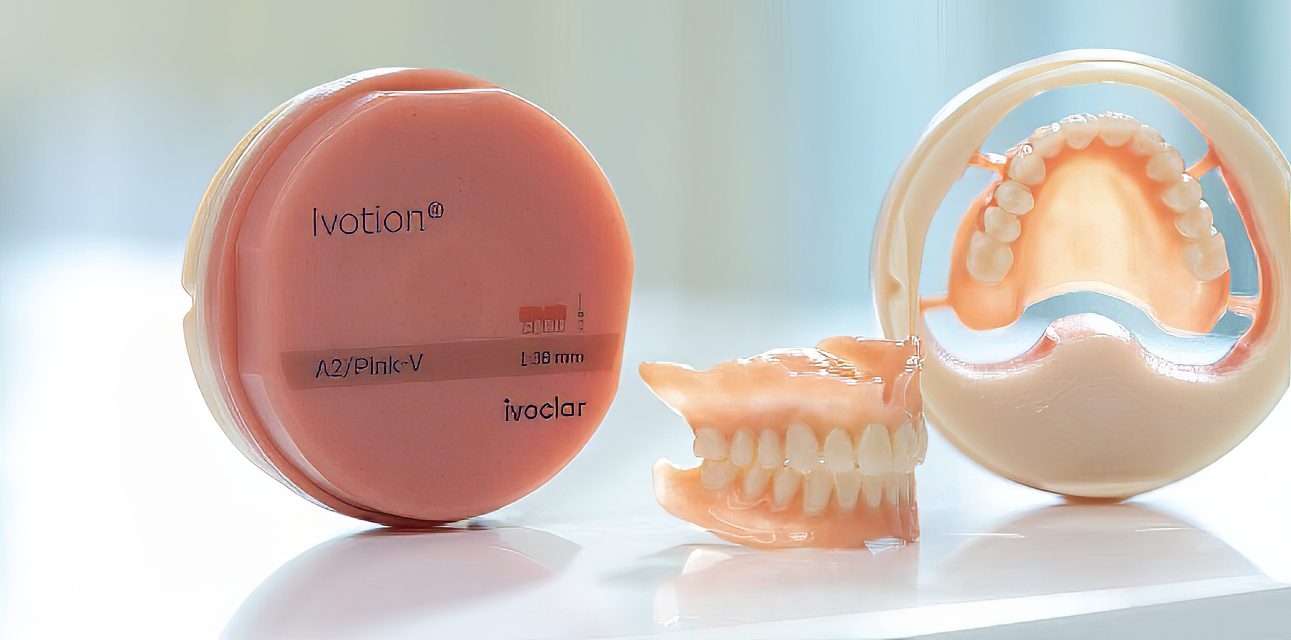
Because the tooth structure and denture base are integrated within the disc, the denture is milled as a single piece. This eliminates the need for bonding denture teeth into a processed base and reduces traditional processing variables associated with analog techniques.
After milling, the denture is finished and polished before delivery. From the dentist’s perspective, the result is a conventionally delivered complete denture produced through a different manufacturing pathway.
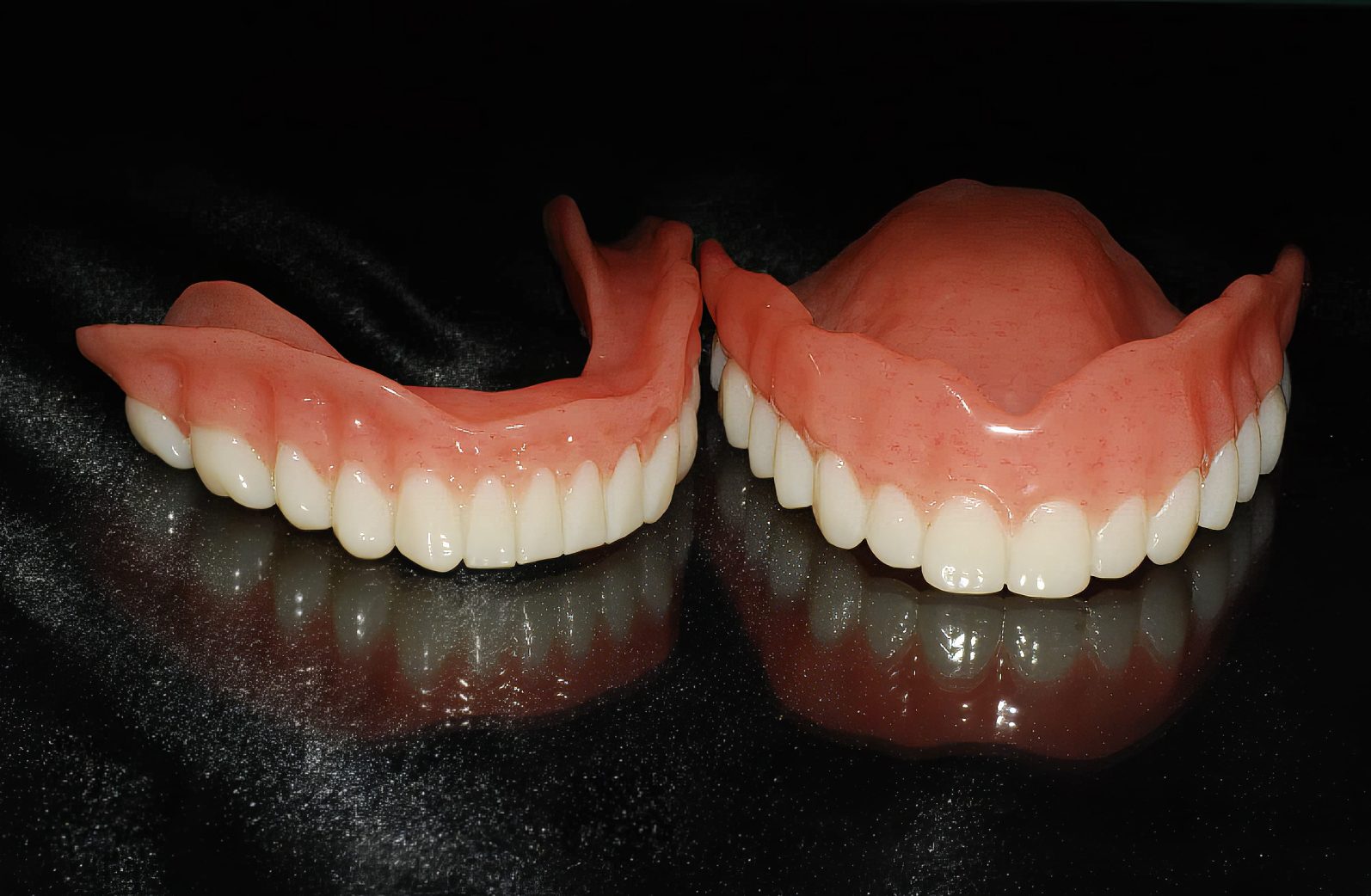
Delivery and digital record advantages
At delivery, clinical steps such as pressure indicator paste, occlusal adjustment, and patient instructions remain unchanged. What differs is the presence of a stored digital design file.
This electronic record retention is a system benefit. If a denture is lost or damaged, the existing design can be used as a starting point for a replacement, subject to clinical evaluation of tissue changes or occlusal considerations.
Indications and case considerations
The Ivotion system is positioned for customized complete dentures across a wide range of clinical presentations. However, as with any system, case selection matters.
Factors to evaluate include:
Ivoclar notes that in certain anatomical situations, such as unusually large arches, alternative processing options may be required.
How this workflow fits into a modern dental practice
For dentists who already provide complete dentures, Ivoclar’s digital workflow represents a shift toward standardized manufacturing and digital continuity rather than a reinvention of clinical care. The primary advantages are:
The primary responsibility remains unchanged, capturing accurate records and guiding the lab with clear clinical intent.
The Ivoclar digital denture workflow is best understood as a digitally supported extension of traditional complete denture treatment, not a replacement for clinical fundamentals. By combining digital design with monolithic milling using Ivotion, the system aims to improve reproducibility and simplify manufacturing while preserving established prosthodontic protocols.
For dentists, success with this workflow depends less on technology adoption and more on accurate records, clear communication, and sound clinical judgment.
FAQ
PRODUCTS


 Previous Post: