


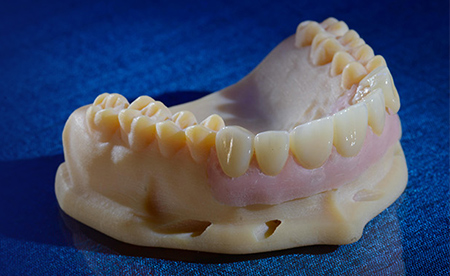


“Across many complex restorative cases, one principle remains consistent: The first step is determining the ideal incisal edge position of the maxillary central incisors.”

REQUEST THE BURBANK DENTAL LAB FEE SCHEDULE
REQUEST FEE SCHEDULE HERE
REQUEST FEE SCHEDULE
Full-mouth rehabilitation is one of the most rewarding areas of advanced restorative dentistry, but many dentists still hesitate when deciding on the initial clinical step. The process becomes far more manageable when a clear diagnostic sequence is paired with an actual case example. In this article, we will follow the treatment approach used in a complex restorative case by Dr. Mark Tyma, DMD, and use his case as a guide to explain how to begin a full mouth rehabilitation with confidence and predictability.
The patient in Dr. Tyma’s case required a full-mouth reconstruction supported by a comprehensive diagnostic wax-up. The clinical success began with one question central to facially generated treatment planning:
Where should the maxillary central incisors be positioned in the face?
Each step of the rehabilitation process flowed logically from this starting point.
Establishing the Diagnostic Framework
Full-mouth rehabilitation depends on evaluating four foundational categories:
For this discussion, we focus on esthetics and function, as they guided the wax-up in Dr. Tyma’s case.
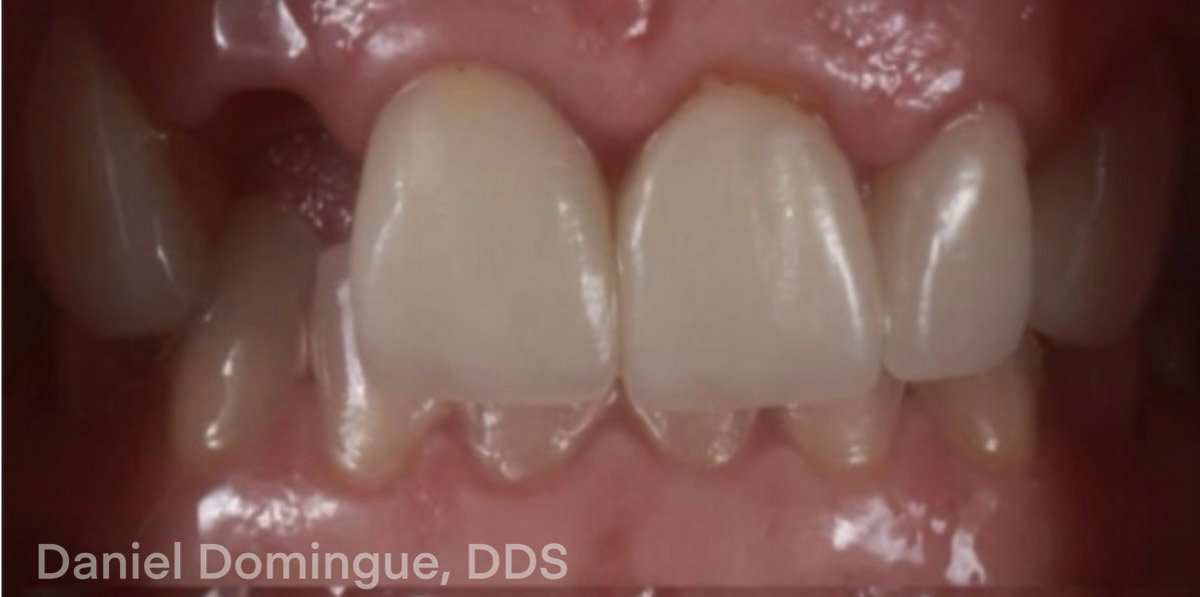
Before any restorative decisions were made, photographs revealed two essential findings:
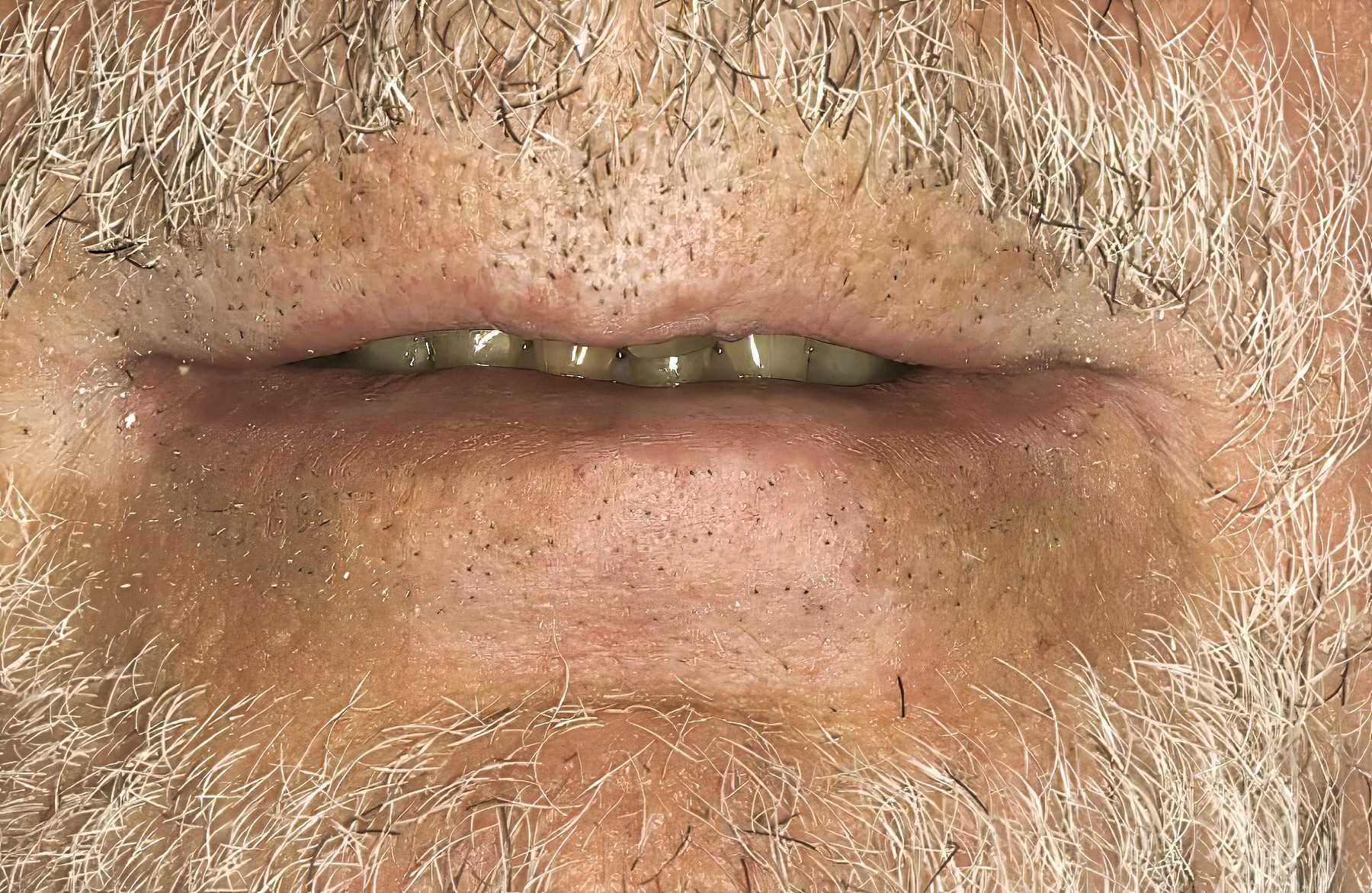
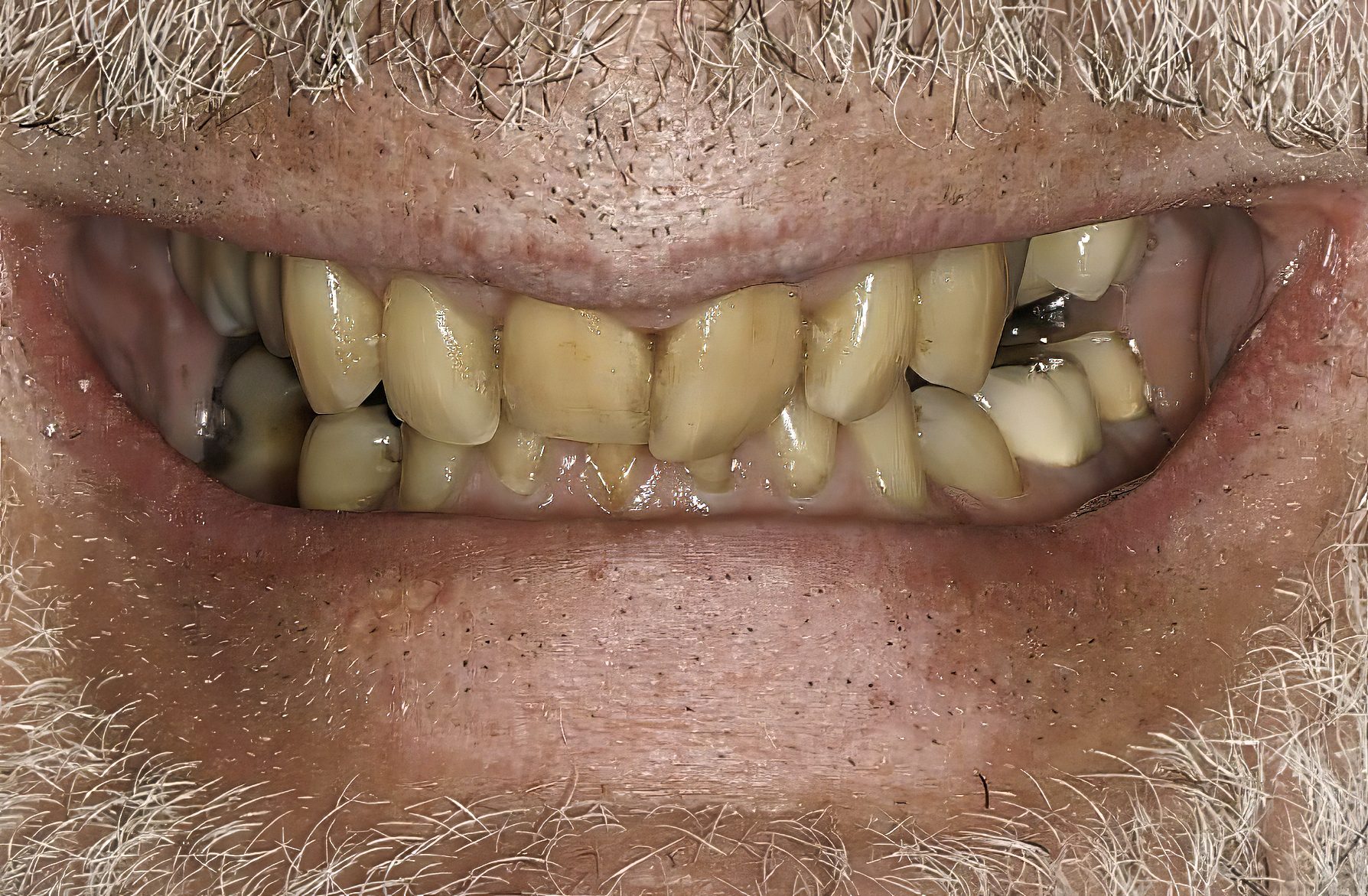
These observations shaped the esthetic analysis and guided the first modification in the wax-up.
Speak to Technical Support
Call us at
Esthetic Evaluation Guided
by the Case
Evaluating and establishing the correct position of the maxillary central incisors is one of the most critical steps in planning a full-mouth rehabilitation. These teeth determine the patient’s smile line, guide phonetics, influence occlusal design, and anchor every esthetic and functional decision that follows.
In cases like Dr. Tyma’s, the corrected length and inclination of the central incisors provided the reference point for the entire wax-up. Standards typically evaluated include incisal display at rest, which averages one to three millimeters, and full-smile display, which generally reveals seven to eleven millimeters of tooth and tissue.
The ideal central incisor length is often between 9.5 and 11 millimeters with slight gingival display during a natural smile. Evaluating these relationships early ensures the wax-up supports proper esthetics, balanced occlusal contacts, and long-term stability, making the central incisors the true starting point for predictable full-mouth reconstruction.
Key esthetic factors reviewed in this case included:
How the Case Informed the Esthetic Plan
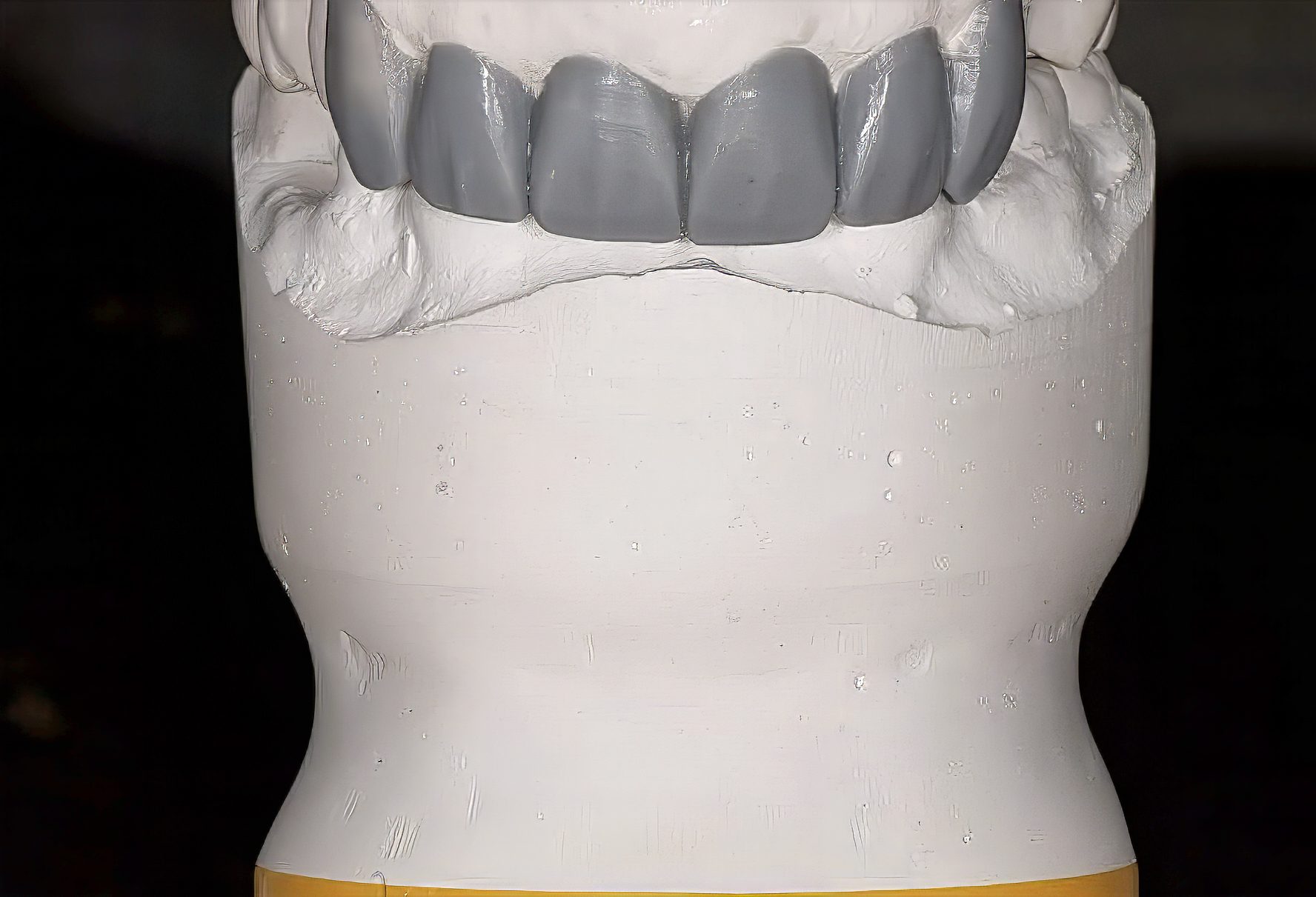
In the wax-up, the central incisors were lengthened by about two millimeters, and the anterior segment was proclined. Establishing this ideal incisal edge position allowed the maxillary occlusal plane to be designed around a stable, esthetic reference point.
Every subsequent decision in the case—posterior contours, gingival levels, ceramic selection—was structured around this initial correction.
Functional Evaluation Integrated
with the Case
Function is inseparable from esthetics in full-mouth reconstruction. Once the new anterior tooth position was set, functional requirements shaped the occlusal relationships in both arches.
In the case study, Dr. Tyma evaluated:
Because the new incisal edge position required additional space, the bite was opened two millimeters. This adjustment created room to level the lower occlusal plane and support balanced anterior guidance.
Mandibular Wax-Up Decisions
After the maxillary wax-up was completed, the lower teeth were waxed in relation to the new upper arch. The mandibular incisors were slightly retroclined in their incisal thirds and lengthened to create a more stable functional relationship with the revised maxillary anteriors.
These changes directly reflected the functional requirements revealed in the case.
Speak to Technical Support
Call us at
Integrating Digital Wax-Ups Into The Planning Process
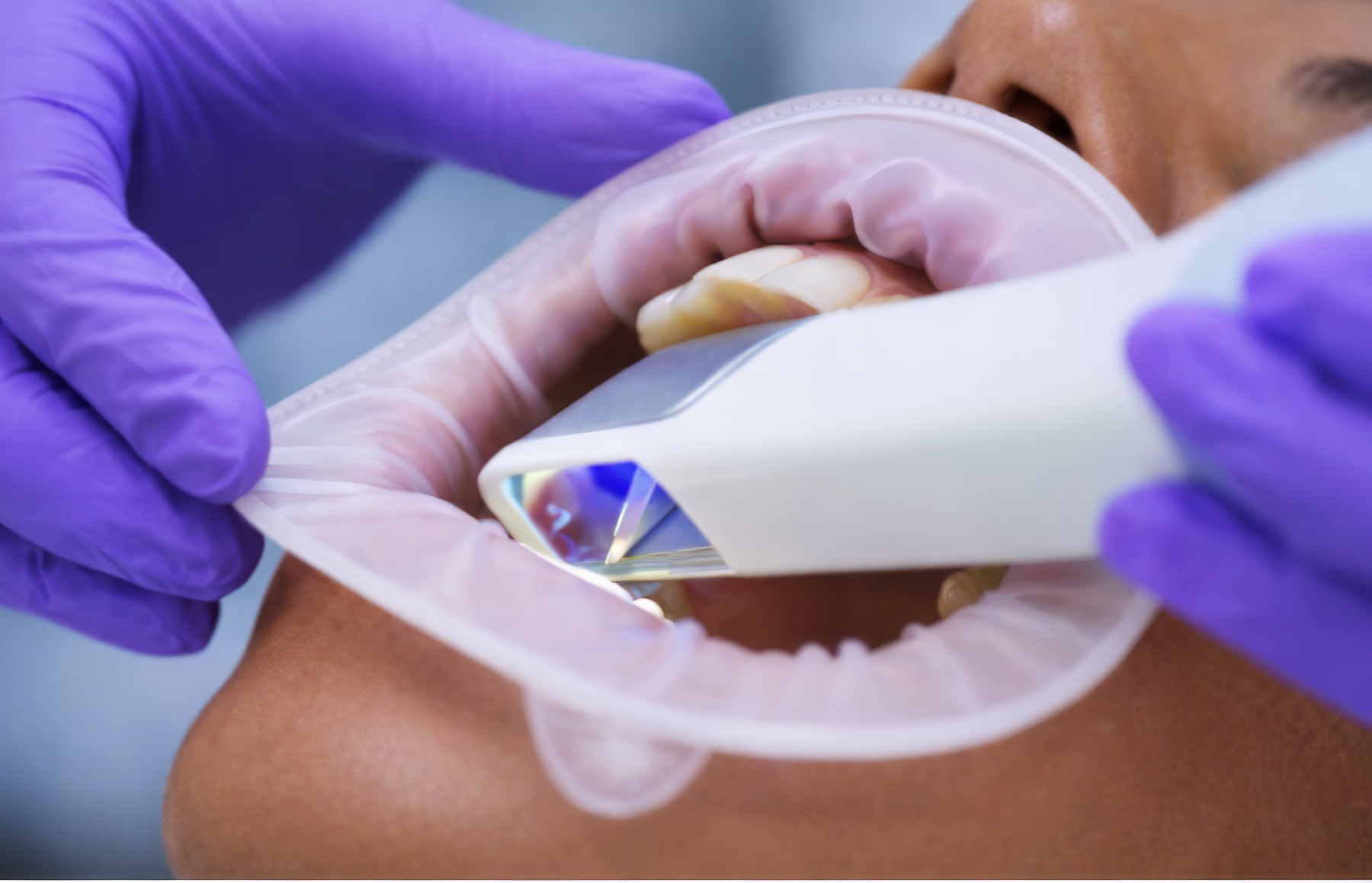
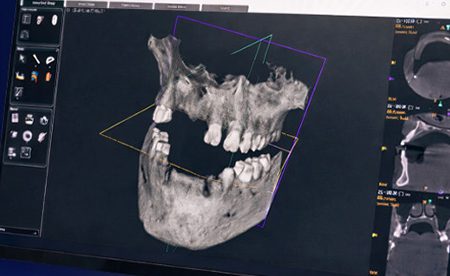
Many dentists now rely on digital waxups to improve precision and communication during full mouth rehabilitation. In cases like Dr. Tyma’s, a digital waxup allows the clinical team to visualize tooth position, occlusal relationships, and the final esthetic outcome before preparing any teeth.
Digital waxups also provide:
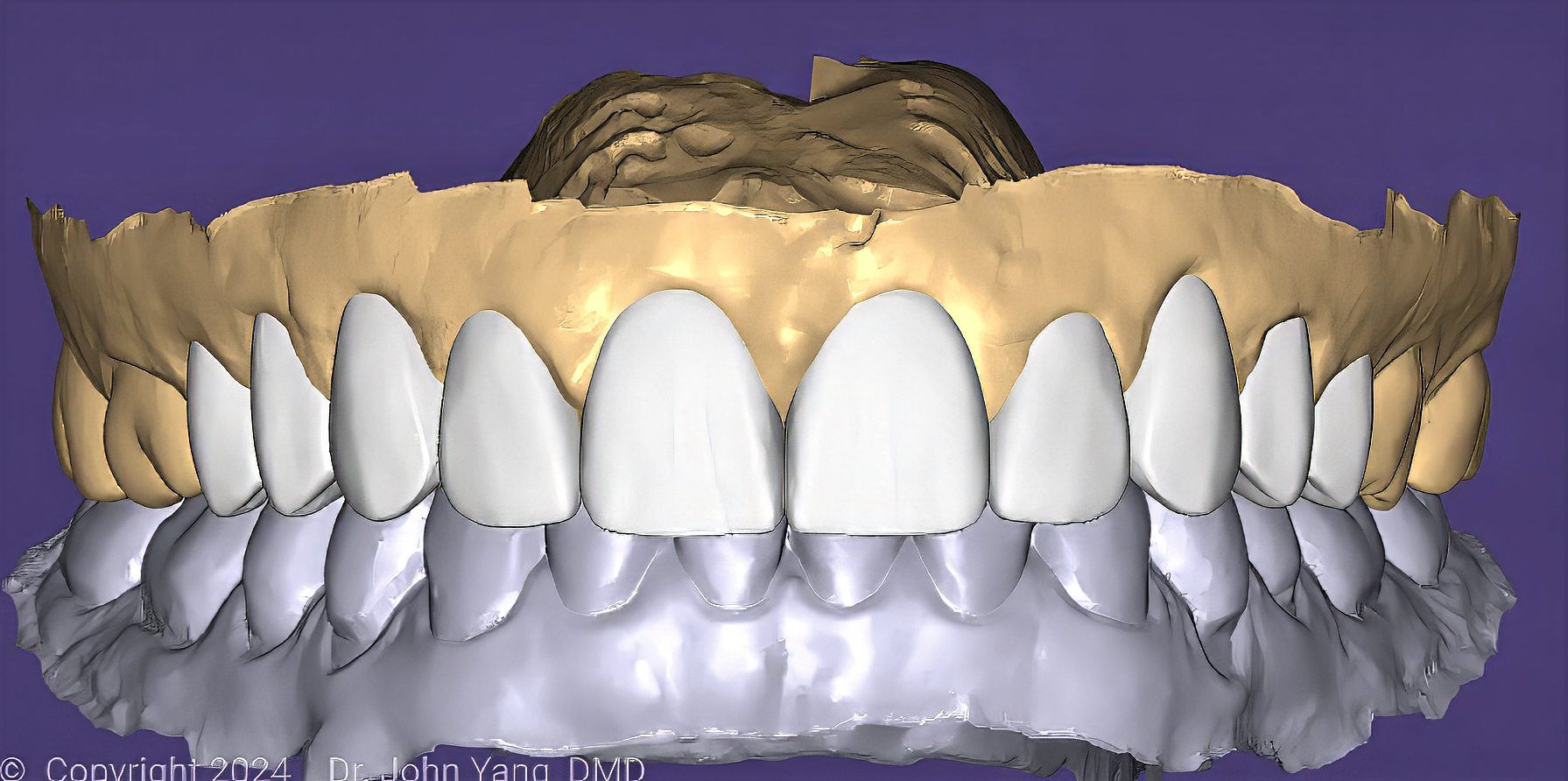
Click here for more information on using digital wax-ups.
FREE TO DOWNLOAD – SUCCESS GUIDES
DOWNLOAD A GUIDE
Provisionals
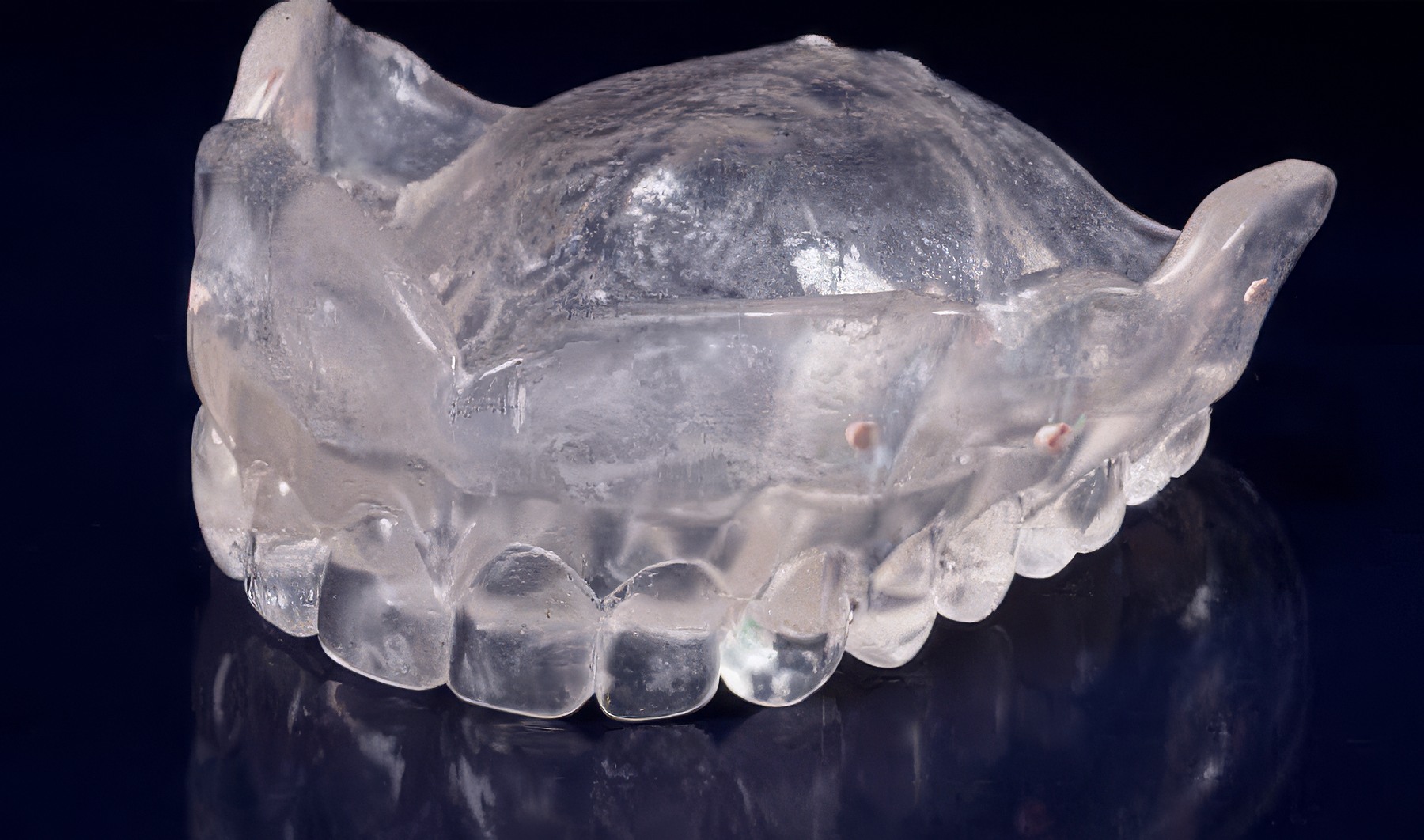
Once the diagnostic wax-up was completed, it served as the template for creating provisionals that matched the planned esthetic and functional design. These provisionals play a central role in full-mouth rehabilitation because they allow the dentist to evaluate tooth position, occlusal contacts, phonetics, vertical dimension, and gingival response in real time before proceeding to final ceramic restorations.
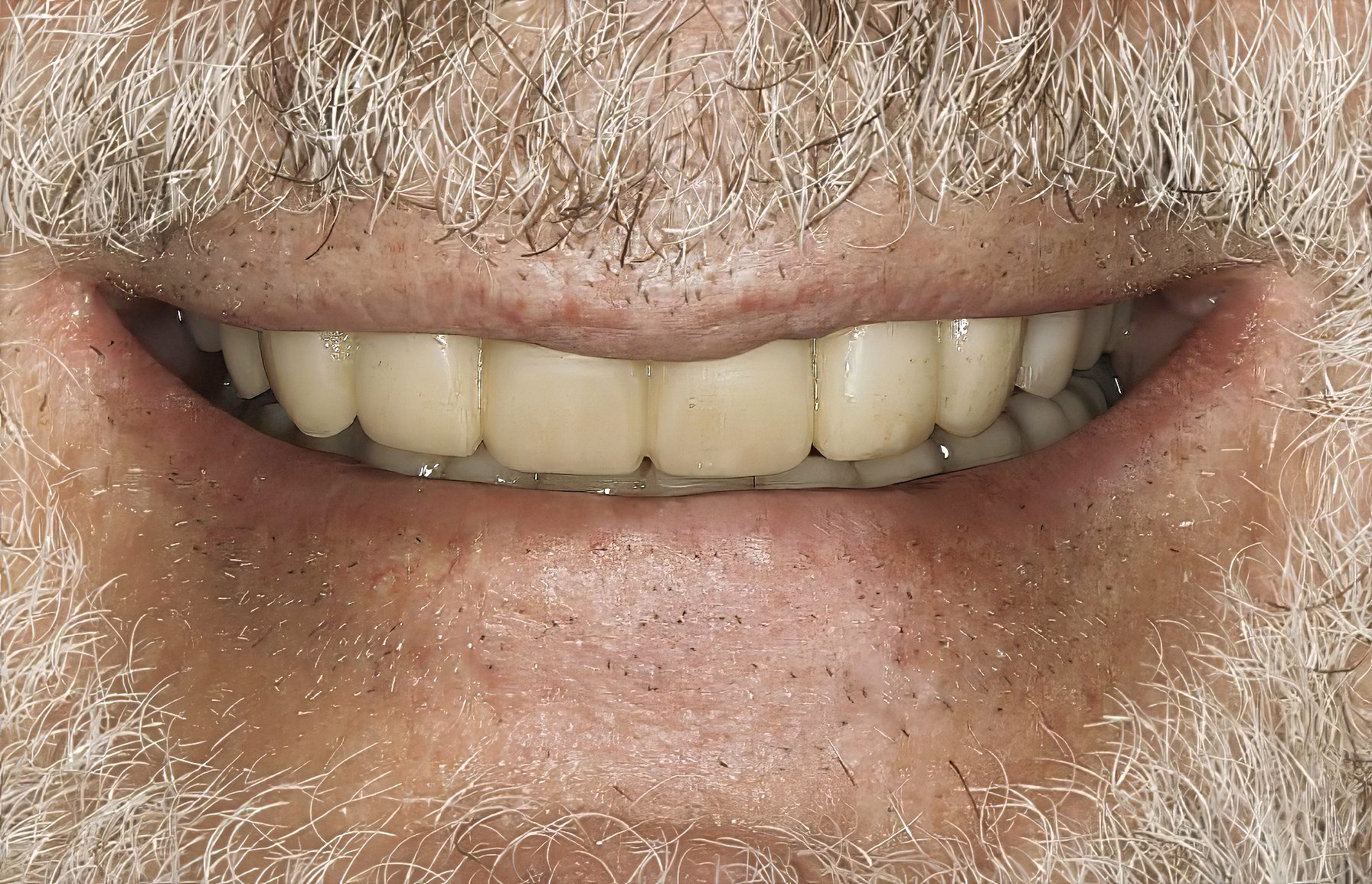
In the case discussed, the wax-up guided the chairside fabrication of provisionals that reflected the corrected incisal edge position, the updated occlusal plane, and the planned changes to both arches. Wearing the provisionals allowed the patient and clinician to confirm esthetic harmony and functional stability, ensuring that the final restorations would accurately reflect the treatment goals established during the planning phase.
BURBANK DENTAL
LAB WAS VOTED
TOP 5 DENTAL LABS
IN AMERICA
SOURCE: DENTAL COUNTRY™
Restorative Execution in the Case
Dr. Tyma’s case included:
Each restorative choice was driven by the foundational decisions made at the start of the waxup. By evaluating the patient’s smile first, we established that the patient had no teeth in repose. This gave a clear starting point which then lead to verifying the occlusal plane, vertical dimension, and anterior tooth form. These steps created a restorative sequence that all aligned predictably.
In many complex restorative cases, one principle remains consistent: the first step is to determine the ideal incisal edge position of the maxillary central incisors.
This single diagnostic decision guided the success of Dr. Tyma’s case and consistently provides clarity for dentists beginning full-mouth rehabilitation.
Once the position of the central incisors is defined, clinicians can establish:
Starting with this measurement brings order to even the most complex restorative plans. Burbank Dental Lab partners with clinicians on full-mouth rehabilitation cases and provides diagnostic and digital wax-ups, as well as restorative planning support when needed.
Thank you.
Burbank Dental Lab extends sincere gratitude to Dr. Mark Tyma, DMD, of Trachtenberg, Bullock, & Blessington Center for Contemporary Dental Health in Doylestown, PA, for generously sharing his case study and clinical insights for this article.
A Temple University School of Dentistry graduate and recipient of the Arthur W. Gage Award, Dr. Tyma brings decades of dedication to restorative and cosmetic excellence.
Dr. Tyma has made significant contributions to dental education through publications in the Compendium of Continuing Education in Dentistry and through his role as a visiting faculty member for Spear Education. We are honored to collaborate with clinicians like him who elevate the standard of care.
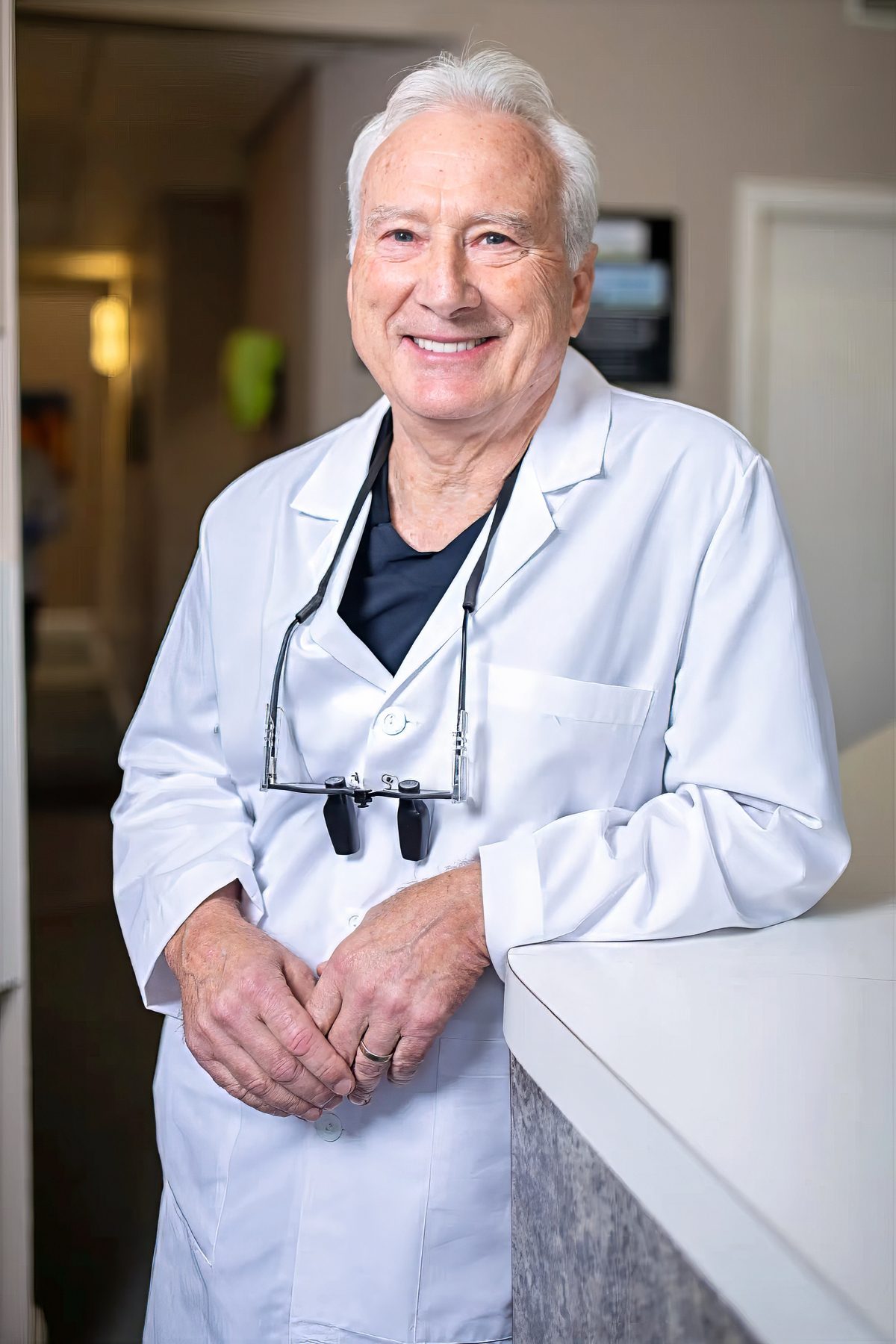
Dr. Mark Tyma, DDS

Speak to Technical Support
Call us at
Complex cases don’t require
complex starting points
— just the right one.
FAQ


 Previous Post: