




Artificial Intelligence
Artificial Intelligence (AI) is not a new concept, but its integration into various aspects of our daily lives and professional industries is transformative. Defined as the capability of a machine to imitate intelligent human behavior, AI’s potential in healthcare, specifically dentistry, is vast and still expanding. Burbank Dental Lab is known as an early adopter when it comes to implementing new technologies into our business and manufacturing workflows, and AI technologies are no exception.
Diagnostic and Treatment Planning
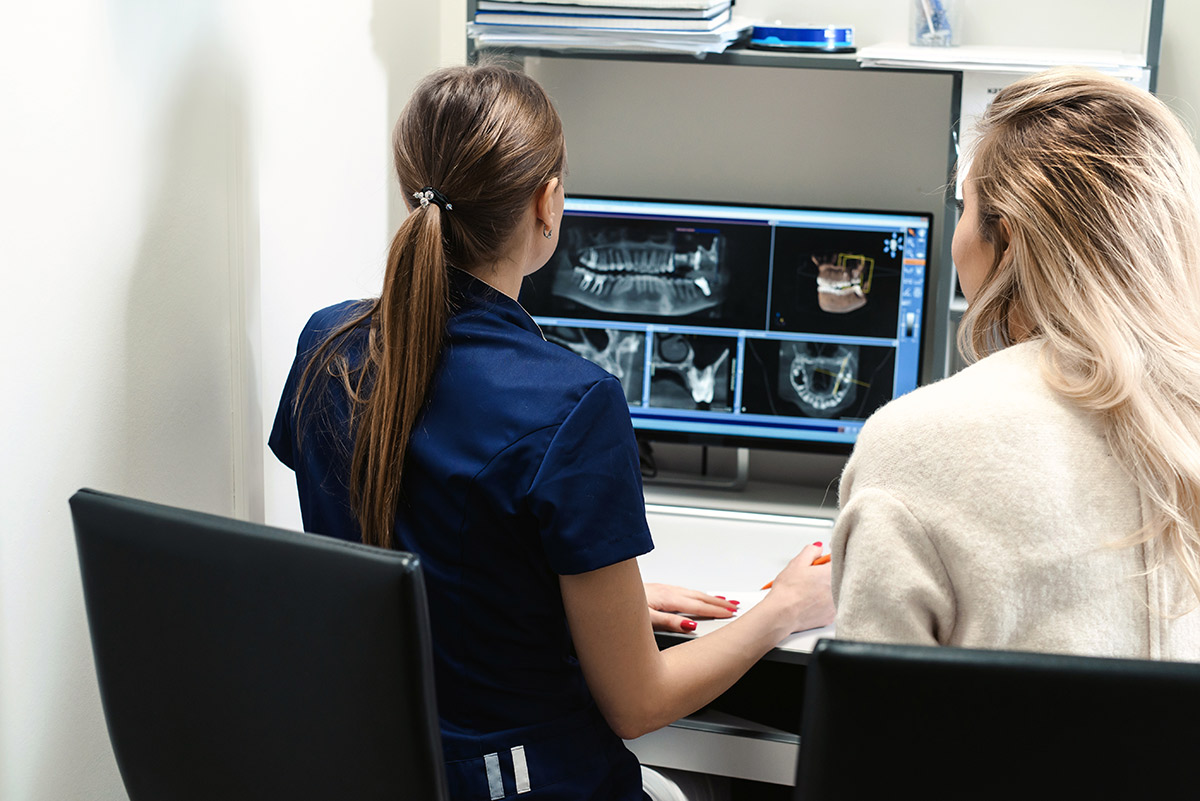
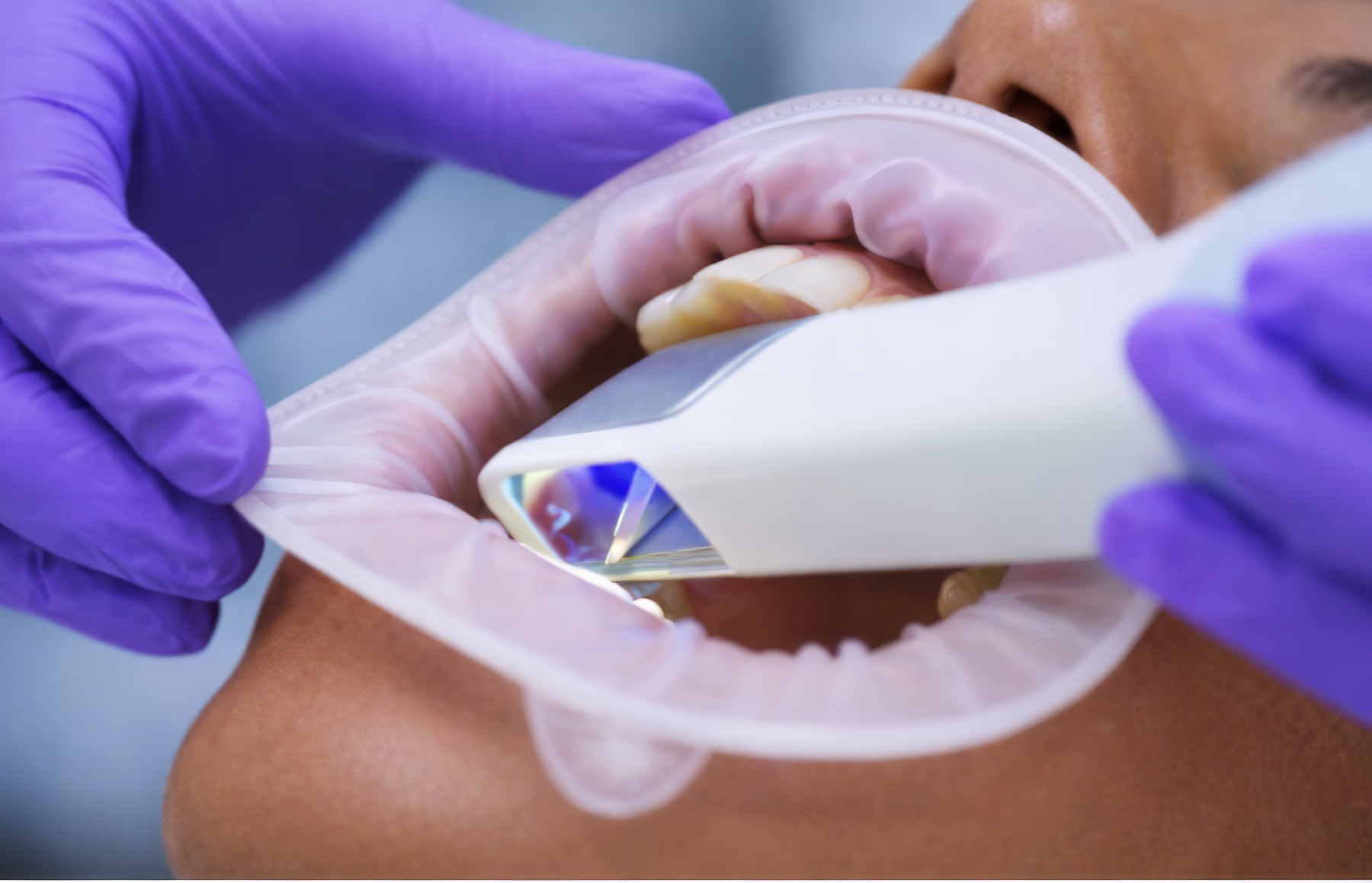
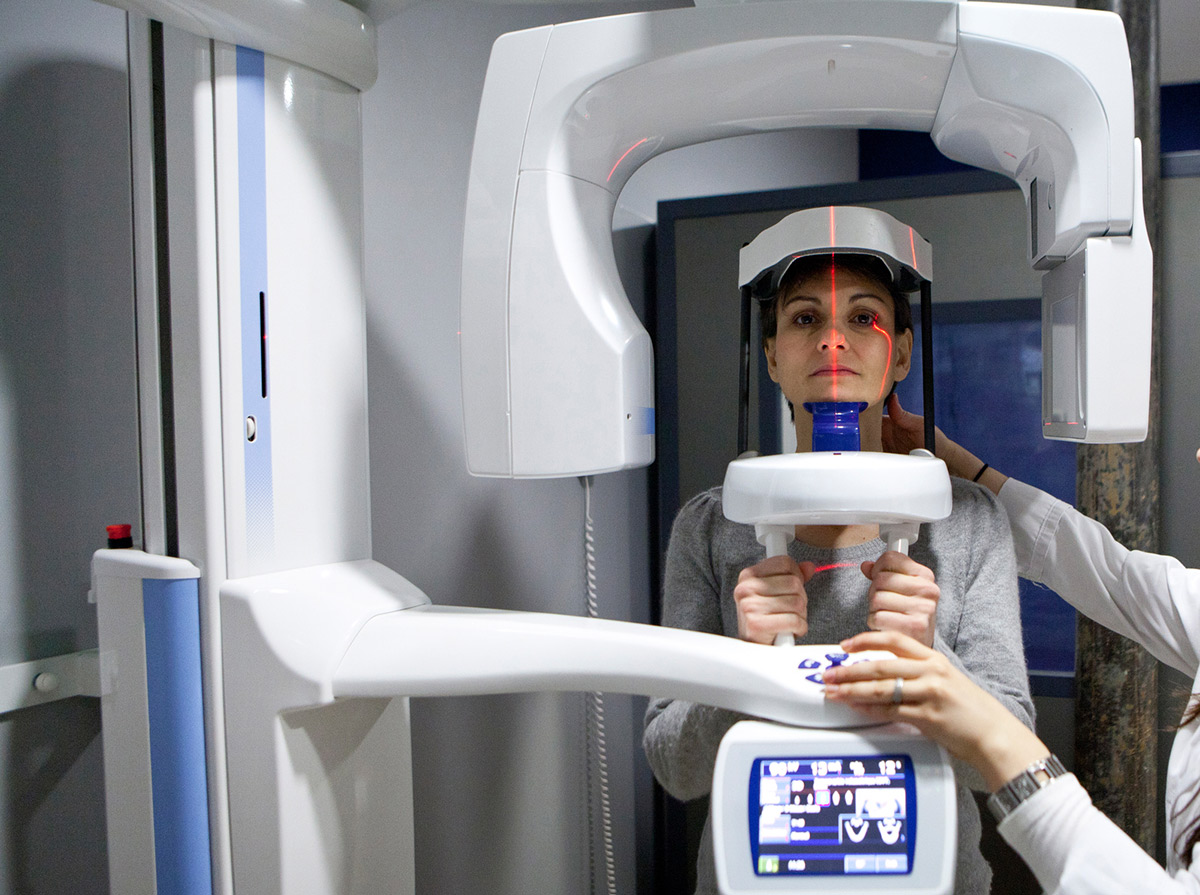
One of the uses of AI in dentistry is to help with diagnostics and planning. AI, in conjunction with machine learning algorithms, can assist in diagnosing oral diseases by analyzing digital images such as radiographs and intraoral scans. These algorithms can detect patterns and anomalies, reducing human error and enhancing diagnostic accuracy. For instance, AI can assist in detecting caries, periodontal diseases, or oral cancers at an early stage, thereby improving patient outcomes.
Moreover, AI applications in treatment planning can help dentists predict the most effective treatment options based on the patient’s unique dental structure and disease patterns. For instance, AI can analyze orthodontic models to predict the outcome of treatment strategies, helping clinicians make more informed decisions.
Patient Engagement and Management

AI can also help improve patient engagement and management through automated reminders, virtual dental consultations, and AI-driven apps. Chatbots powered by AI can provide 24/7 patient support, answer common queries, and schedule appointments, thereby increasing practice efficiency and patient satisfaction.
Dental Surgery Using Robotic Technology
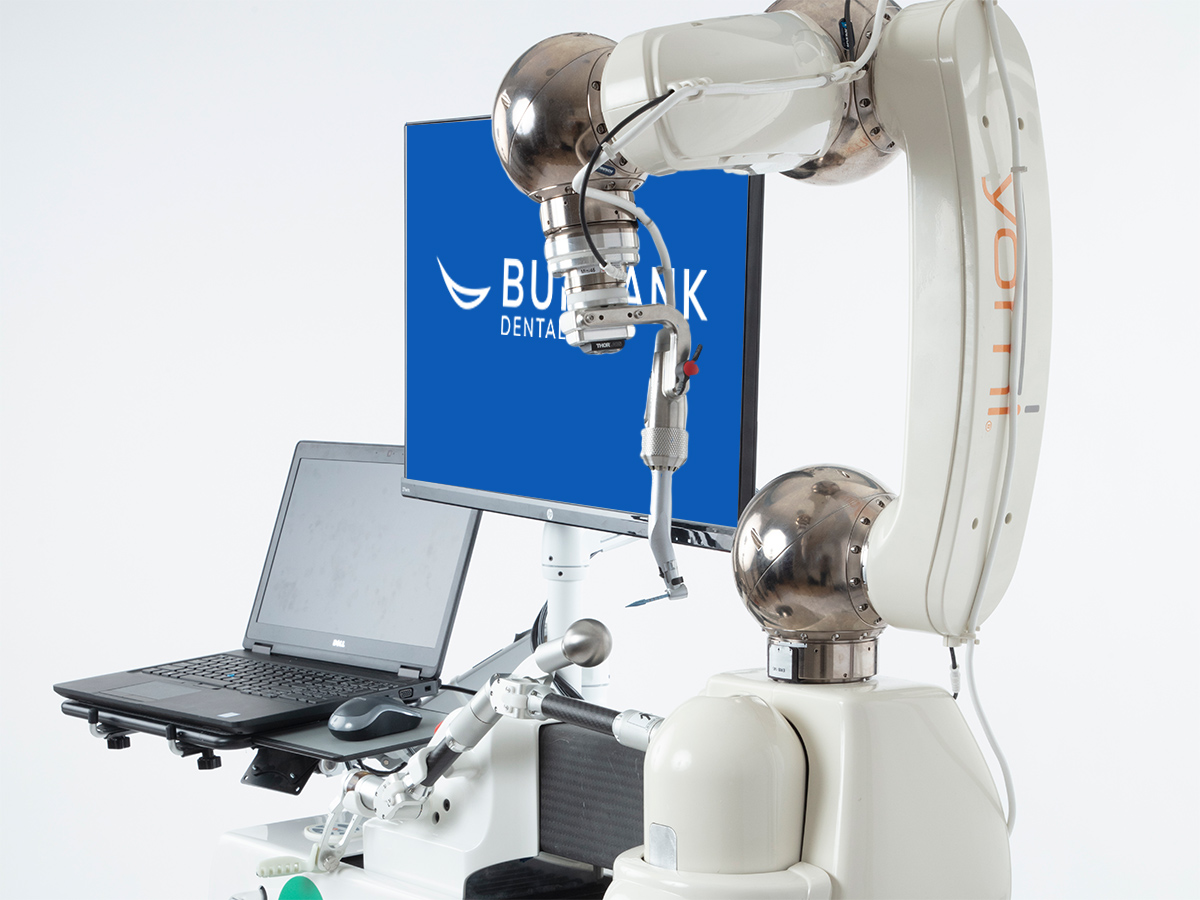
One of the most exciting technologies is the use of AI in the area of Robotic-assisted guided surgery. This has been a life-changing force in the field of dentistry, offering a higher degree of accuracy and predictability in oral surgical procedures. By utilizing advanced robotic systems, dental professionals can plan and execute complex procedures such as implant placement with a precision that far surpasses traditional methods.
These systems provide 3D visualization and guidance, ensuring implants are placed with optimal position, angle, and depth, thus improving patient outcomes and reducing potential postoperative complications. This technology can also lead to less invasive procedures and faster recovery times.
YOMI Robotic System by Neocis
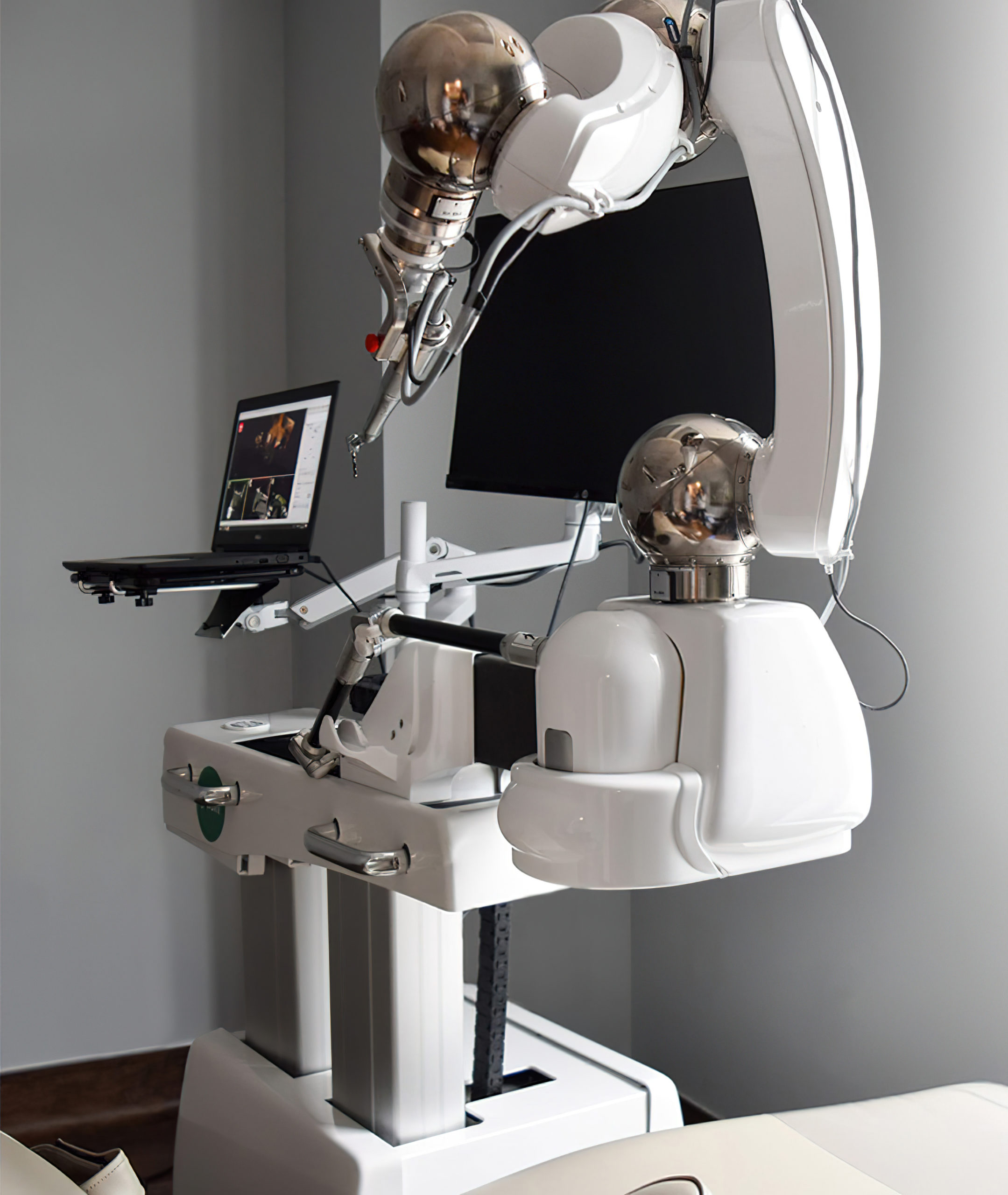
One such robotic system used in dental surgery is the Yomi robotic system by Neocis. Burbank Dental Lab had the opportunity to experience this technology at a live demonstration. This system is specifically designed to enhance implant dentistry. Yomi provides computerized navigation to assist in both the planning (pre-operative) and the placement (intra-operative) stages of dental implant surgery.
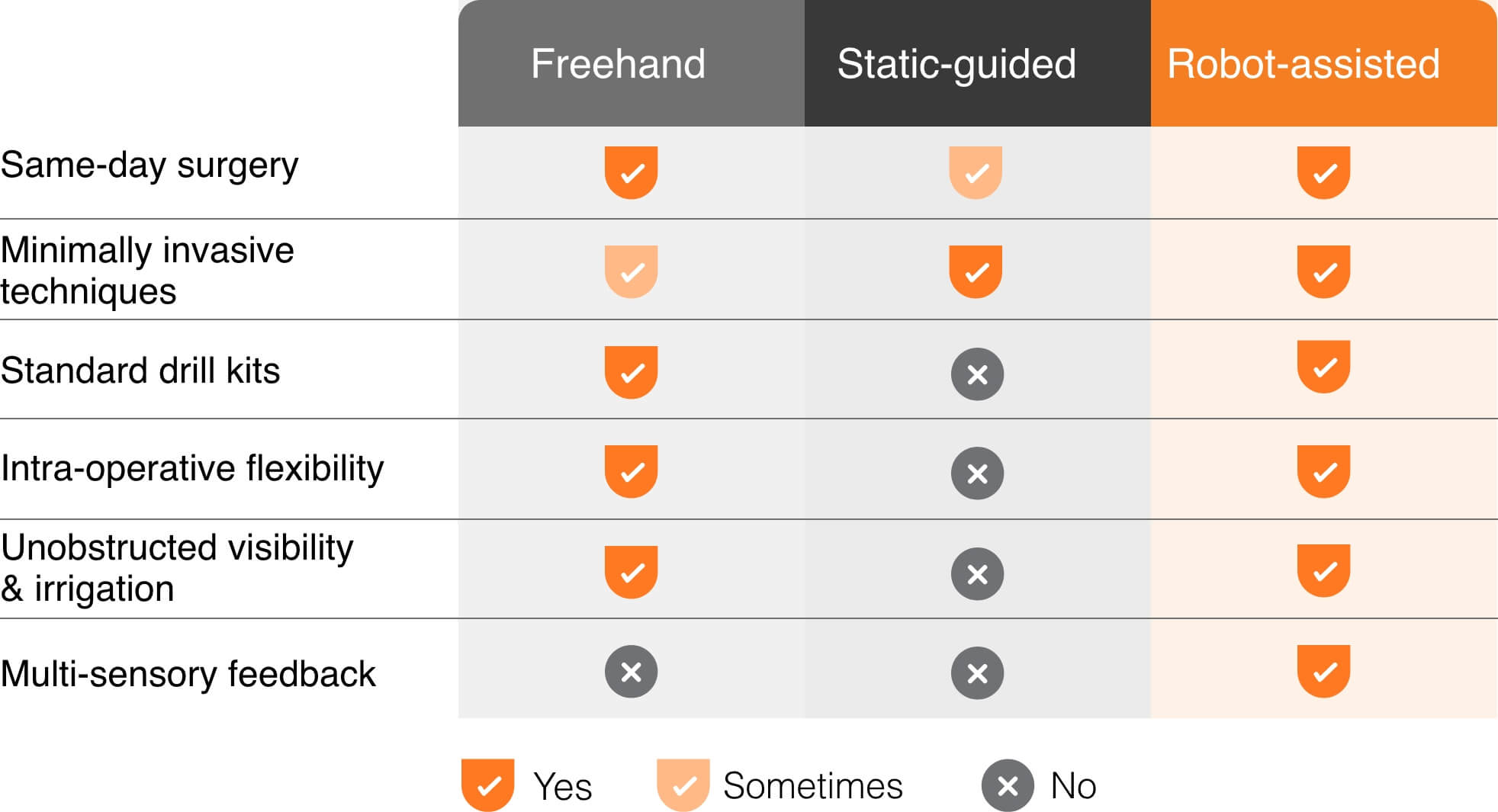
The system offers haptic guidance, which means it gives physical feedback to the dentist during the procedure, ensuring that the implant is placed according to the pre-approved surgical plan.
Yomi allows the dental surgeon to retain full control over the surgery, but the robot provides real-time visual and tactile guidance to optimize the accuracy of implant placement. Its design and capability to provide minimally invasive treatment options represent a significant leap forward in the field of dental surgery, aligning with the growing trend towards personalized, digitally enabled healthcare. Yomi is the first FDA-cleared robotic device for dental implant surgery.

Dental Surgery Using Robotic Technology – (Continued)
YOMI Workflow
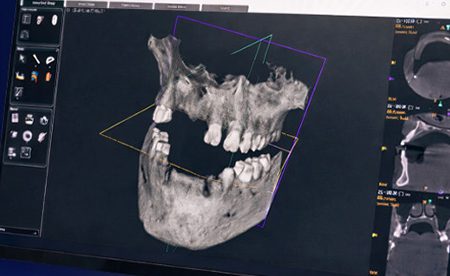
The workflow of the Yomi Robotic System is divided into two primary stages: planning and execution. Initially, the dentist uses a CT scan of the patient’s mouth to create a personalized surgical plan within the Yomi software. This plan delineates the precise position, angle, and depth at which the dental implants will be placed. This is a highly interactive process, enabling the dentist to consider various scenarios and choose the most appropriate one for the patient.
Once the plan is established, the patient’s surgery is performed using the Yomi robotic device. The device provides physical cues to guide the dentist, helping them stay within the parameters set out in the surgical plan.
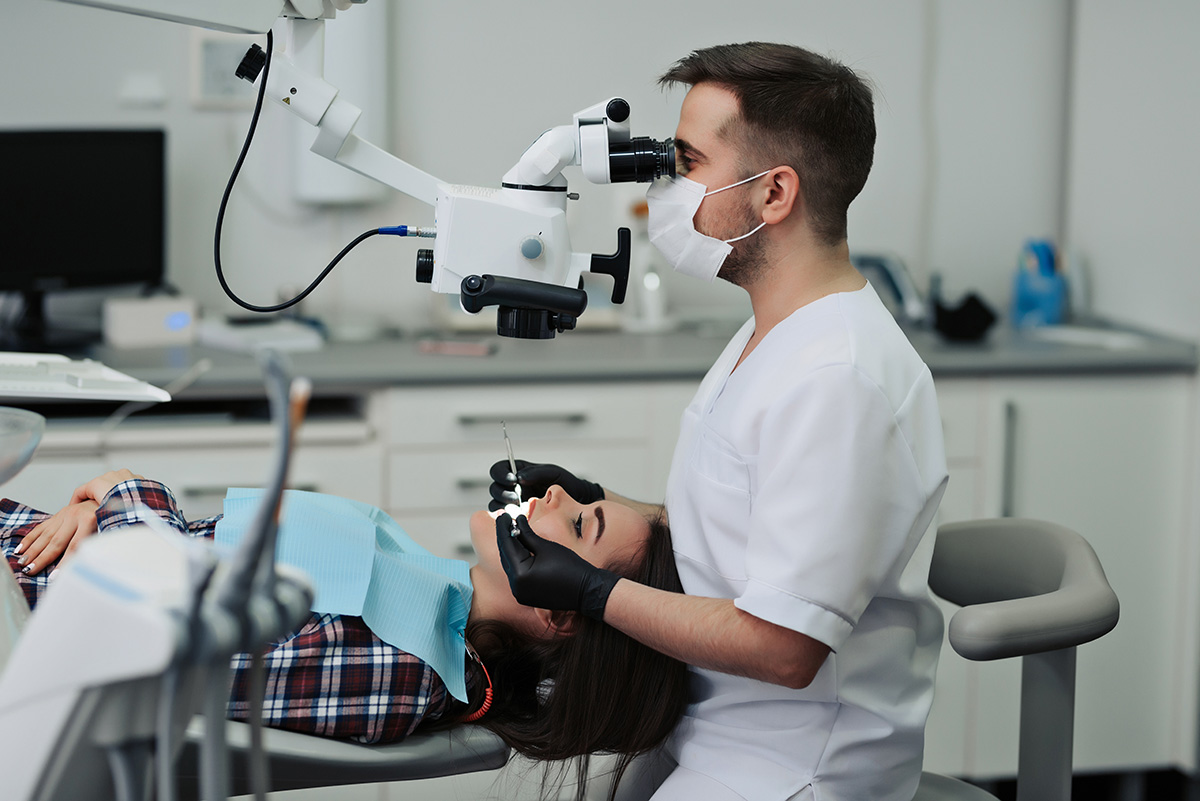
The dentist retains complete control, with the ability to modify the plan if necessary. This is an essential feature of the Yomi system, which facilitates a harmonious human-robot interaction where the dental professional is always in command. The Yomi system also provides real-time visual feedback so that the dentist can track their progress throughout the procedure. A breakdown of the workflow is as follows:
10 Benefits of AI in Dentistry
AI has numerous potential benefits for a dental practice. It can streamline dental processes, save time, and improve the efficiency and accuracy of diagnosis and treatment planning. In addition, AI provides the following benefits:
Artificial intelligence has the potential to significantly transform a dental practice, making it more efficient, accurate, and personalized. Continuing education and training for dentists on AI technologies will be essential to fully leverage the benefits of AI and ensure ethical and responsible use. As we move forward, it is clear that the future of dentistry lies in the nexus of human skill and AI innovations. Embracing these technological advancements can lead to improved patient outcomes and the overall evolution of the dental industry.


 Previous Post: