



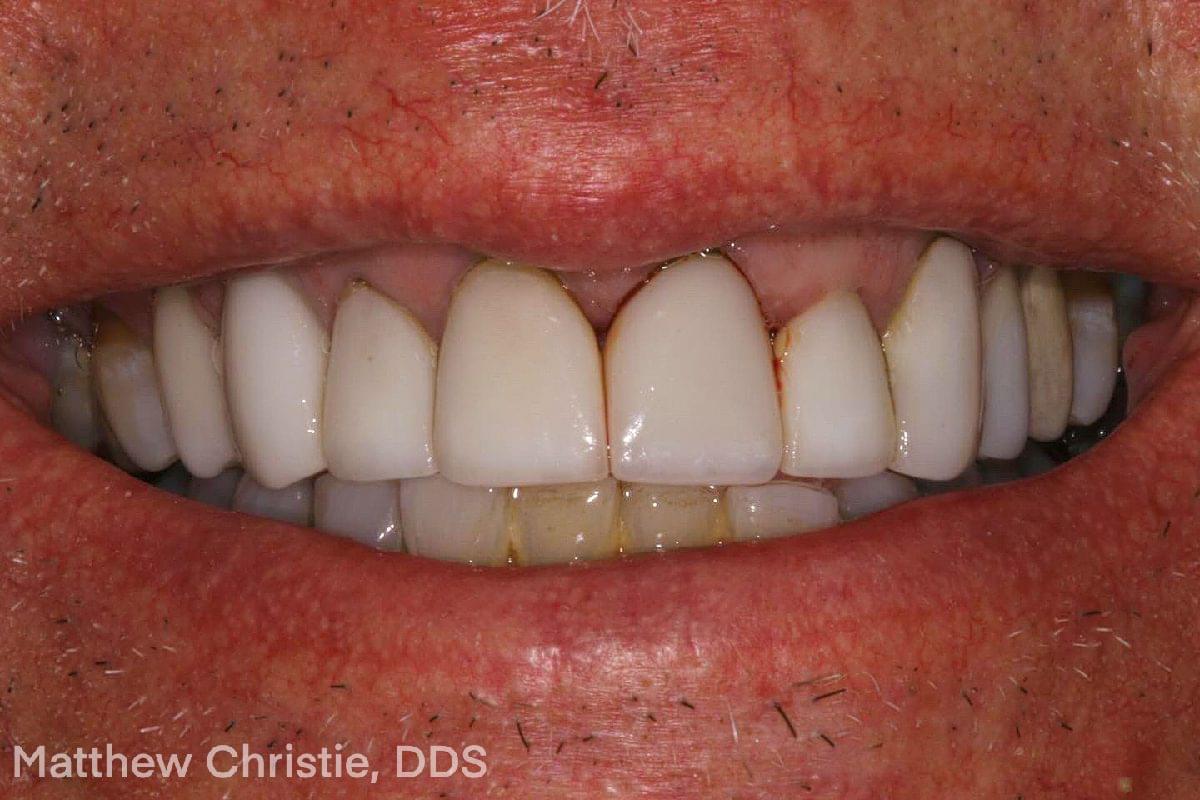


Today, several treatment options are available for fully edentulous patients. This is a vast improvement over the traditional denture options that were the only option several years ago. The implant-supported milled bar overdenture is one option that offers long-term success with a wide variety of benefits for patients.
Advancements in implant technology ensure that clinicians can offer their edentulous patients predictable, safe implant placement. Studies show that bone health is maintained by replacing teeth with dental implants. Restoring with an implant-supported overdenture provides a high level of dental function and improved stability over traditional dentures.

REQUEST THE BURBANK DENTAL LAB FEE SCHEDULE
REQUEST FEE SCHEDULE
SMART 1 Milled Implant Bars
One of the challenges in the past with implant-supported bar-retained overdentures was the casting method used to fabricate the metal framework. After the frameworks were cast and sent for try-in, they would need to be sectioned and returned to the lab for soldering. In addition, casting the bars can lead to fractures, cracks, and fit issues.
FREE TO DOWNLOAD – SUCCESS GUIDES
DOWNLOAD A GUIDE
Computer Numerical Controlled Milling (CNC)
SMART 1 milled implant bars and overdenture eliminated the issues found with cast frameworks. SMART 1 implant bars are milled from a solid block of medical-grade titanium.

The milling process is performed using computer numerical control (CNC) milling. This technology is available in only about 5 percent of dental labs in the United States. Using cutting-edge milling has helped set SMART 1 milled implant bars apart from the rest.

The benefits of CNC milling include:

Benefits of SMART 1 Milled Implant Bars
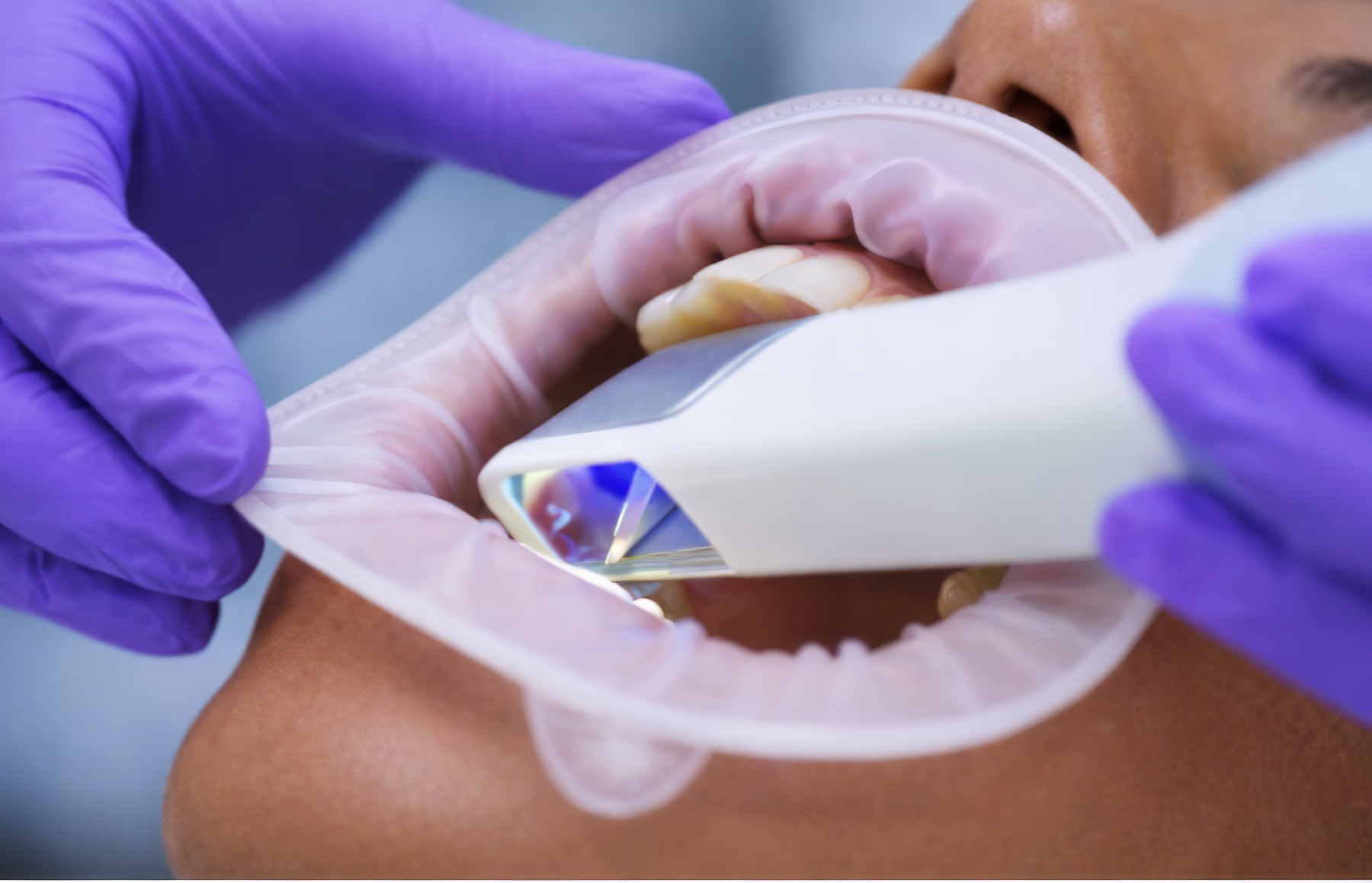
After receiving an accurate impression, the bar is designed using computer-aided software (CAD) and is milled using the CNC milling system. This framework is milled from a block and will offer a passive fit with extreme accuracy.
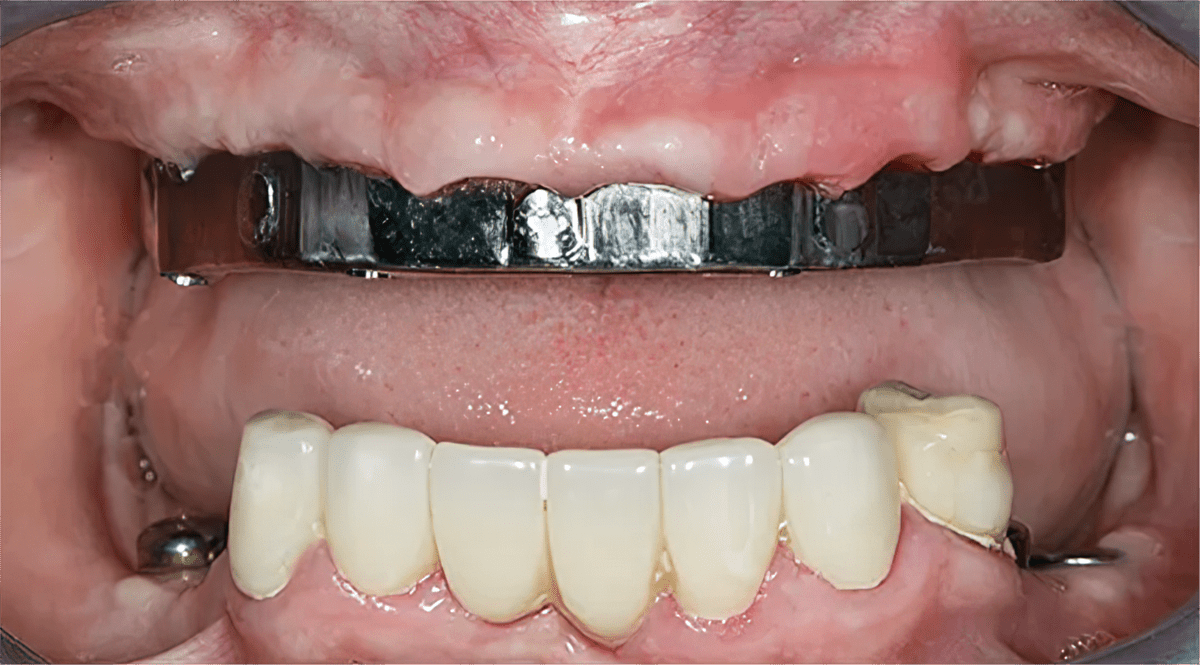
No soldering or welding will be necessary, allowing for a stronger implant bar. SMART 1 implant bars offer the following benefits:
The SMART 1 implant bar can support both Locator and Hader Bar systems. The milled bar is designed to distribute loads evenly between implants. This offers the patient a greater sense of overall stability.
Overdenture Fabrication
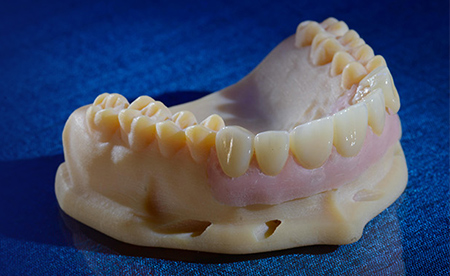
The overdenture is fabricated with a Cobalt-Chromium (Co-Cr) substructure, which provides additional durability and retention. Co-Cr alloy offers high strength and corrosion resistance, and is biocompatible. The overdenture provides improved stability and greater function than a traditional denture.
In most cases, the overdenture is designed to attach to the implant bar spanning the length of the edentulous ridge.
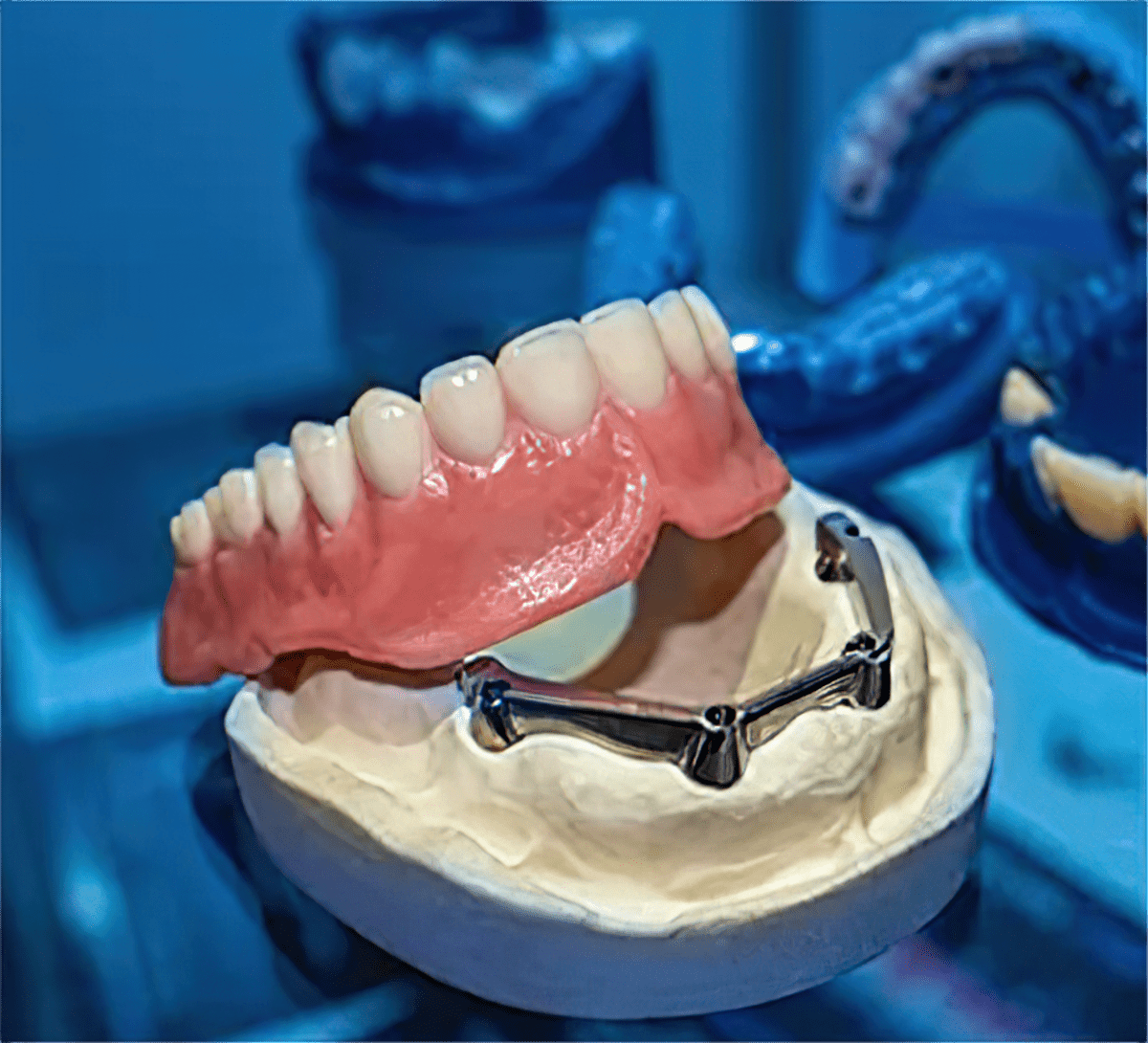
This helps to distribute the occlusal forces evenly throughout the implants. The overdenture movements are minimized vertically and horizontally and cross-arch stabilization is achieved.
Like conventional dentures, overdentures can be removed by the patient. However, the mechanical attachment of the overdenture to the implant bar provides a far superior level of retention, resulting in improved function and quality of life. While the milled implant bar overdenture offers a significant improvement over conventional dentures, it still needs to be removed for proper cleaning.
Overdenture Fabrication
Deciding how to treat an edentulous patient depends on several factors.
These may include:
The overdenture offers an excellent solution for many patients; however, having an overdenture that needs to be removed may not be an ideal situation, prompting many patients to consider an implant-fixed prosthesis.
In most cases, once the implants have been placed, clinicians can help to transition patients who no longer want their removable overdenture and move them over to a fixed prosthesis that can only be removed by the dentist. This is an excellent option if the patient’s oral situation improves, finances improve, or the patient’s needs change. At the same time, an overdenture is far superior to a conventional denture; a fixed restoration offers an even higher level of retention and function.
SMART 1 Overdenture Indications for Use
The SMART 1 implant milled bar overdenture needs at least 15mm to 17mm of intra-arch space. The variance is dependent upon the type of attachment that is used. If the distance from the implant platform to the occlusal table is less than 15mm, the case will need to be restored with a porcelain-fused-to-metal prosthesis. In addition, the patient will need a minimum height of 8mm from the bar/attachment to the incisal edge for an overdenture to be applicable.

To submit a case to Burbank Dental Lab, please provide an open tray implant-level impression. In addition, a verification jig and bite blocks are recommended prior to the final bar being fabricated.
For patients suffering from edentulism, SMART 1 implant-supported milled bar overdentures offer an excellent option that can meet the needs of many patients. It provides the benefits of a removable prosthesis with the stability of a fixed prosthesis.
For some patients, the overdenture can provide an excellent transition prosthesis. The key to excellence in such cases is to create restorations that offer precision, strength, and longevity, ensuring edentulous patients have a secure, well-fitting, comfortable prosthesis.
Call or chat today to get started on your next SMART 1 implant milled bar overdenture.


 Previous Post: