





Dentists today are expected
not only to deliver
exceptional dental restorations
but to adopt digital techniques
that improve patient outcomes
and practice efficiency.
REQUEST FEE SCHEDULE
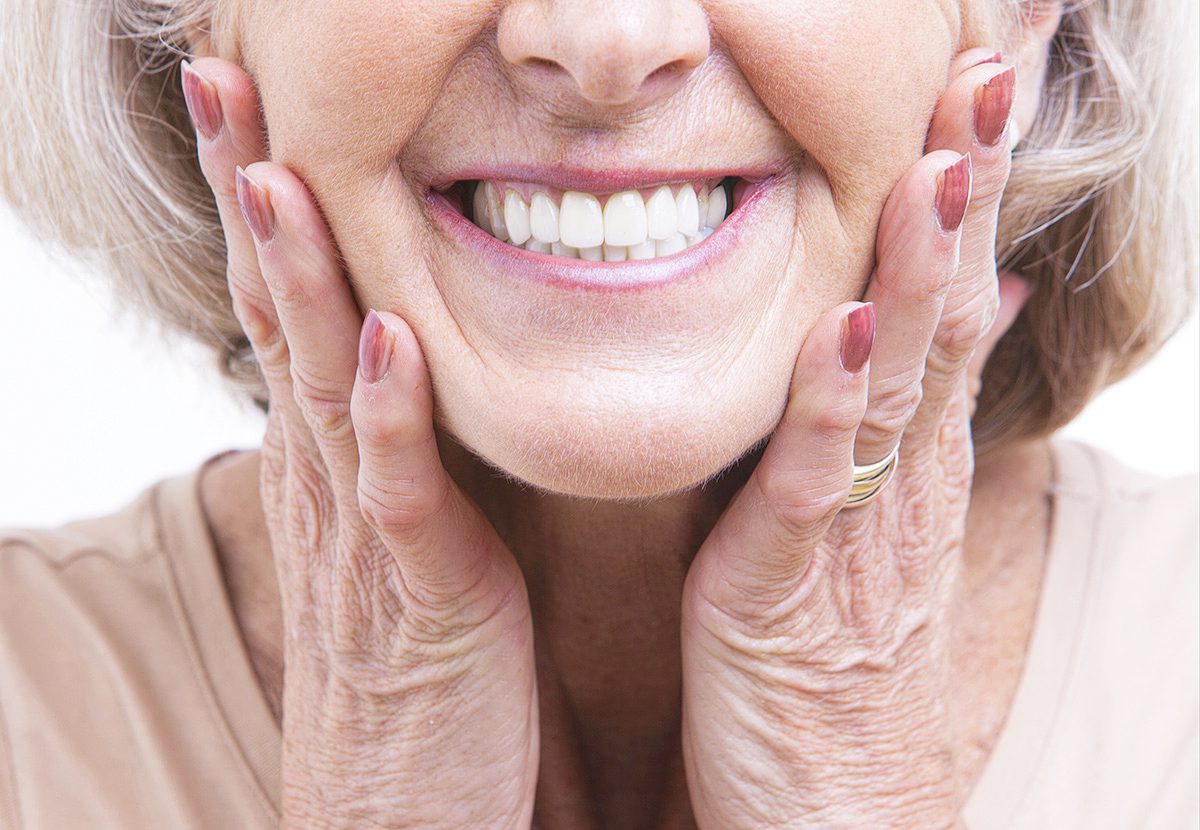
As the dental industry rapidly advances, digital denture workflows have transformed from an emerging technology into the gold standard for modern prosthodontics. Dentists today are expected not only to deliver exceptional dental restorations but to adopt digital techniques that improve patient outcomes and practice efficiency.
One critical step at the heart of these innovations is taking accurate digital impressions. Without precise scans, even the most advanced digital workflows can falter.
In this comprehensive guide, Burbank Dental Lab explains the essentials of digital denture workflows and provides dentists with best practices for mastering digital impressions.
Why Digital Denture Workflows
Are Changing Dentistry
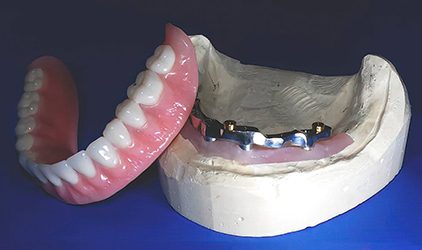
The traditional denture fabrication process, which relies on physical impressions, stone models, and manual wax-ups, has long been associated with discomfort and time-consuming steps. Digital dentures, by contrast, leverage intraoral scanners, CAD/CAM software, and 3D printing to deliver:
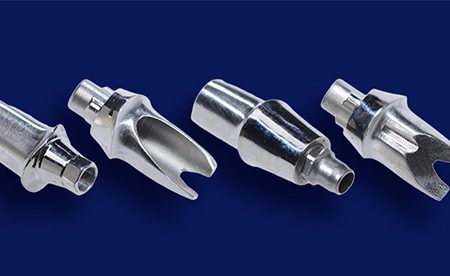
Key features of multi-unit abutments:

Digital workflows have proven to reduce errors, enhance fit, and improve overall patient satisfaction for full-arch and partial dentures.
Speak to Technical Support
Call us at
Why Digital Impressions Matter
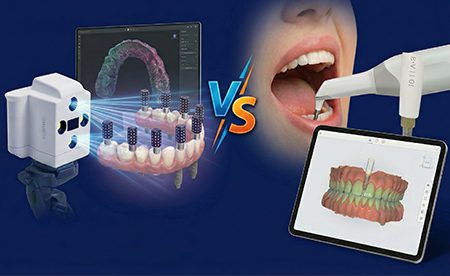
Digital impressions are the cornerstone of the digital denture process. Dentists can use intraoral scanners (IOS) to capture detailed, high-resolution 3D images of the patient’s soft tissue, ridges, palate, and anatomical landmarks.
Key benefits include:
However, the quality of the final denture is only as good as the initial scan. That’s why mastering digital impression techniques is vital.
Step-By-Step: How To Take Optimal Digital Impressions for Dentures
1. Patient preparation
Before beginning the scan:
2. Equipment setup
3. Scanning technique
The scanning process depends on whether the patient is dentate, partially dentate, or edentulous.
A. Dentate or partially dentate patients
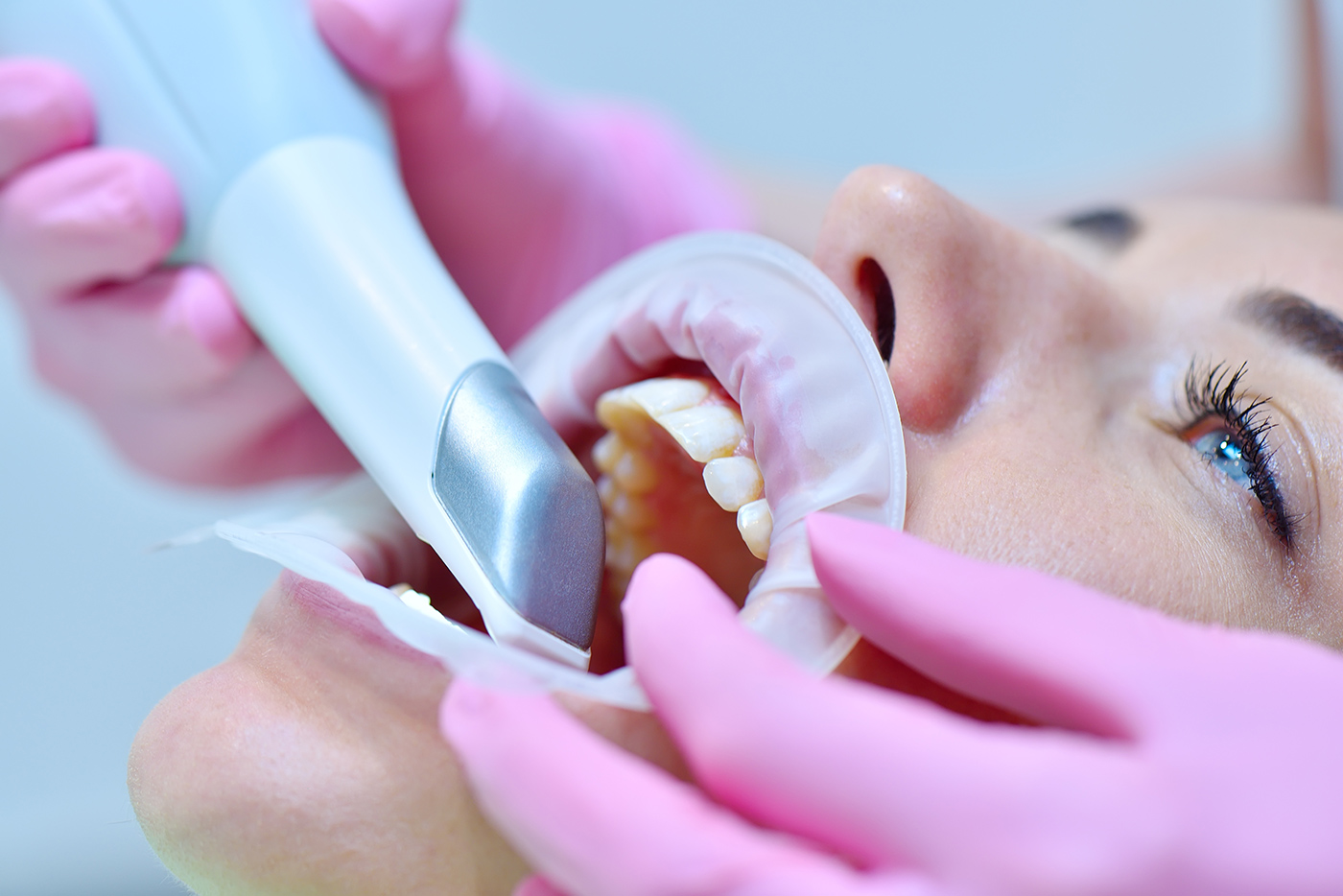
B. Edentulous patients
Speak to Technical Support
Call us at
Best Practices for Digital Impression Success
To ensure your digital impressions support predictable denture fabrication:
FREE TO DOWNLOAD – SUCCESS GUIDES

DOWNLOAD A GUIDE
How Digital Impressions Enhance the Laboratory Workflow
Once your digital impressions are submitted:
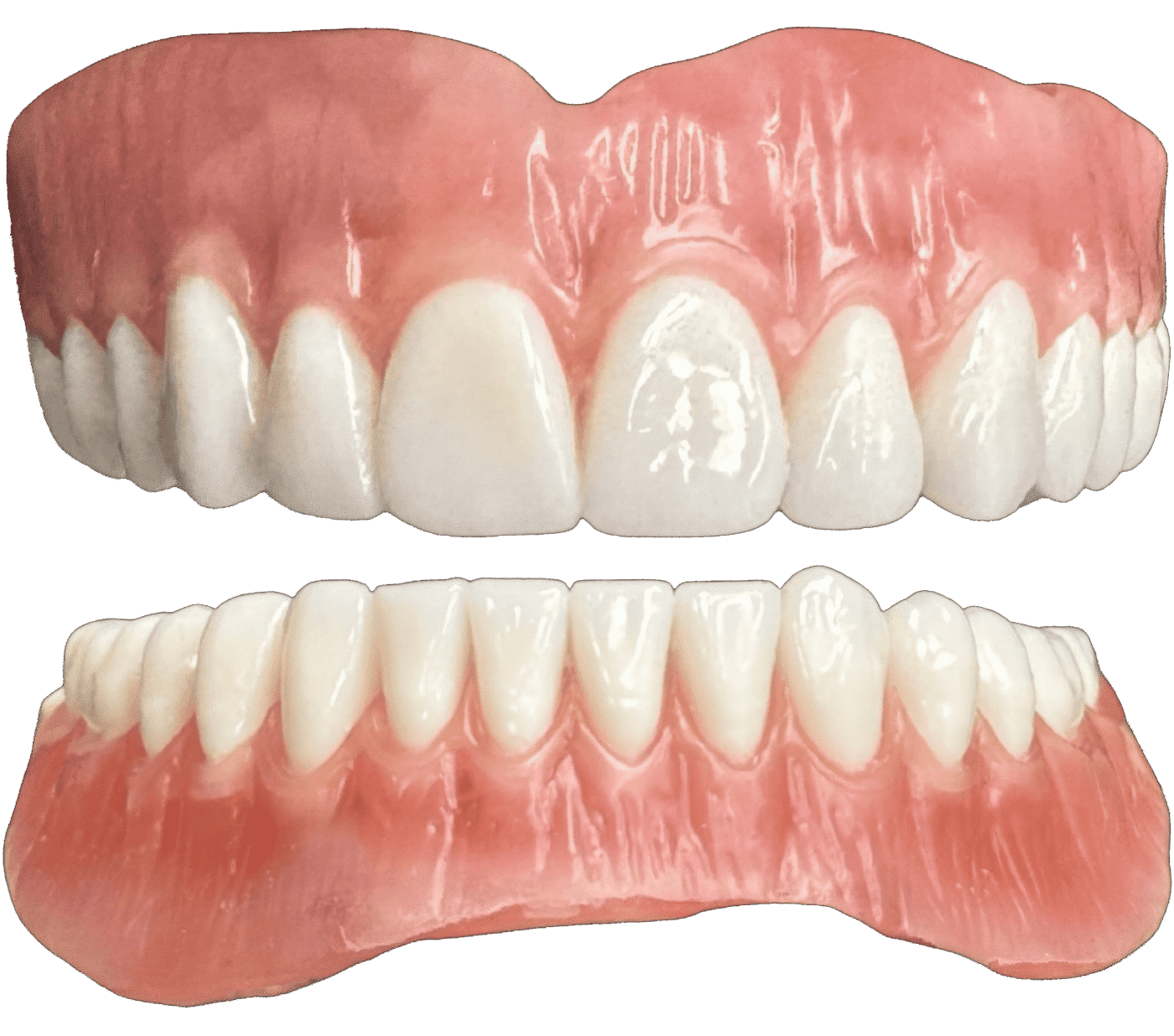
This seamless communication between clinic and lab reduces turnaround times, minimizes remakes, and elevates patient satisfaction.
BURBANK DENTAL
LAB WAS VOTED
TOP 5 DENTAL LABS
IN AMERICA
SOURCE: DENTAL COUNTRY™
Choosing the Right Scanner for Dentures
When selecting an IOS system for denture workflows, prioritize:
Popular scanners, such as the iTero, 3Shape Medit, and Cerec, have significantly advanced edentulous scanning workflows.
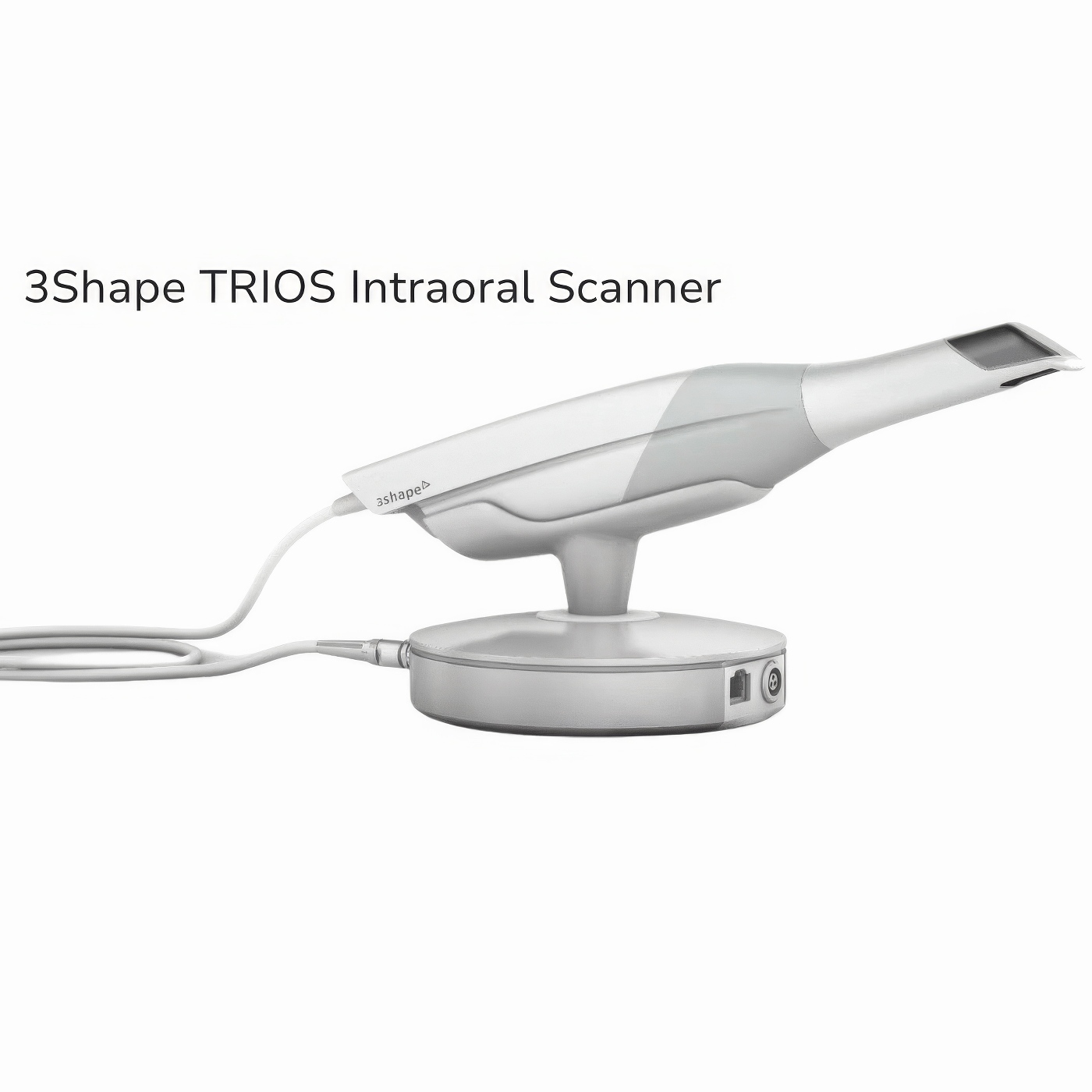
3 Shape TRIOS

Medit i700
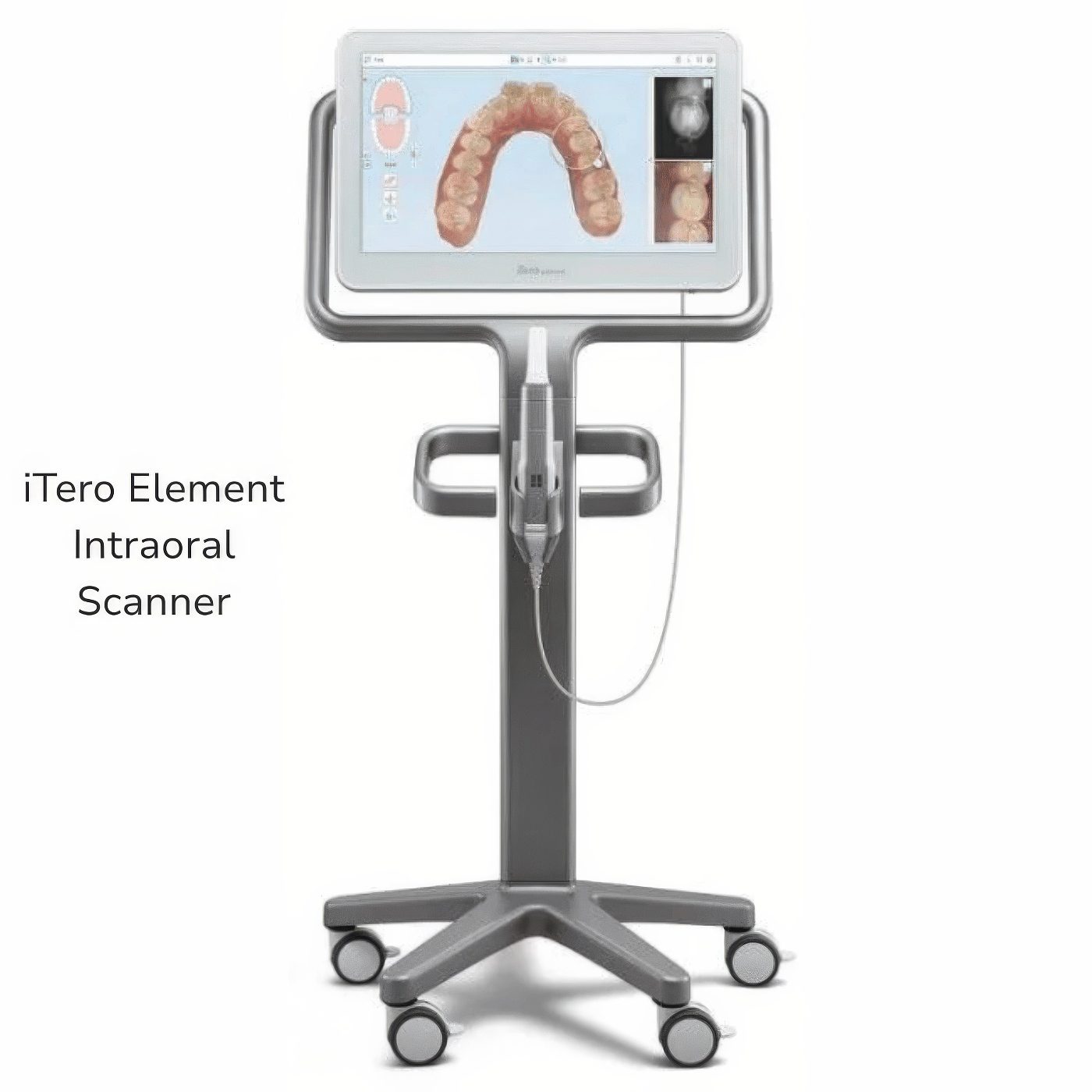
iTero Element
Burbank Dental Lab can assist if you need scanner recommendations or tailored advice for your practice.
Training Your Team – A Critical Success Factor
Successful digital workflows don’t just rely on equipment—they depend on people. Dentists who invest in training their entire team see better results and faster adoption.
Consider:
A well-trained team reduces chair time, avoids costly scanning errors, and improves the patient experience.
Digital denture workflows and digital impressions are no longer the future—they’re the standard of care in modern prosthodontics. By mastering intraoral scanning techniques and partnering with a trusted lab like Burbank Dental Lab, dentists can deliver dentures that exceed patient expectations for fit, function, and esthetics.
Are you ready to elevate your denture cases?
Contact Burbank Dental Lab today to discuss how digital impressions and cutting-edge denture workflows can transform your practice.
Speak to Technical Support
Call us at
Digital denture workflows
and digital impressions
are no longer the future —
they’re the standard of care
in modern prosthodontics.
FAQ


 Previous Post: