






Fixed isn’t always the answer—
Discover the clinical decision tree that helps you identify when an implant bar-supported overdenture delivers superior outcomes for your full-arch patients.
Clinical Criteria, Functional Considerations, and Treatment Planning Guidance
Choosing the appropriate full-arch restorative solution for an edentulous or soon-to-be edentulous patient requires balancing biomechanics, anatomy, esthetics, hygiene, and long-term maintainability. While fixed implant prostheses are often discussed first, they are not always the most appropriate clinical choice.
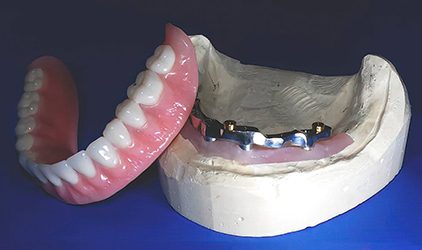
SMART 1 implant bar-supported dentures are a removable implant overdenture option designed to provide stability, load distribution, and retrievability for patients who are not ideal candidates for fixed restorations or who would benefit functionally and esthetically from a removable solution.
This article outlines when a SMART 1 implant bar-supported denture is clinically appropriate, what conditions favor this approach, and how it fits into comprehensive treatment planning.

Dr. David Facer
“We have been using Burbank Dental Lab for years – so happy with the results of our crowns and retainers. Marissa is our go to for stellar customer service and follow thru on every case.”

The case for removable just got a lot more compelling—here’s when bar-supported overdentures outperform fixed restorations.
What is an implant bar-supported overdenture?
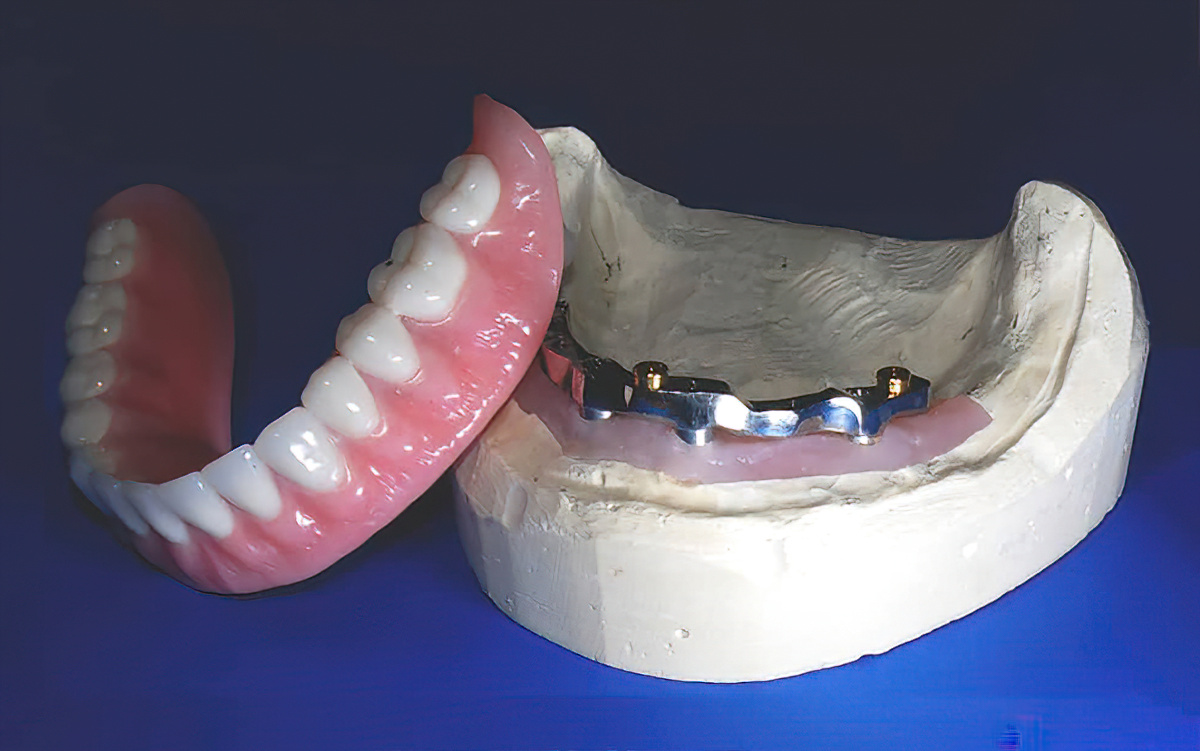
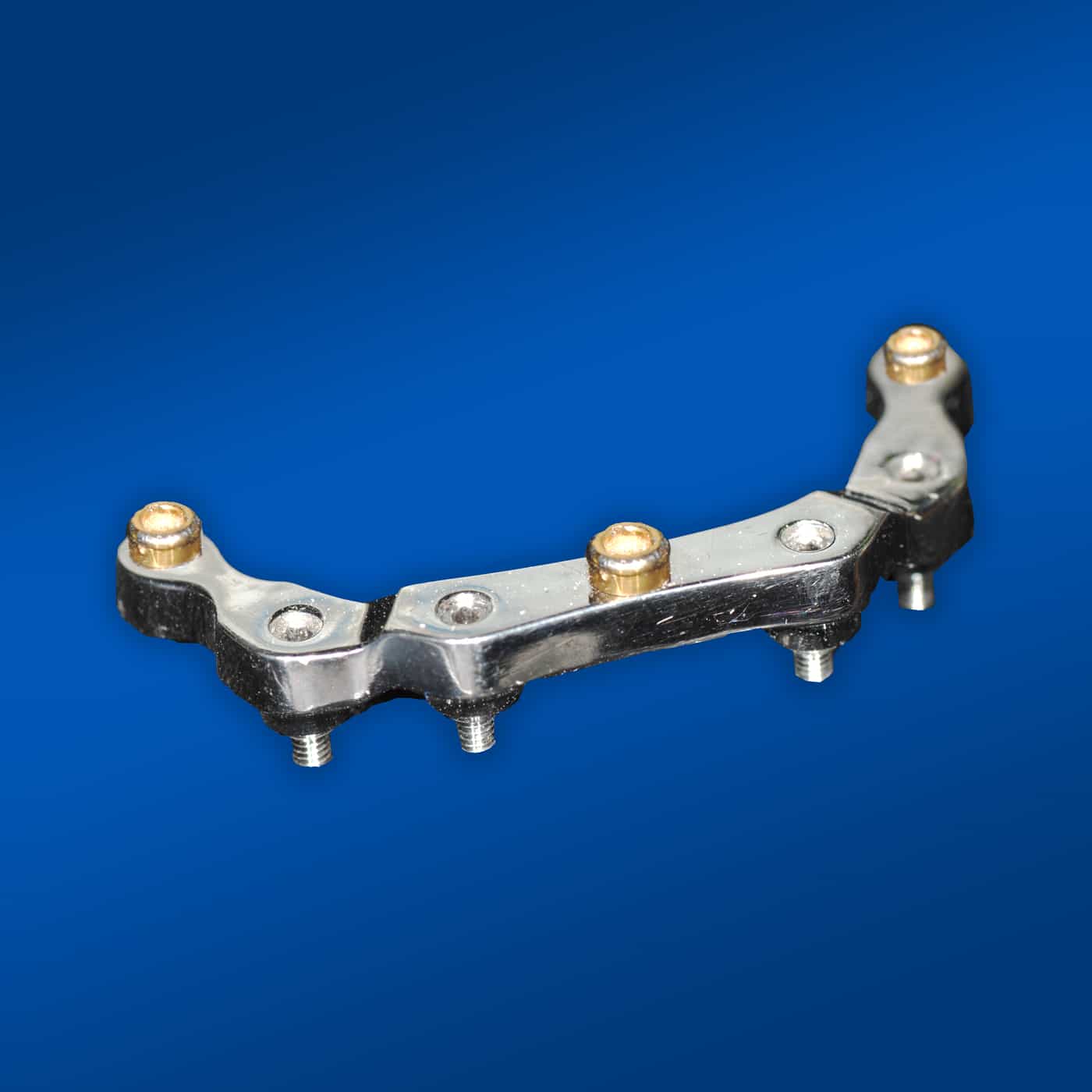
An implant bar-supported overdenture is a removable full-arch prosthesis supported by multiple dental implants that are splinted together with a fixed bar. The bar is securely attached to the implants, while the overdenture engages the bar through attachment mechanisms, allowing the prosthesis to be removed for hygiene and maintenance.
When was the last time you presented a bar-supported overdenture as the superior option, not the fallback?
This design differs from attachment-only implant-retained overdentures in that the bar provides rigidity and load distribution, helping to evenly distribute functional forces across the implants rather than concentrating stress on individual attachments or soft tissue.
Implant bar-supported overdentures are commonly considered when:
The best full-arch solution isn’t always the most fixed one—it’s the most appropriate one.
SMART 1 as Burbank Dental Lab’s Implant Bar-Supported Overdenture Solution
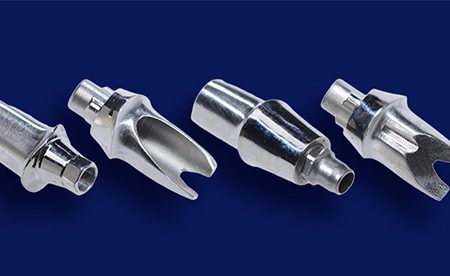
At Burbank Dental Lab, the SMART 1 is an example of an implant bar-supported overdenture system. It follows the same core clinical principles of bar-supported overdenture therapy, using a precision-engineered bar to splint implants and support a removable full-arch prosthesis.
The SMART 1 system is designed to work with digital planning processes, enabling the restorative team to assess implant placement, restorative space, and prosthetic contours during the diagnostic stage. As with any implant bar-supported overdenture, proper case selection and diagnostics are essential for long-term success.
SMART 1 reflects Burbank Dental Lab’s tailored approach to this treatment category, rather than a one-size-fits-all solution, and it should be chosen based on the patient’s anatomical, functional, and maintenance needs.
Primary Clinical Indicators for Choosing a Bar-Supported Overdenture
1. Significant bone loss or compromised ridge anatomy
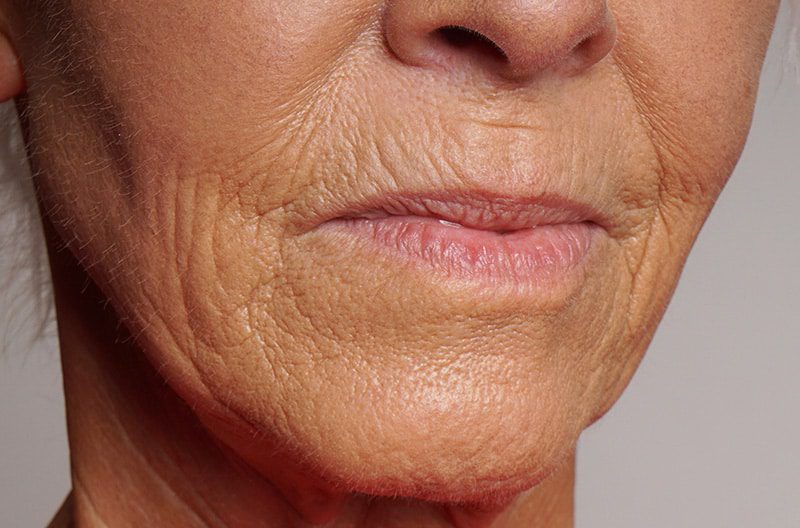
Patients with moderate to severe ridge resorption often require prosthetic solutions that restore both teeth and soft-tissue volume. Fixed implant prostheses may not adequately provide lip support or prevent facial collapse without extensive grafting or prosthetic compromises.
A bar-supported overdenture allows:
2. Vertical space constraints that limit fixed restorations
Full-arch fixed restorations require sufficient restorative space to accommodate:
In cases where vertical space is limited or uneven, bar-supported dentures can provide a more forgiving prosthetic envelope while maintaining structural integrity.
3. Patients who benefit from a removable prosthesis
Removability is not a disadvantage in many clinical scenarios. In fact, it can be an advantage when:
Bar-supported overdentures allow clinicians to maintain control over hygiene and ongoing care without sacrificing stability.
4. Even load distribution across multiple implants.
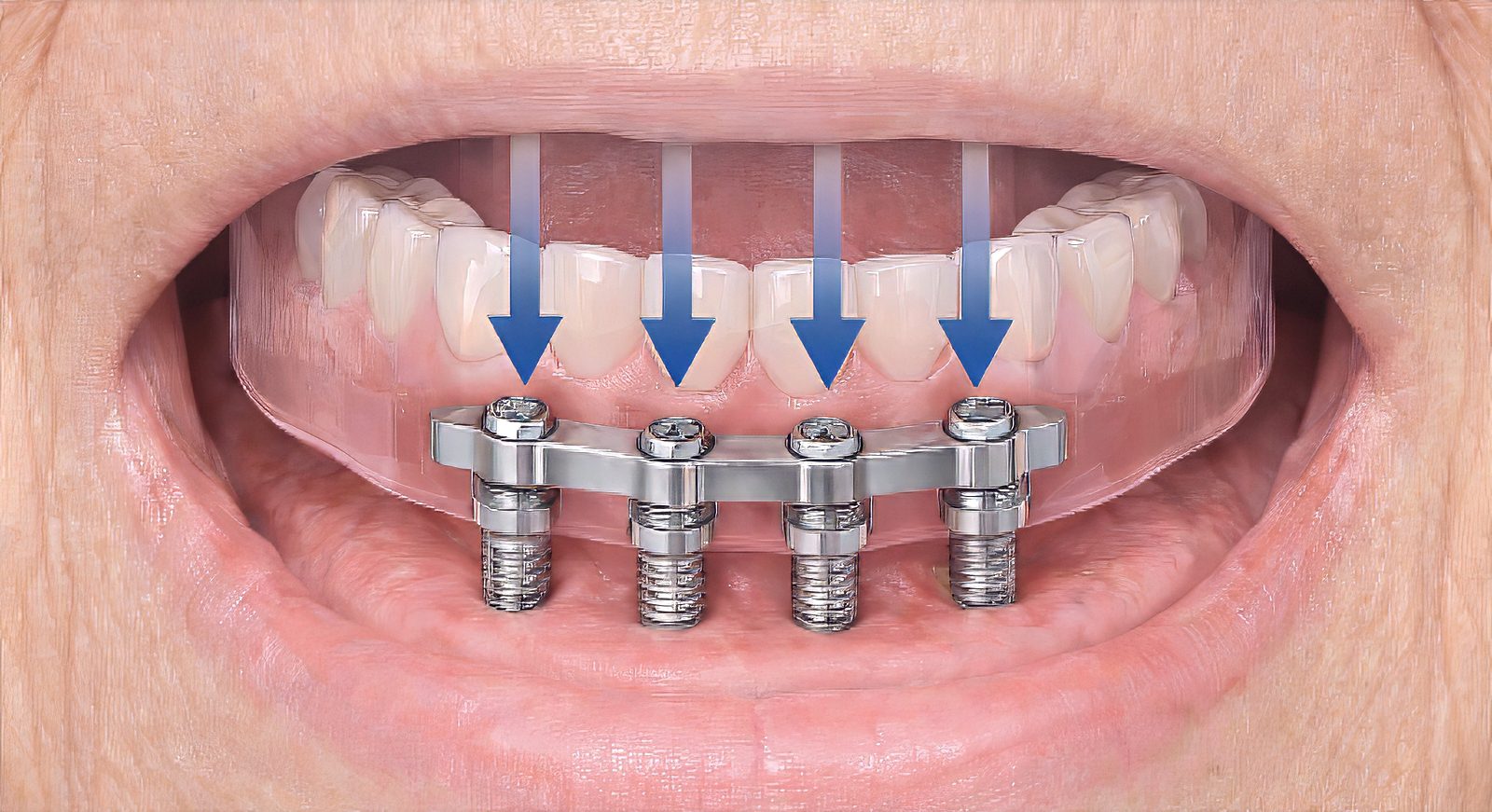
By splinting implants together, a bar helps distribute occlusal forces more evenly, which can be particularly beneficial in patients with:
This load-sharing approach can improve biomechanical predictability when compared to unsplinted attachment-based overdentures.
Treatment planning isn’t about giving patients what they want; it’s about guiding them toward what works.
5. Cost, surgical, or medical considerations
Not all patients are suitable candidates for the extensive surgical procedures needed for fixed solutions. Bar-supported overdentures can:
This makes them a practical choice for medically complex patients or for those seeking a balance between performance and invasiveness.
The clinical decision tree your full-arch cases have been missing—until now.
Clincial Decision Tree: Determining When a SMART 1 Implant Bar-Supported Denture Is Appropriate
Click on image to expand view.
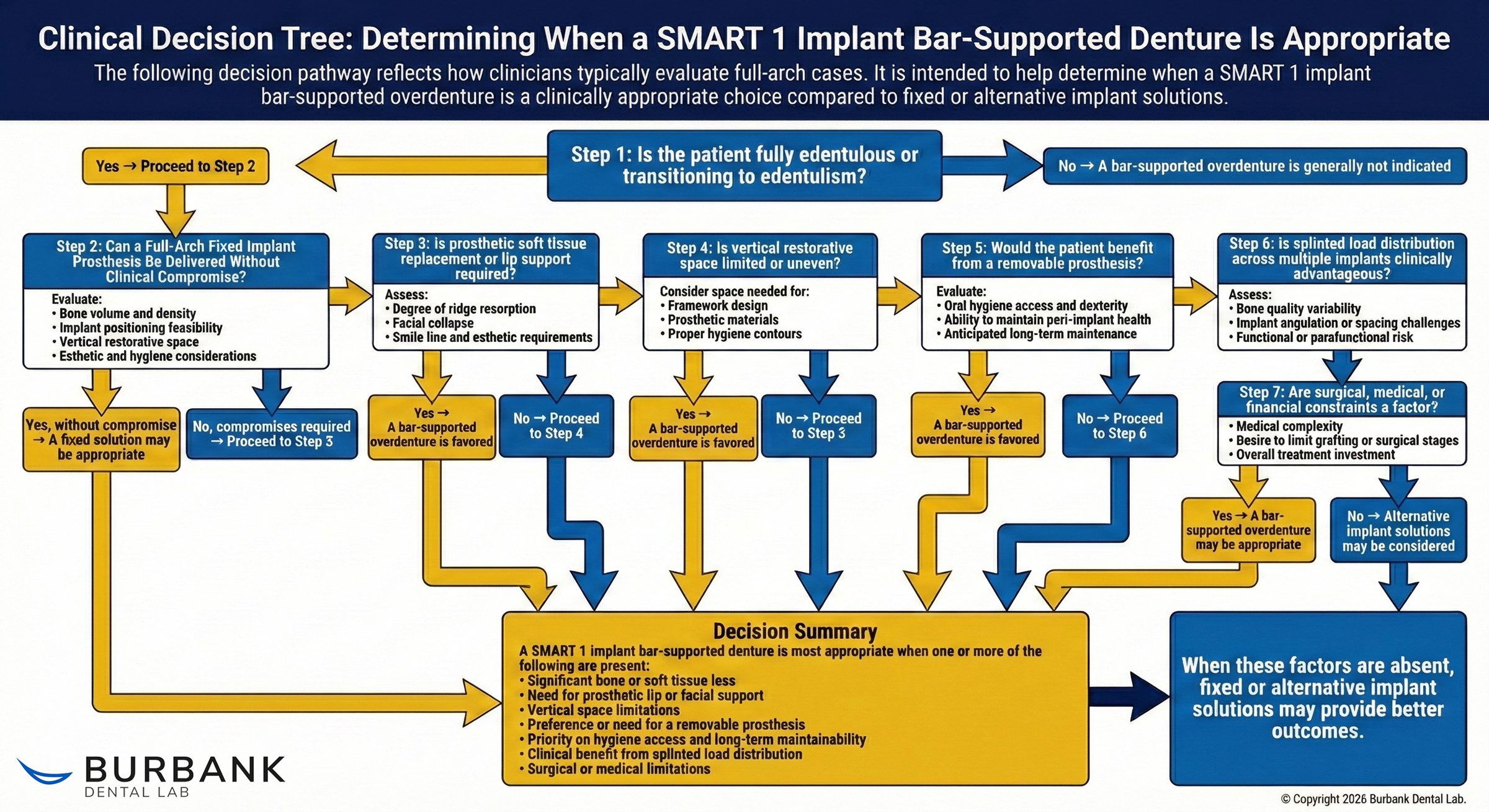
The following decision pathway reflects how clinicians typically evaluate full-arch cases. It is intended to help determine when a SMART 1 implant bar-supported overdenture is a clinically appropriate choice compared to fixed or alternative implant solutions.
Step 1: Is the patient fully edentulous or transitioning to edentulism?
Step 2: Can a full-arch fixed implant prosthesis be delivered without clinical compromise?
Evaluate:
Step 3: Is prosthetic soft tissue replacement or lip support required?
Assess:
Step 4: Is vertical restorative space limited or uneven?
Consider space need for:
Step 5: Would the patient benefit from a removable prosthesis?
Evaluate:
Step 6: Is splinted load distribution across multiple implants clinically advantageous?
Assess:
Step 7: Are surgical, medical, or financial constraints a factor?
Consider:
Decision Summary
A SMART 1 implant bar-supported denture is most appropriate when one or more of the following are present:
When these factors are absent, fixed or alternative implant solutions may provide better outcomes.
3 STEPS TO PHOTOGRAMMETRY SCANS
WE HELP YOU GET IT RIGHT EVERY TIME
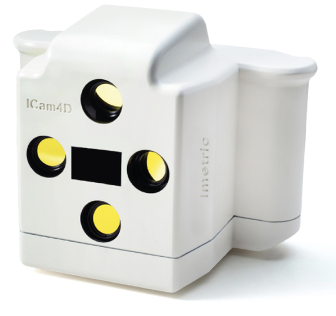
STEP 1
Burbank Dental Lab implant scan specialist provides the special scan bodies for insertion in the patient’s newly placed implant sites.
STEP 2
Scan Bodies are removed and special healing abutments are placed on the implant sites. Soft tissue can now be scanned with an intra-oral scanner.
STEP 3
The data from both scans are then sent to the dental laboratory. The ICam4d data and soft tissue scans are aligned to become a high-precision dental model.
Implant-Supported vs Implant-Retained: Why the Bar Matters
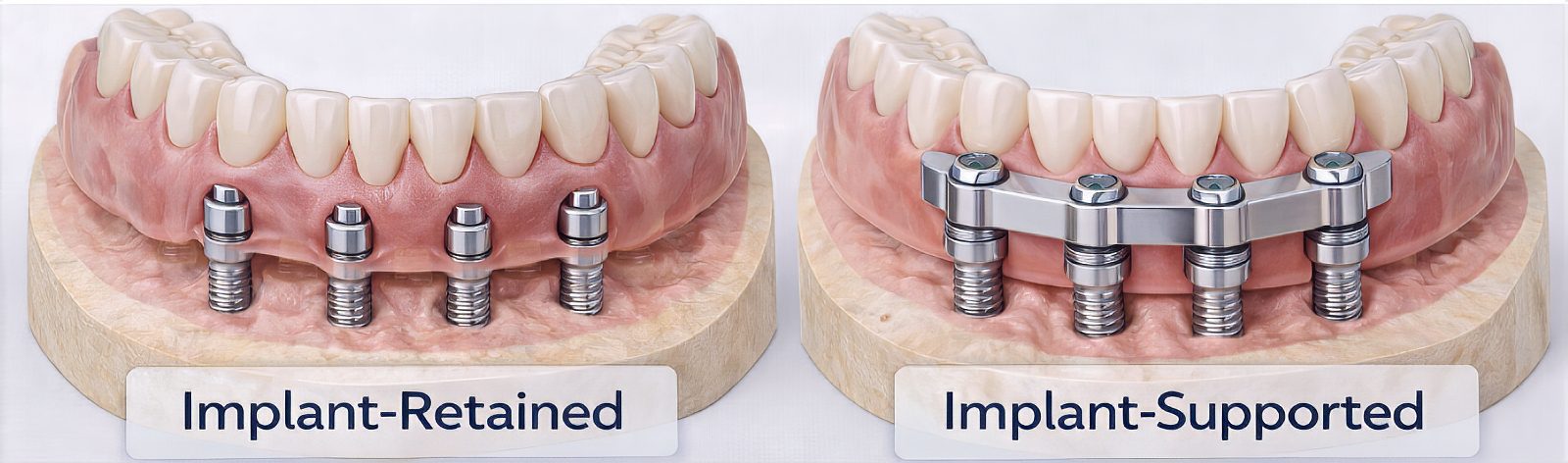
It is important to distinguish between implant-retained and implant-supported overdentures.
The presence of a bar increases rigidity, control, and predictability, particularly in full-arch cases.
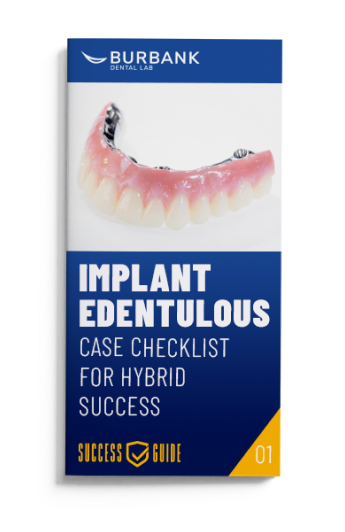
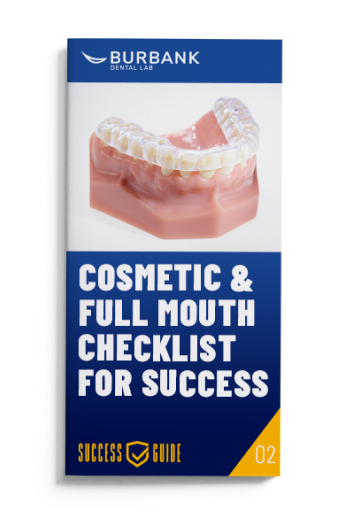
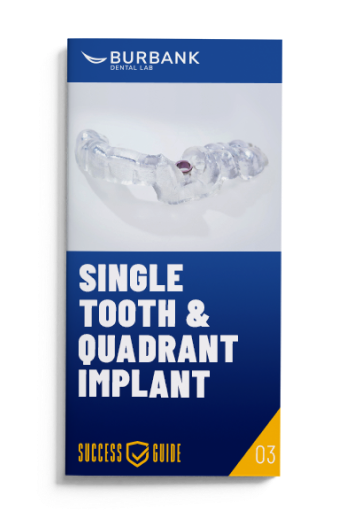
FREE TO DOWNLOAD – SUCCESS GUIDES
DOWNLOAD A GUIDE
Diagnostic and Planning Considerations
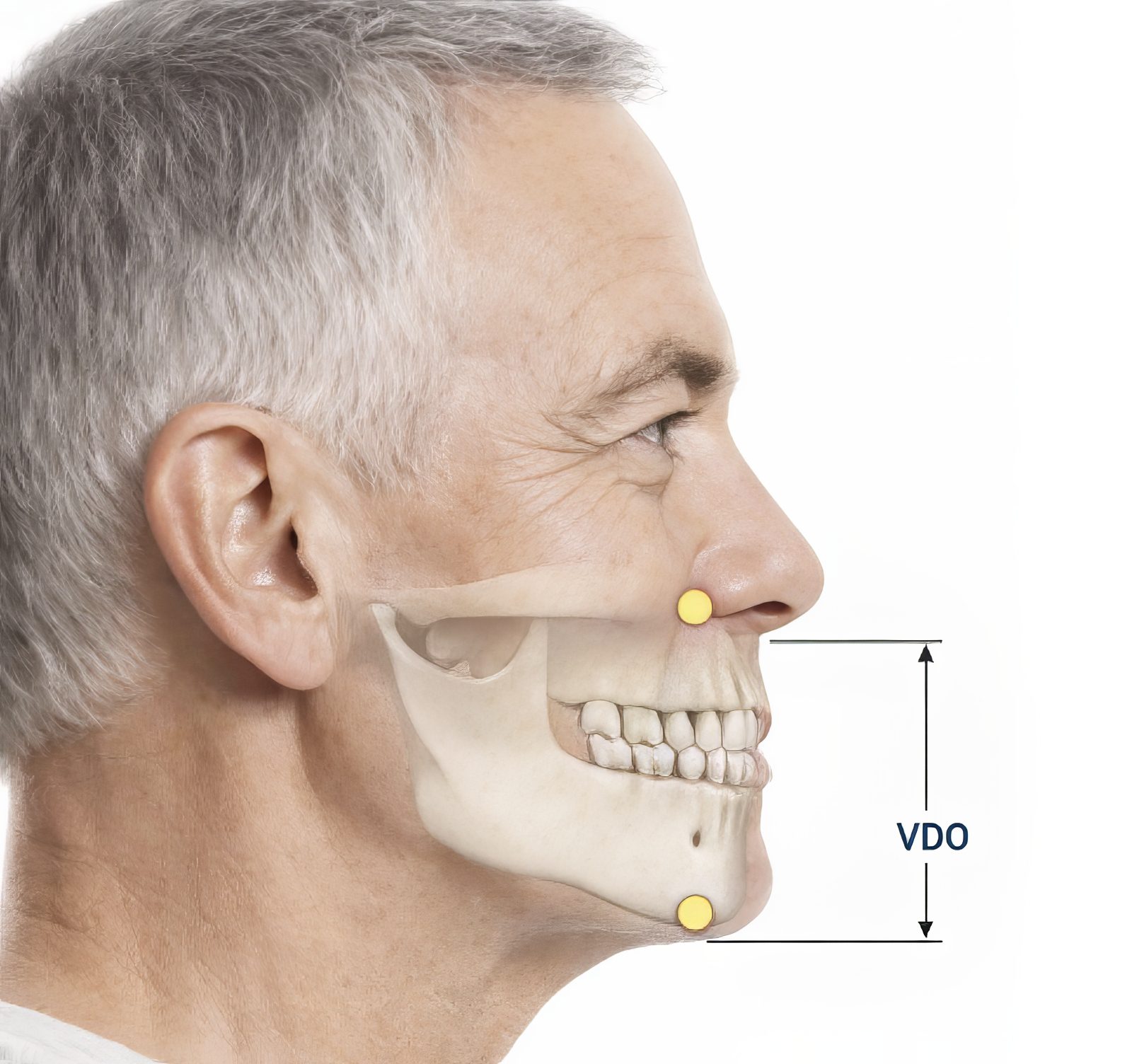
A SMART 1 bar-supported denture should always be selected based on diagnostics, not preference. Key evaluation steps include:
Digital planning, combined with accurate records, allows the restorative team to determine whether a bar-supported solution best meets the patient’s anatomical and functional needs.
When a Bar-Supported Overdenture May Not Be Ideal
Although versatile, this approach isn’t suitable for all patients. Other options may be better when:
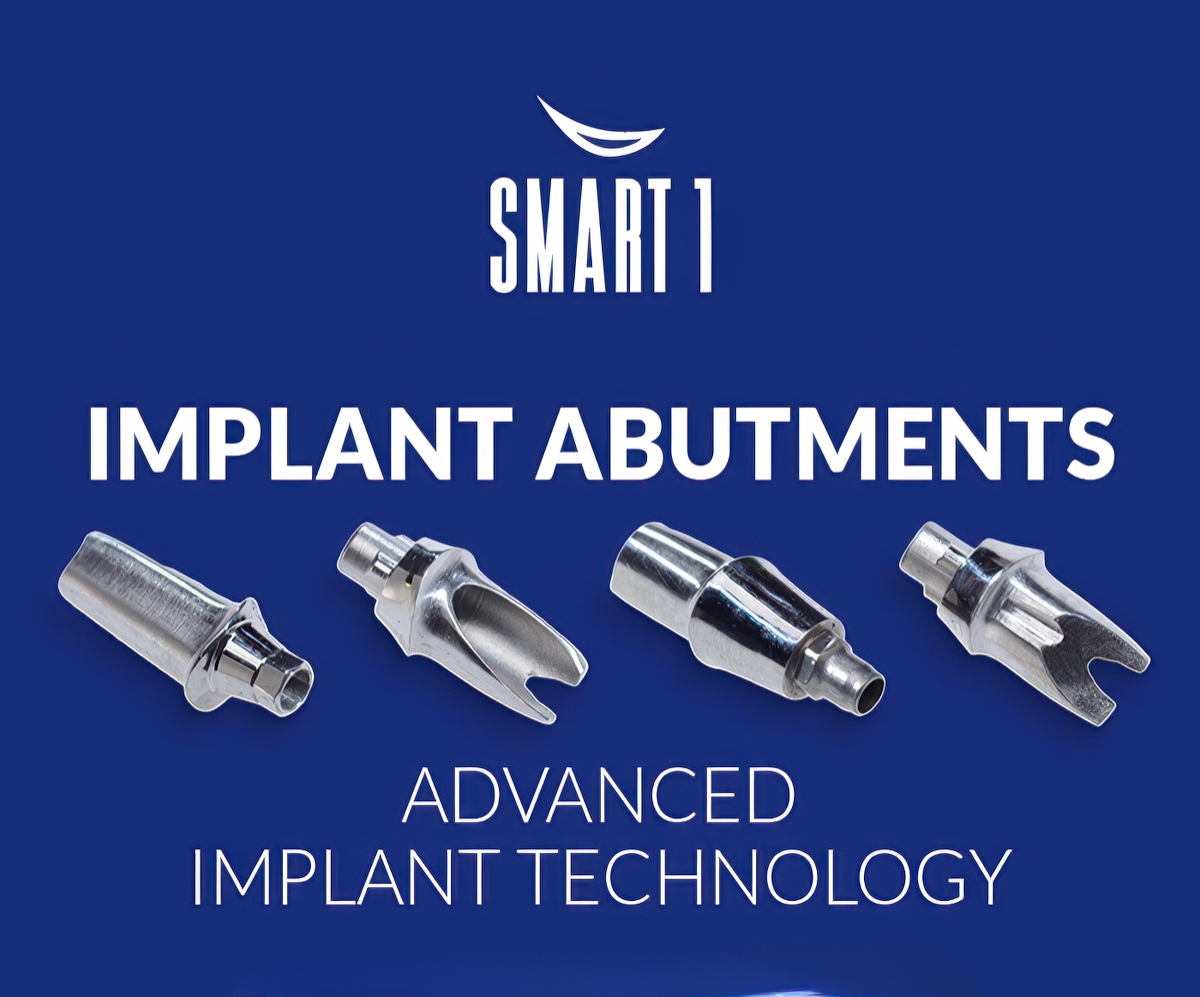
These systems provide clinicians with a reliable option for implant-supported restorations while maintaining flexibility in treatment planning and prosthetic design.
Clinical Role of SMART 1 Implant Bar-Supported Dentures
SMART 1 implant bar-supported dentures hold a key position between traditional removable dentures and full fixed implant restorations. When chosen correctly, they provide:
For many patients, this approach offers a balanced solution that aligns anatomy, function, and long-term care.
FAQ


 Previous Post:

