


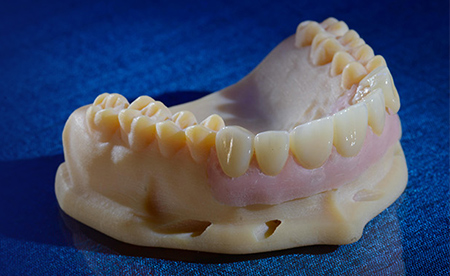
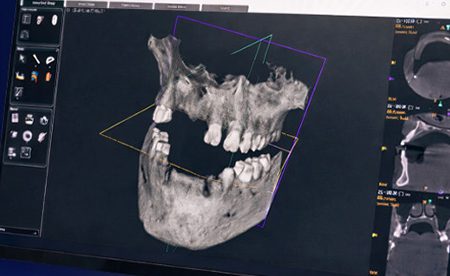


“Understanding hybrid dentures as framework-supported restorative systems—rather than single-material prostheses—unlocks smarter case selection, clearer lab communication,
and better long-term outcomes for your
full-arch implant patients.”
REQUEST THE BURBANK DENTAL LAB FEE SCHEDULE
REQUEST FEE SCHEDULE HERE
REQUEST FEE SCHEDULE
Hybrid Dentures Explained
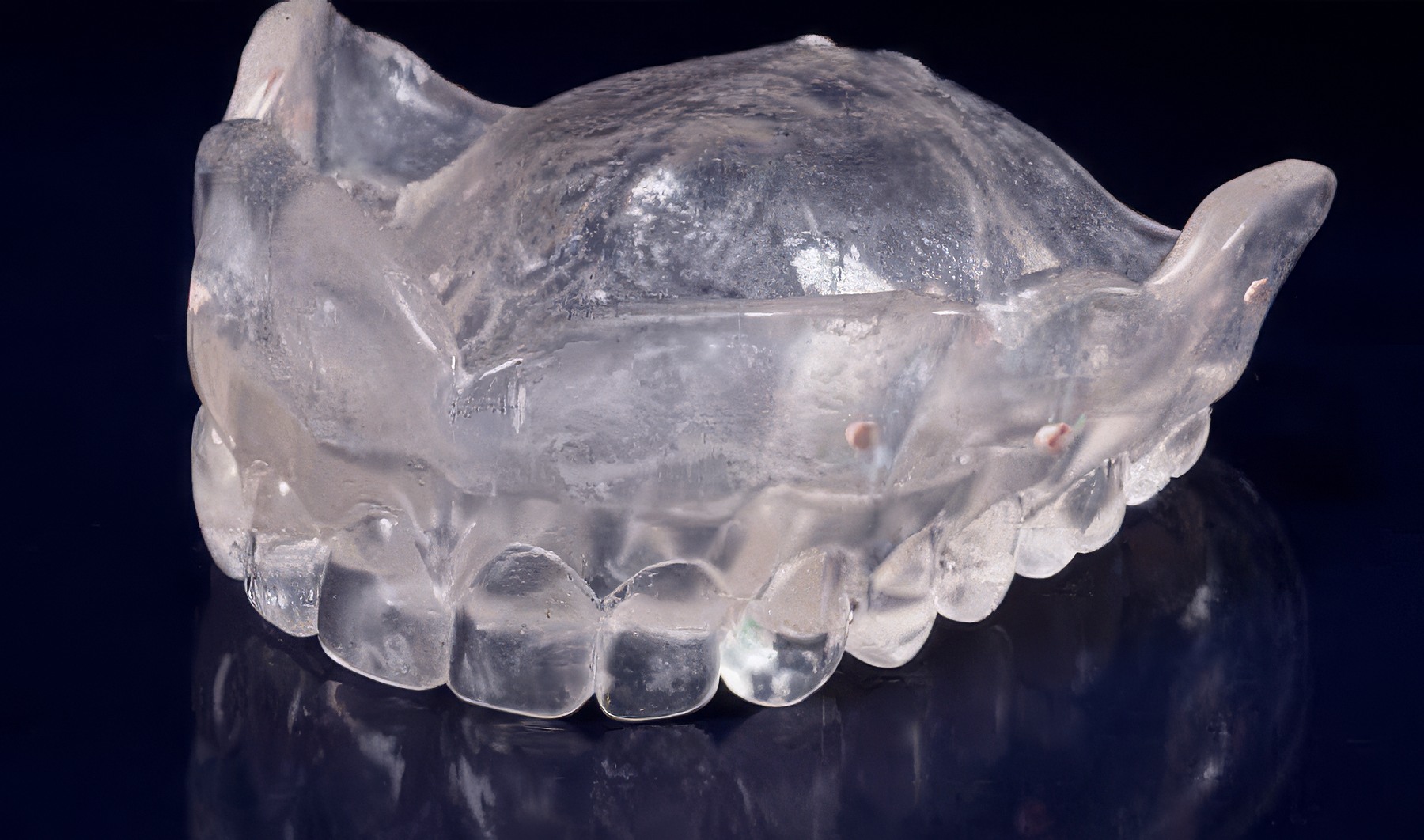
Hybrid dentures are a foundational restorative option in full-arch implant dentistry, providing fixed prosthetic solutions for patients with edentulous or terminal dentition. As materials and digital workflows have advanced, hybrid denture design has shifted toward more modular, framework-based systems capable of supporting multiple restorative materials.
For dentists and dental professionals, understanding the distinction between hybrid denture restorative materials and their underlying frameworks is essential for proper case selection, laboratory communication, and long-term maintenance planning.
What Are Hybrid Dentures?
Unlike removable implant overdentures, hybrid dentures provide greater stability, functional efficiency, and prosthetic continuity for patients seeking a fixed solution.
Speak to Technical Support
Call us at
Core Elements of a Hybrid Denture System
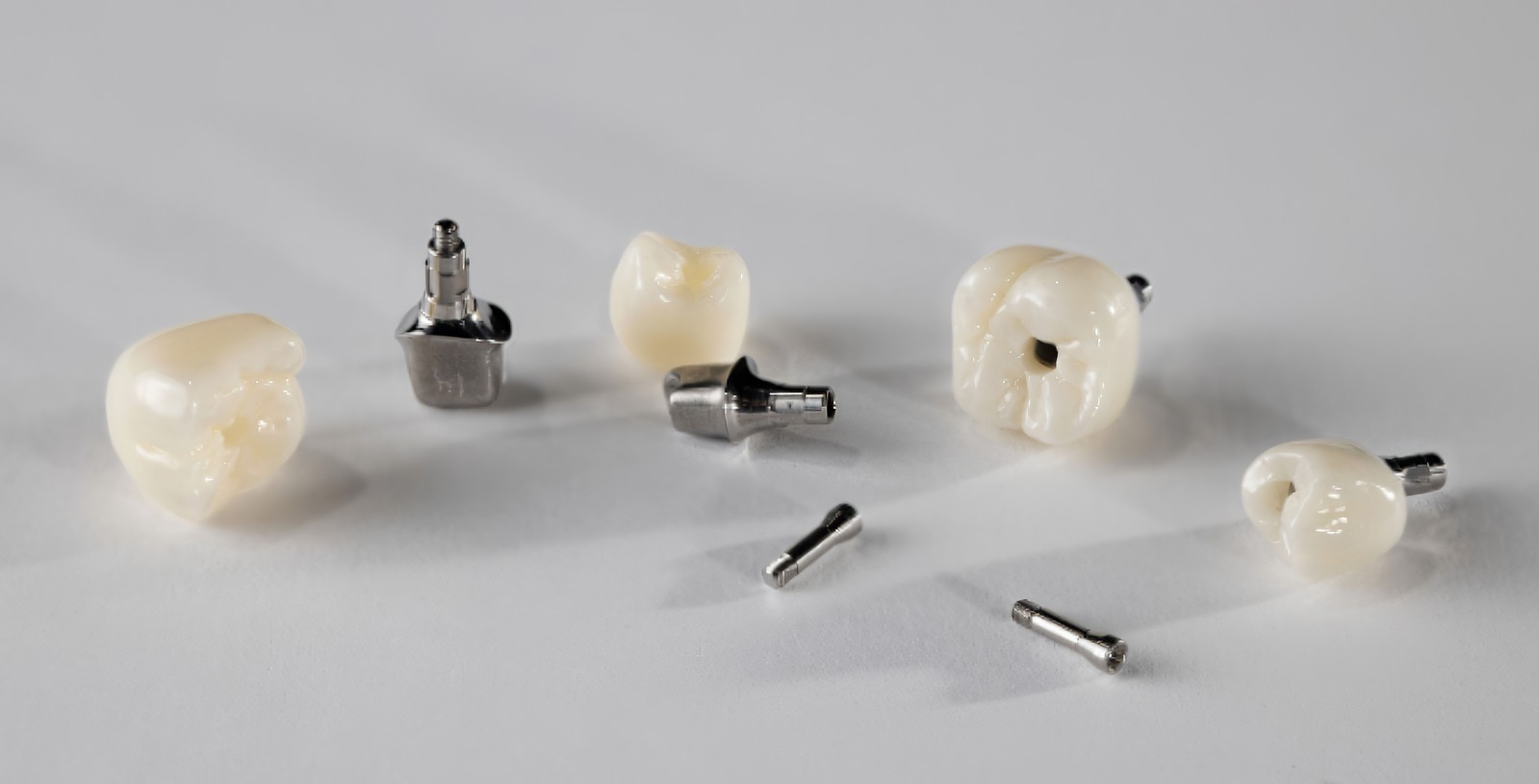
Every hybrid denture consists of three interdependent components:
While these elements function as a single prosthesis, each can be selected and optimized independently.
Hybrid Denture Restorative Materials (Superstructures)
Hybrid dentures are most accurately categorized by the restorative material used to recreate teeth and soft tissue, rather than by the framework itself.
Acrylic Hybrid Restorations
Acrylic remains a widely used restorative material for hybrid dentures, particularly in provisional restorations and selected definitive cases.

Clinical considerations include
Acrylic restorations can be used over titanium, cobalt-chromium, or zirconia frameworks, depending on prosthetic design.
SmartComposite Hybrid Restorations of Burbank Dental Lab
SmartComposite is a proprietary restorative system developed by Burbank Dental Lab specifically for implant-supported hybrid dentures. It functions as the restorative overlay material, not the structural framework.
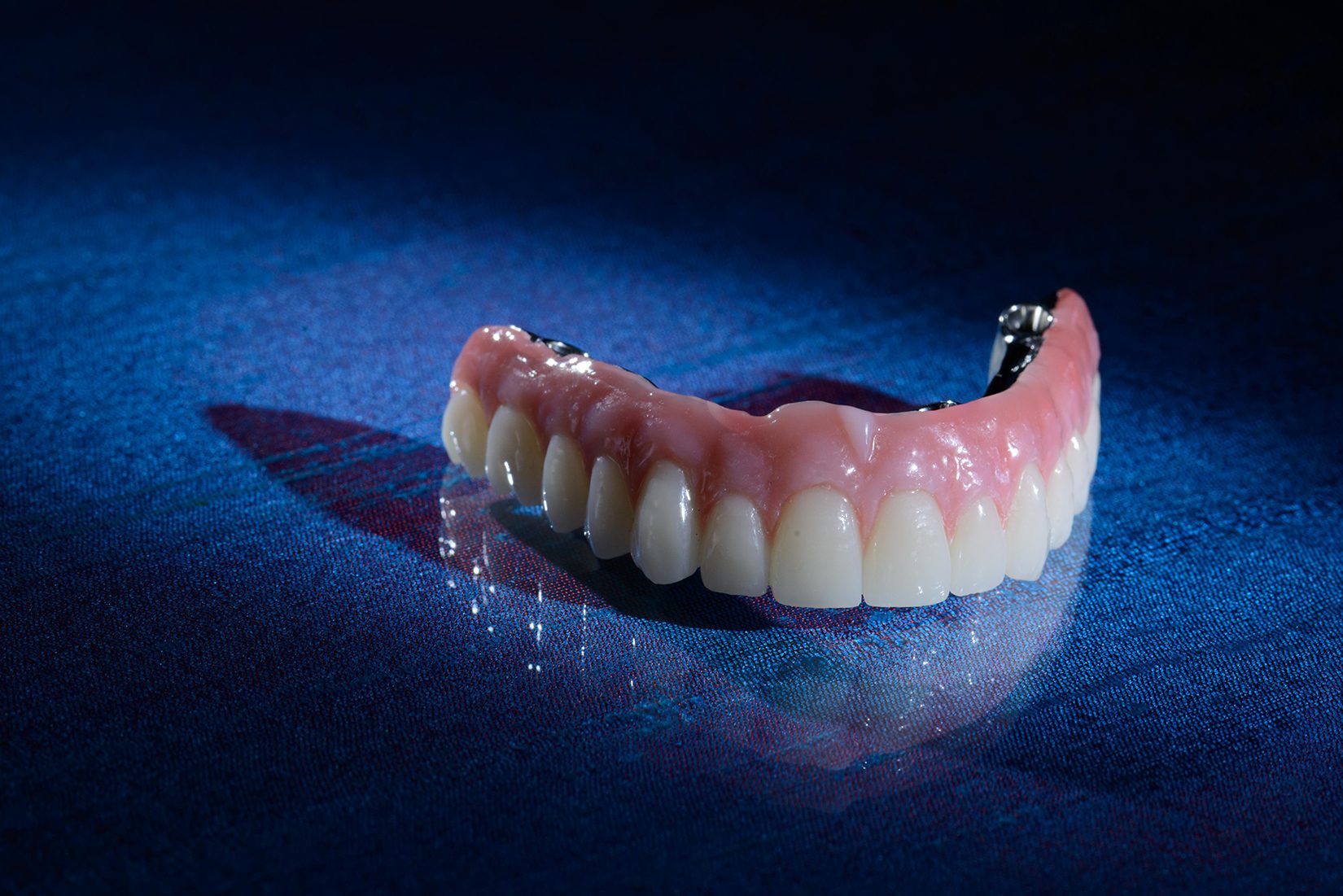
SmartComposite restorations are designed for:
This system may be particularly advantageous in cases where managing functional forces and long-term maintenance are clinical priorities.
Speak to Technical Support
Call us at
Ceramic and Zirconia Overlay Restorations
In some hybrid designs, ceramic or zirconia materials are used to fabricate dentition and gingival elements. These restorations prioritize wear resistance and color stability but require careful occlusal design due to their rigidity.
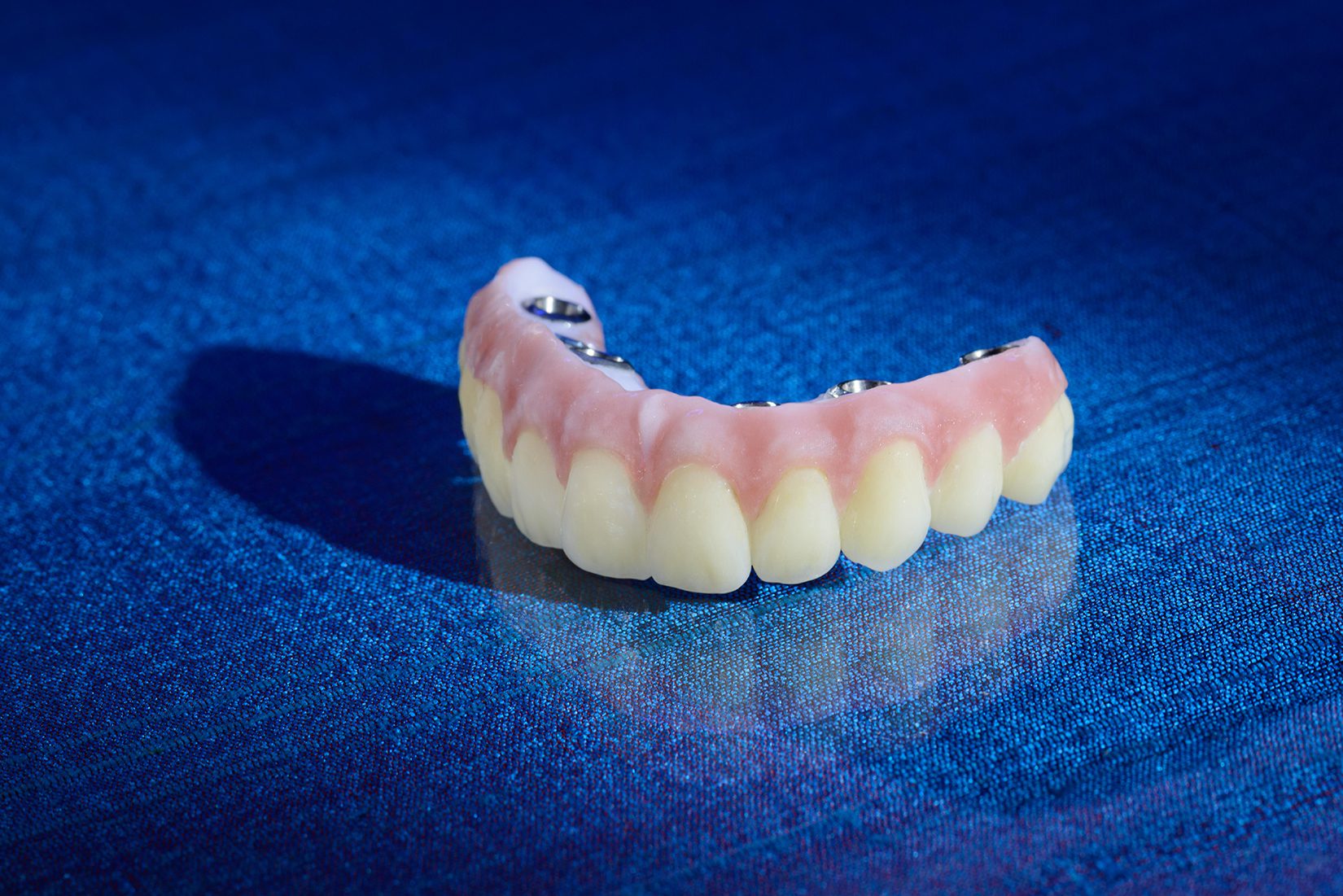

Ceramic overlays can be applied over various frameworks when restorative space and opposing dentition allow.
Click here for more information on using digital wax-ups.
FREE TO DOWNLOAD – SUCCESS GUIDES
DOWNLOAD A GUIDE
Hybrid Denture Framework Options
Frameworks serve as the structural foundation of a hybrid denture, distributing occlusal forces to the implants while maintaining a passive fit. The framework itself does not define the type of hybrid denture; instead, it supports the selected restorative overlay.
Titanium Frameworks
Titanium is the most commonly used framework material in contemporary hybrid dentures due to its favorable strength-to-weight ratio, biocompatibility, and compatibility with CAD/CAM workflows.

Titanium frameworks are:
BURBANK DENTAL
LAB WAS VOTED
TOP 5 DENTAL LABS
IN AMERICA
SOURCE: DENTAL COUNTRY™
Cobalt-Chromium Frameworks
Cobalt-chromium frameworks have a long clinical history in implant prosthetics. They offer rigidity and strength but are heavier and less frequently fabricated using fully digital workflows.

They can support various overlay materials, but are used less often in modern full-arch cases than titanium.
Zirconia Frameworks
In select designs, zirconia can serve as both a framework and a restorative material, or as a framework bonded to an overlay system. Zirconia frameworks offer high rigidity and fracture resistance but require precise design and fabrication to avoid stress transmission.
Framework selection should be driven by implant distribution, prosthetic span, restorative space, and occlusal demands.
Digital Workflow and Dental Laboratory Integration
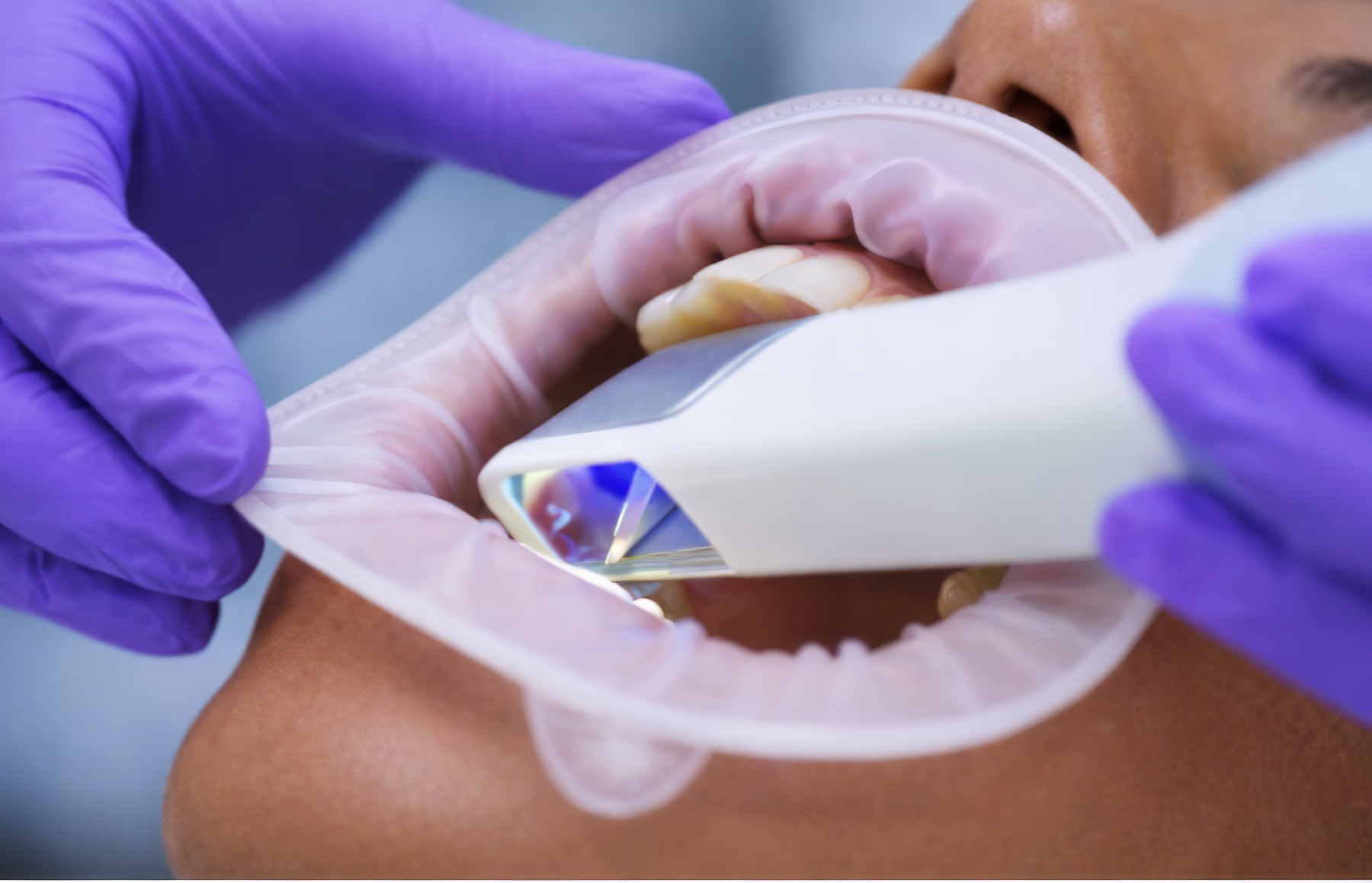
Modern hybrid dentures are fabricated using advanced digital workflows that include:
Accurate communication among the surgical team, the restorative dentist, and the laboratory is critical for optimal outcomes.
Maintenance and Prosthetic Longevity
All hybrid dentures require routine professional maintenance, including:
Restorative material selection directly influences repair options, maintenance intervals, and long-term clinical management.
Hybrid dentures are best understood as framework-supported restorative systems, rather than single-material prostheses. Separating the framework from the restorative overlay allows clinicians and the dental lab to tailor each component to the patient’s functional, esthetic, and maintenance needs.
By leveraging digitally fabricated frameworks and advanced restorative materials, including proprietary systems such as SmartComposite, Burbank Dental Lab supports predictable, serviceable, and clinically driven hybrid denture solutions for modern implant dentistry.
Speak to Technical Support
Call us at
A single material doesn’t
define the best hybrid denture —
it’s defined by how well
each component serves the patient.
FAQ
ARTICLES
Hybrid Denture
PRODUCTS


 Previous Post: