





The number of Americans suffering from gum disease exceeds 80%. Untreated, this prevalent disease can result in bone loss and, ultimately, tooth loss. The treatment of periodontal disease varies; however, implant therapy is the number one solution to tooth loss. Using advanced technology to restore patients’ oral health is essential for saving as many teeth as possible, but it also contributes to their overall health.
The number of Americans suffering from gum disease exceeds 80%.


Case Study
In this case, we were fortunate to work with Andrew Peterson, DMD, MS. In this case, the patient suffered from advanced periodontal disease issues. A significant amount of disease was evident, resulting in the need to extract some teeth. To remedy his situation, the patient agreed to undergo implant therapy. Additionally, the patient expressed that esthetics was not his primary concern.
Treatment Plan
As a first step, this patient underwent a laser-assisted new attachment procedure (LANAP) to remove the bacteria and get the disease under control. Teeth numbers 23-26 would have to be extracted due to their extensive decay.
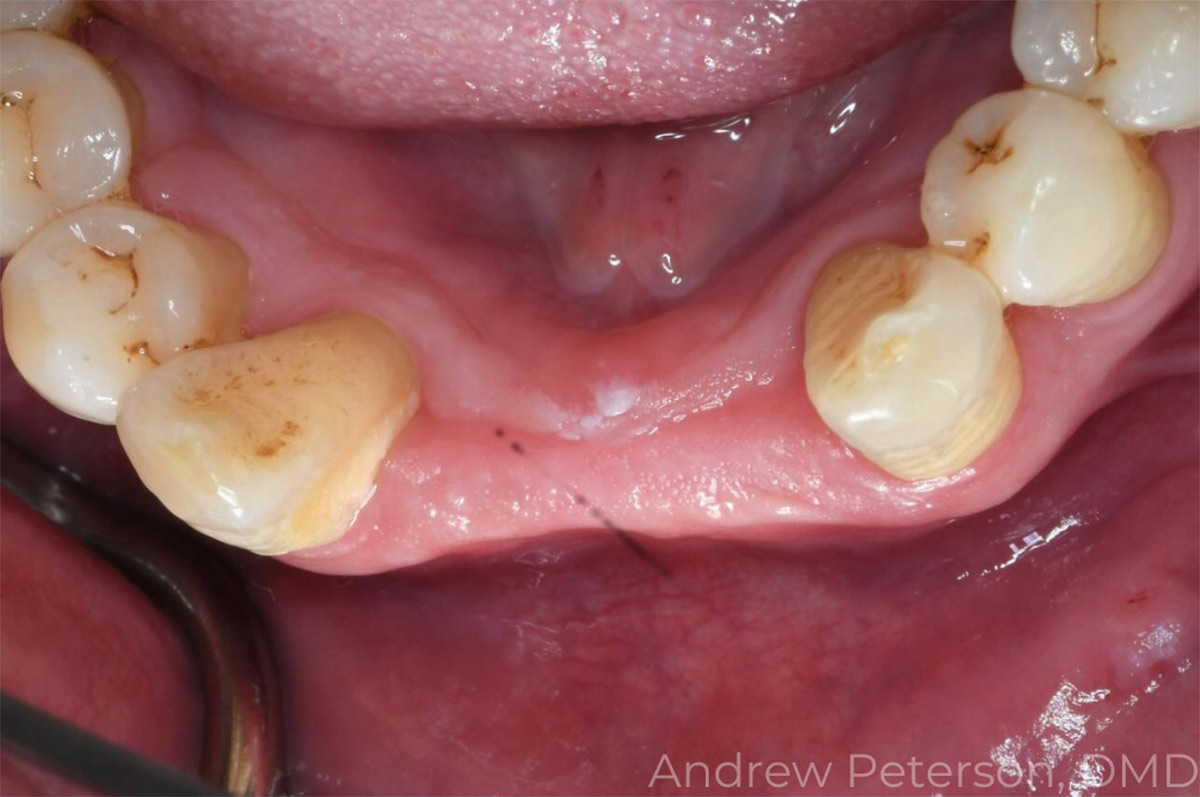
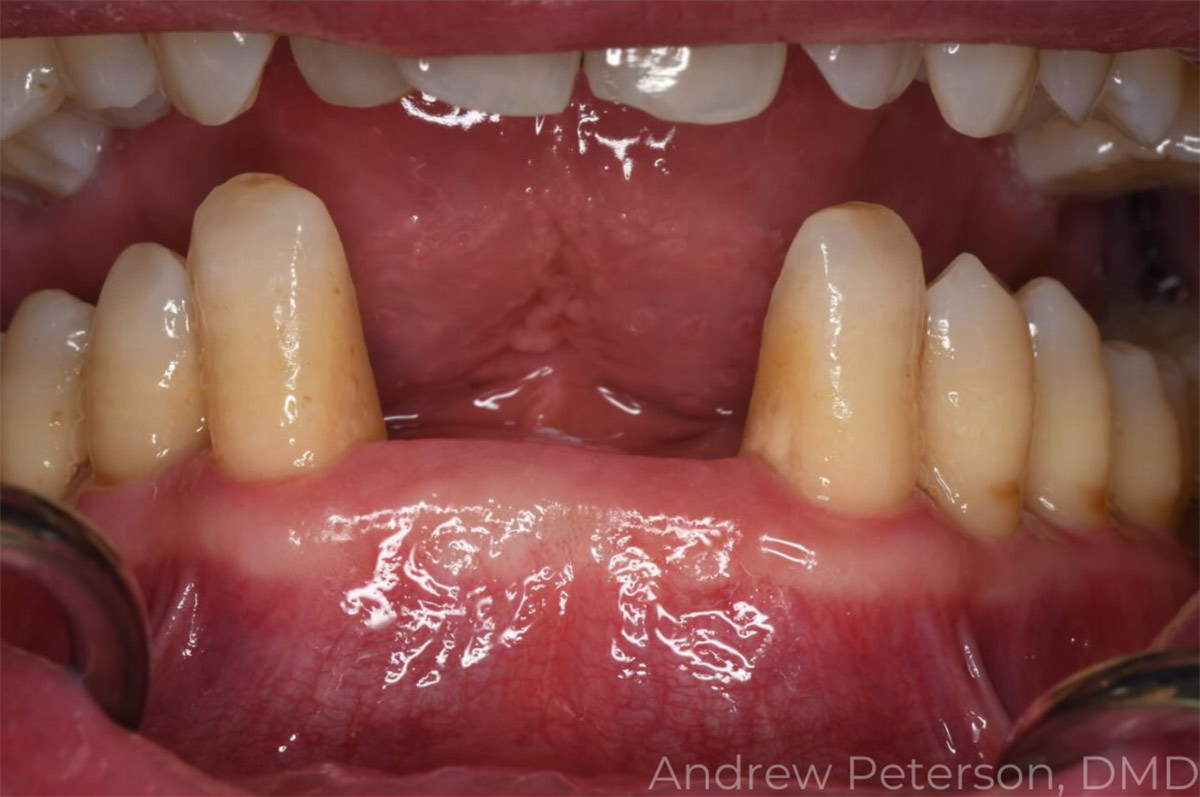
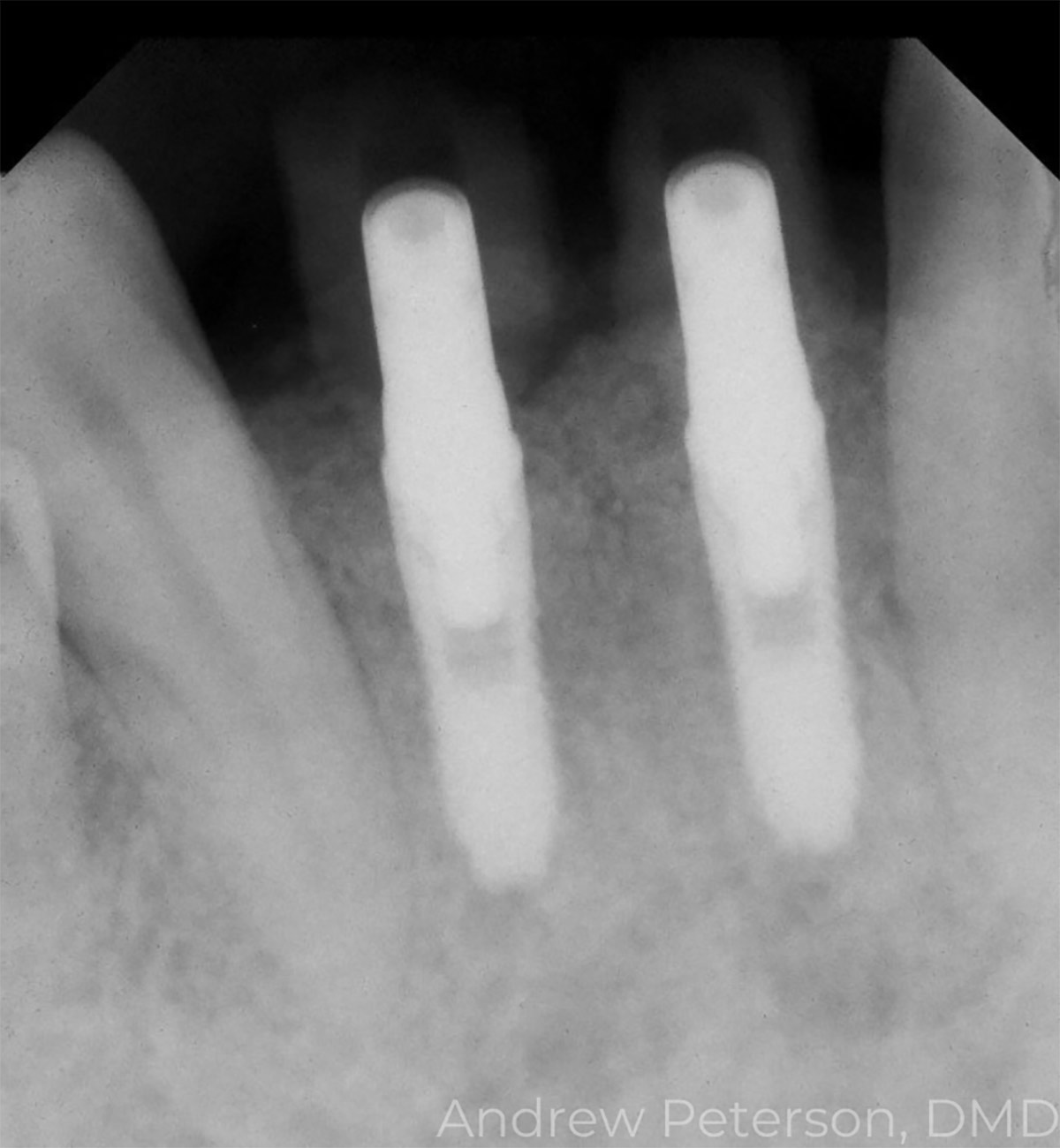
Furthermore, Dr. Peterson (Arcadia Perio in Arcadia, California) determined that two implants could be placed at sites 24 and 25.
Implant Placement
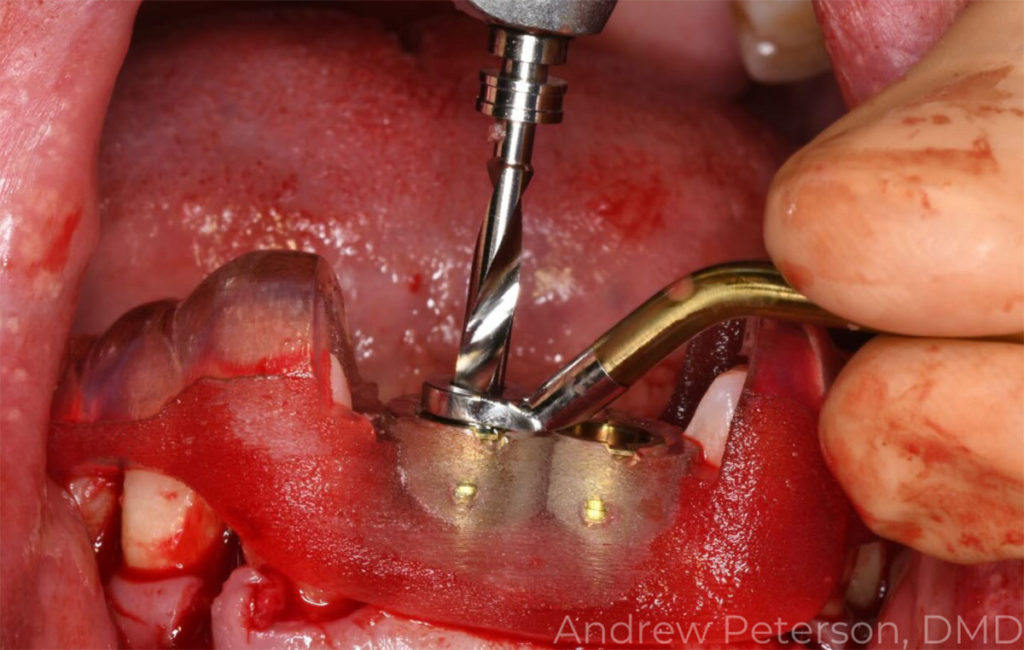
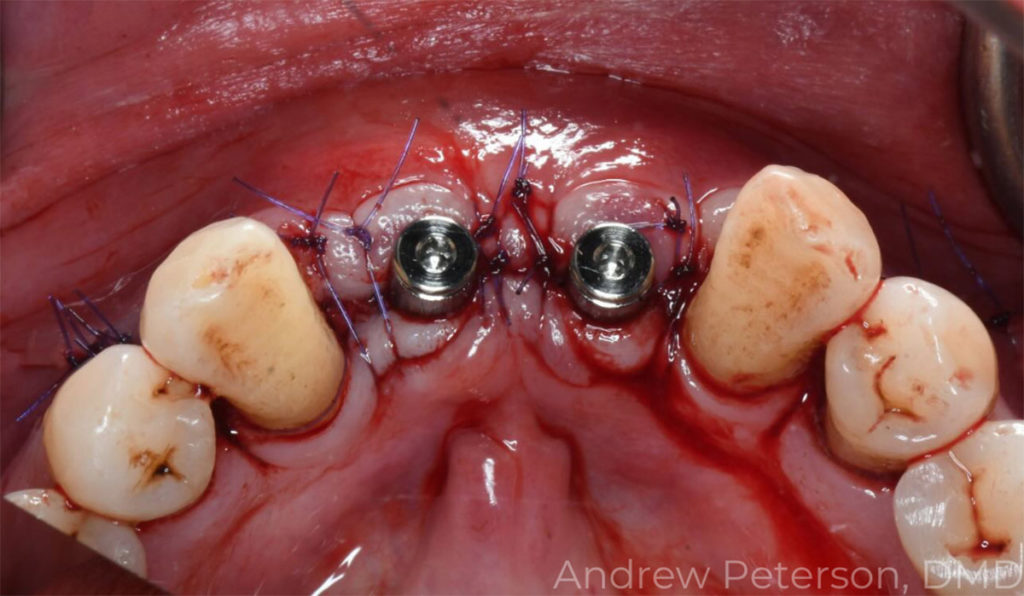
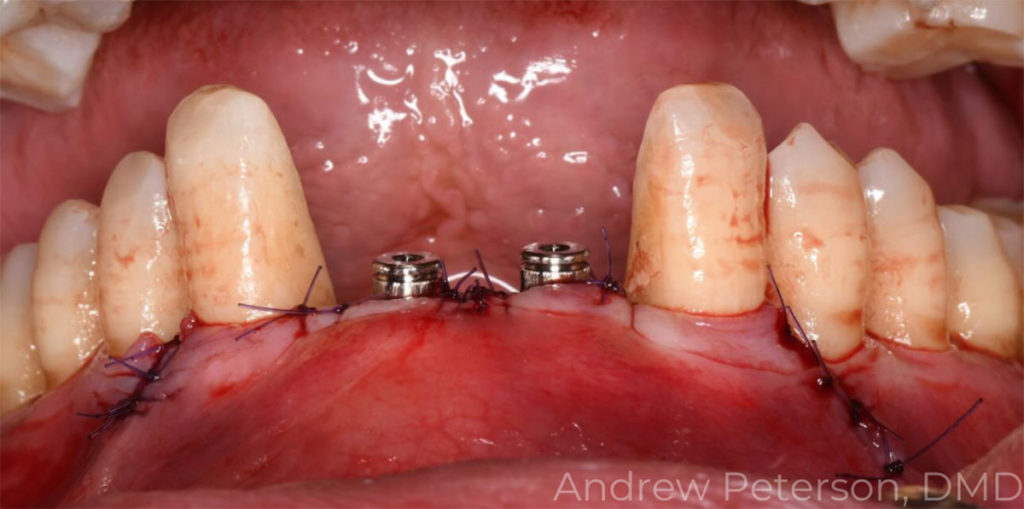
Guided surgery was used to place two BioHorizon 3.0 titanium implants. Using a guide to place implants helps to ensure the best possible positioning of the implants.
A surgical guide records every placement consideration, including location, depth, and angulation.
It has the following additional benefits:
IOS Digital Impessions
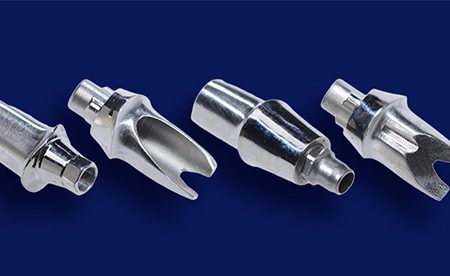
The appropriate scan bodies were placed over the implants as the next step. Acting as a digital impression coping, the scan bodies provide the necessary data for the lab to accurately fabricate abutments for the implant sites. For each implant platform, implant manufacturers offer a specific scan body.
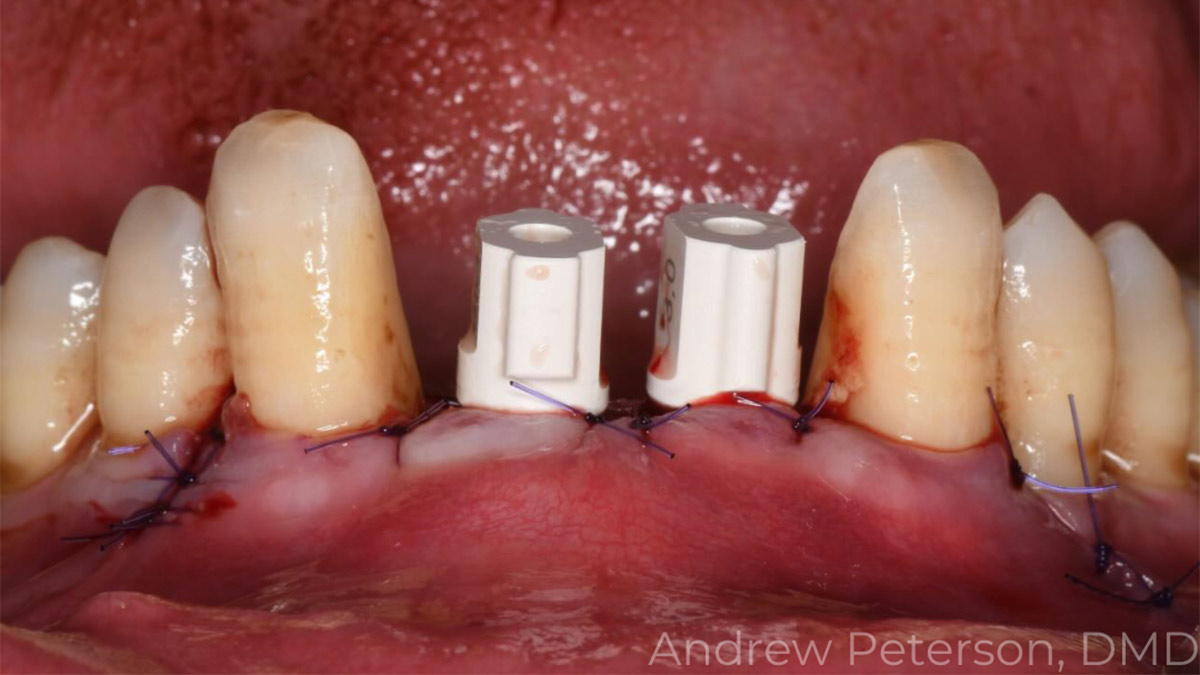
The scan body will provide the position, angle, and height information of the implant, which can be virtually transmitted to the lab.
Using an intraoral scanner, the case was scanned, and the digital files were sent to Burbank Dental Lab for fabrication. A significant advantage of digital scans is the speed at which the dental lab can receive the case.
In the past, shipping would have been required and the process would have taken longer. In this case, a quick turnaround was required, and the digital scans made it possible.
It is important to note that digital impressions, like traditional impression methods, require accuracy to ensure precision in the final case.
For best results, it is recommended that you do the following:
Fabrication Process
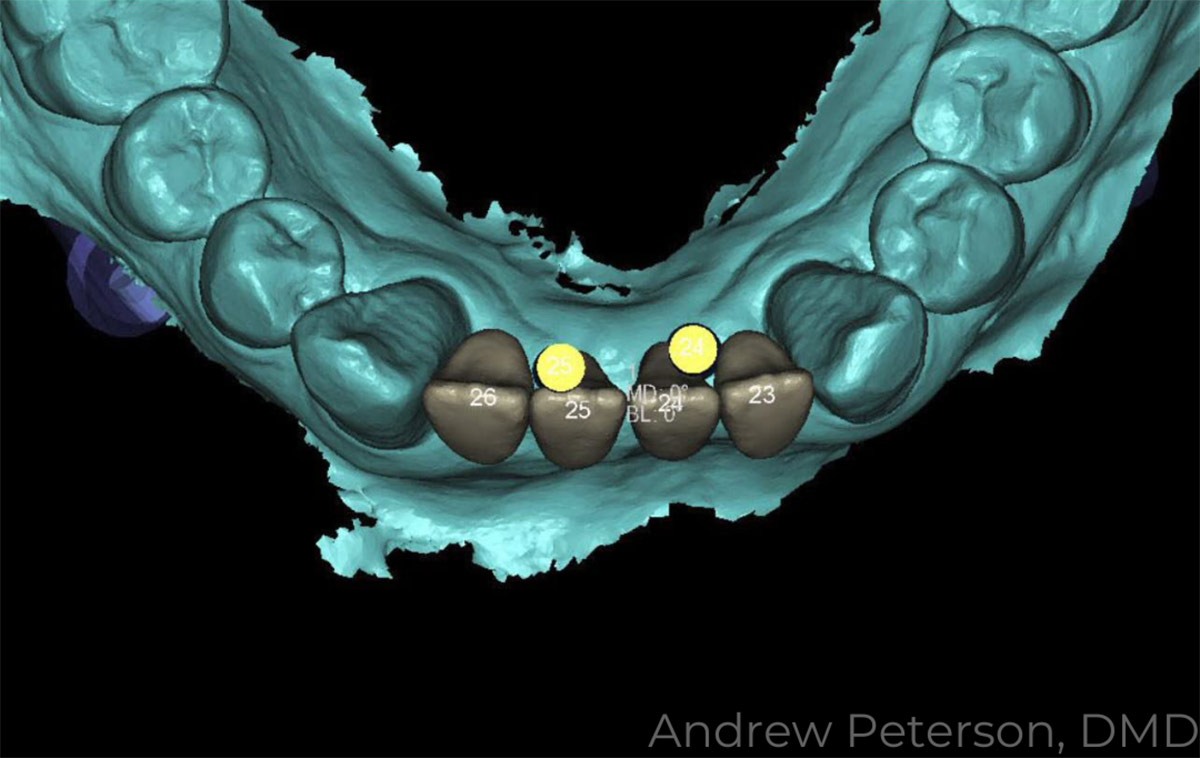
The fabrication process can begin now that the digital files have been downloaded. In this case, the patient was in the process of healing, and a temporary was required. Scan bodies provided implant information, while digital scans were used to fabricate digital models.
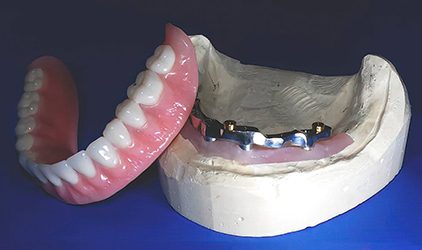
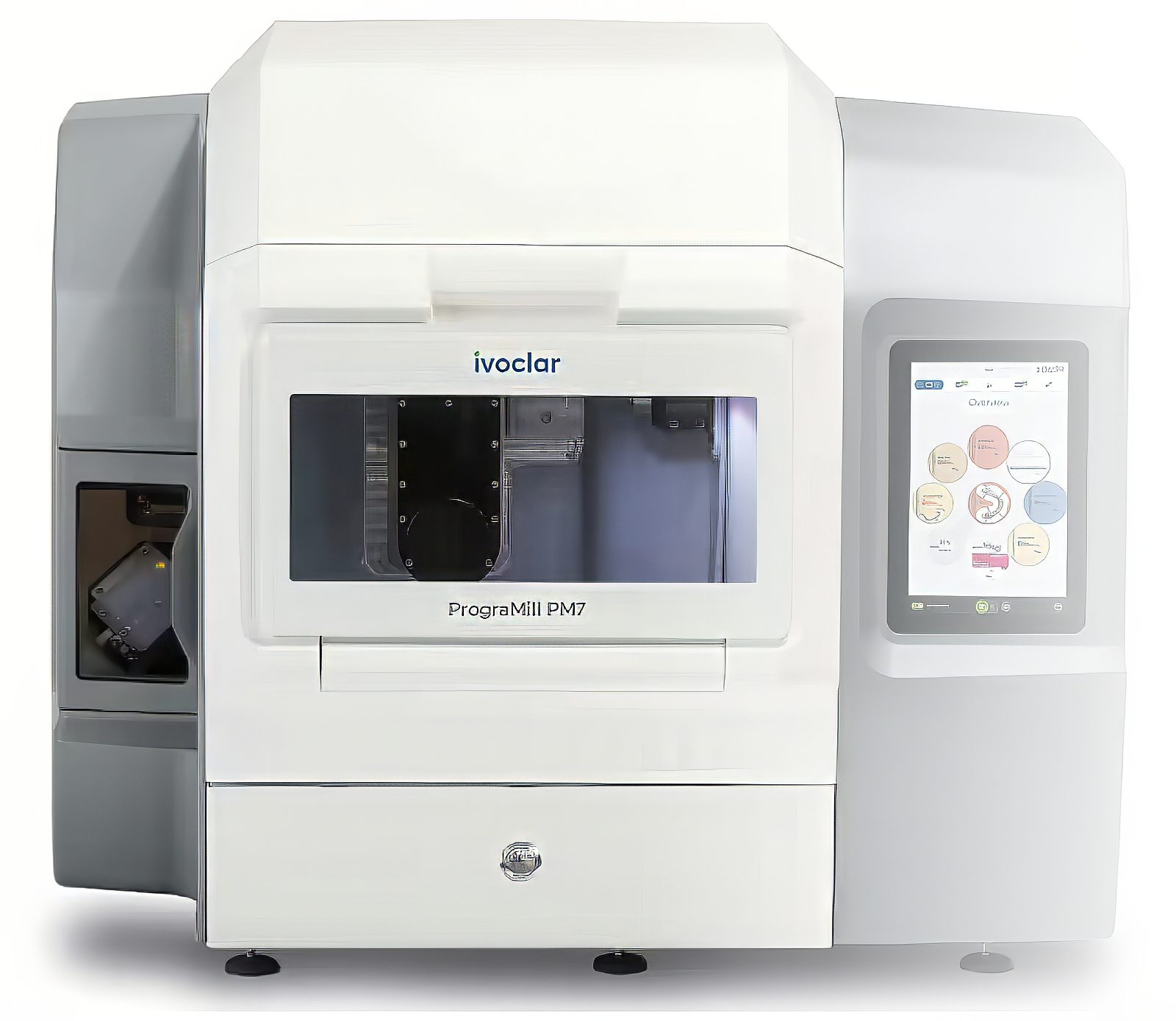
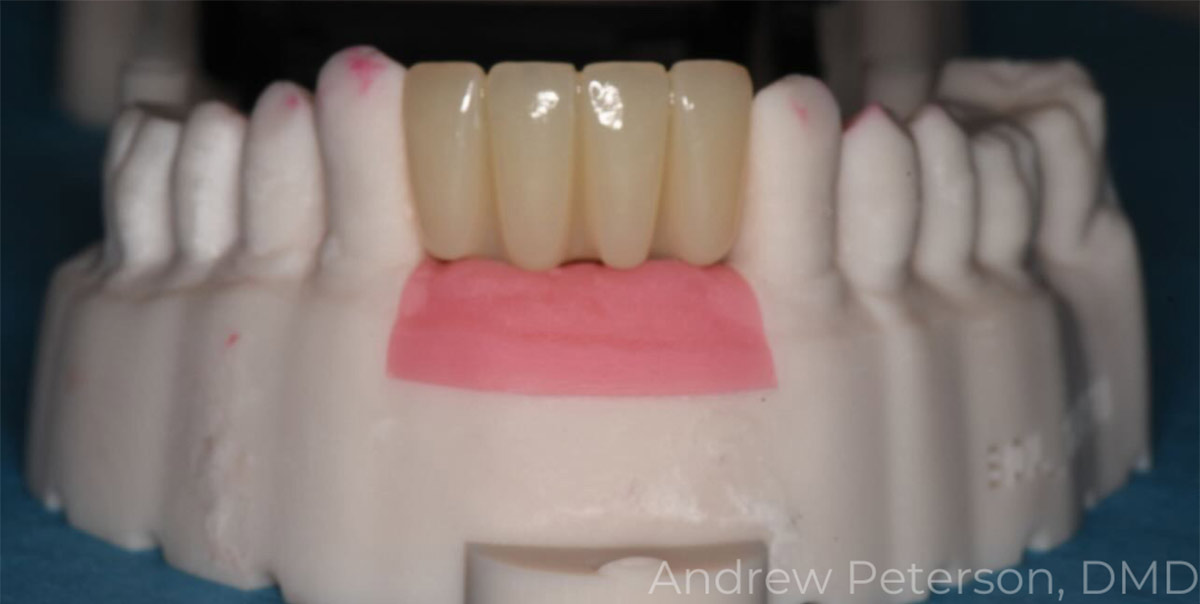
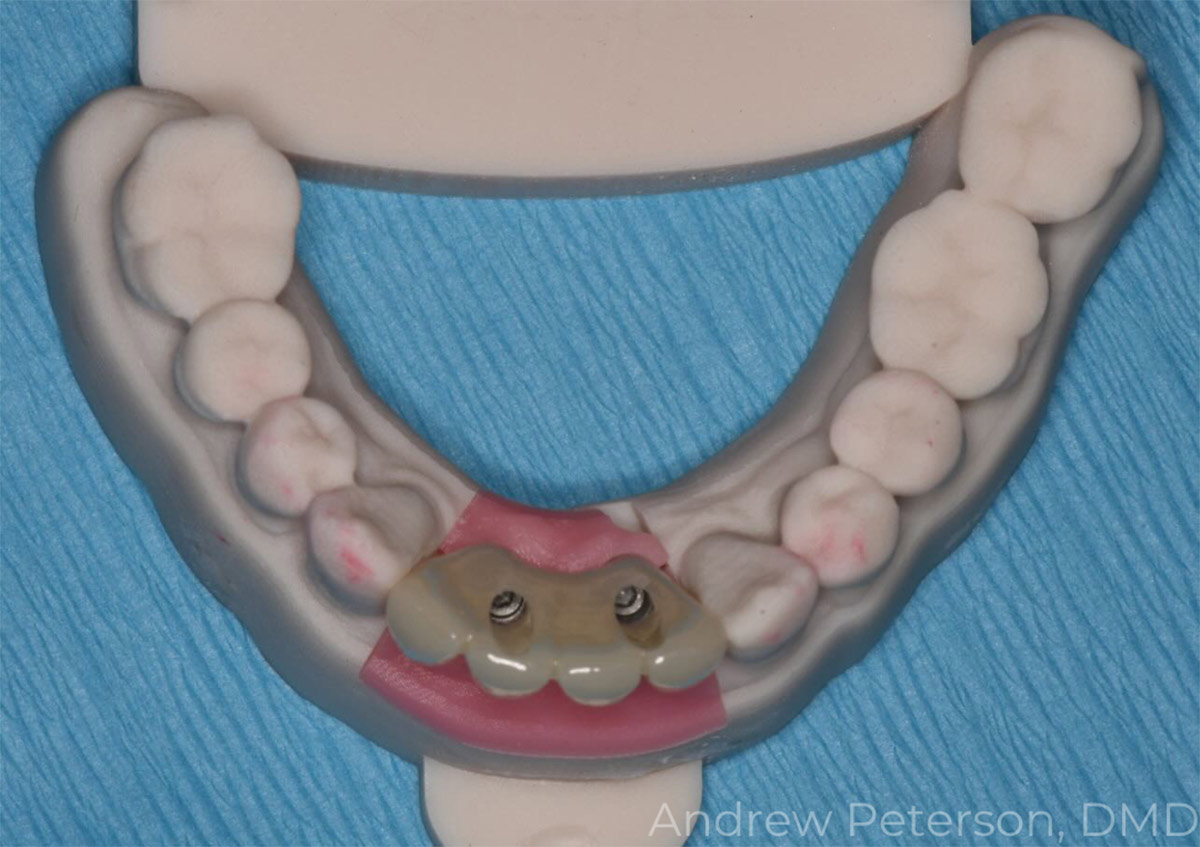
Implant sites 24 and 25 were fitted with non-engaging temp abutments. A four-unit screw-retained provisional restoration was digitally designed as one piece to fit over the temporary abutments from 23-26 (see the image below). A PMMA provisional was then milled.
After the temporary bridge was milled, it was fitted to the temporary abutments and stained and glazed to match the surrounding dentition.
DURATEMP PMMA

DURATEMP PMMA is a lab-fabricated provisional milled from polymethylmethacrylate or PMMA. Temporary solutions like this are recommended for cases that will last a long time, such as the one discussed here.
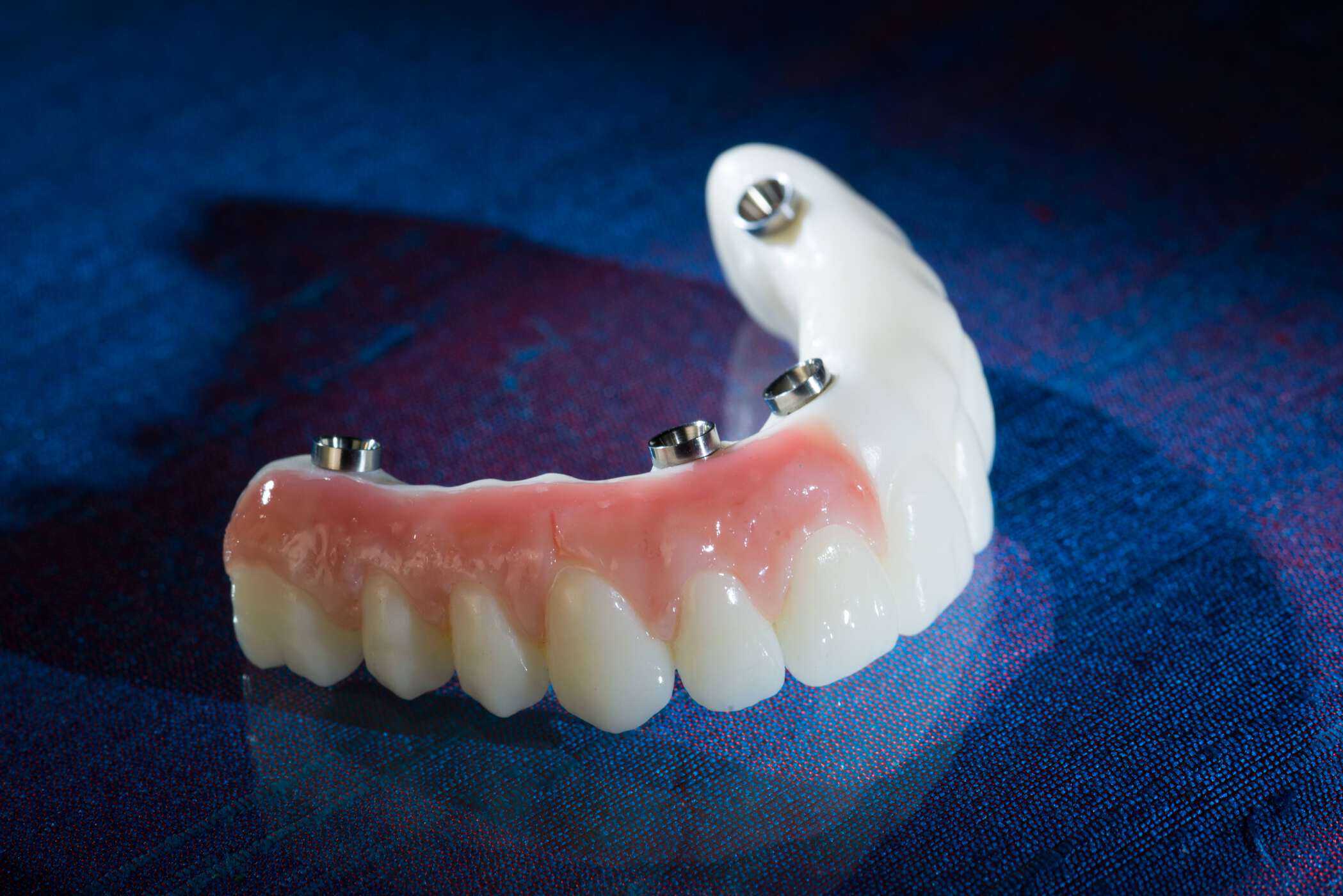
Compared to other temporary materials, this material is more durable. These are excellent options, especially in screw-retained implant cases, since they can cover titanium cylinders when used as temporary options.
Among the other benefits are:
The patient in this case study is now healing and will return to the office in 3 to 4 months for his final restoration.
Since so many people suffer from periodontal disease, implant therapy will continue to grow and be an excellent solution for treating edentulism. As the first stage of restorative treatment, this case shows how easily implant temporization can be accomplished.
Burbank Dental Lab would like to thank Dr. Andrew Peterson for providing the photos and notes for this case and allowing us to use them in this article.
Special Thanks
Burbank Dental Lab would like to thank Dr. Andrew Peterson, DMD, MS of Arcadia Perio for providing the photos and notes for this case and allowing us to use them in this article.


 Previous Post:

