
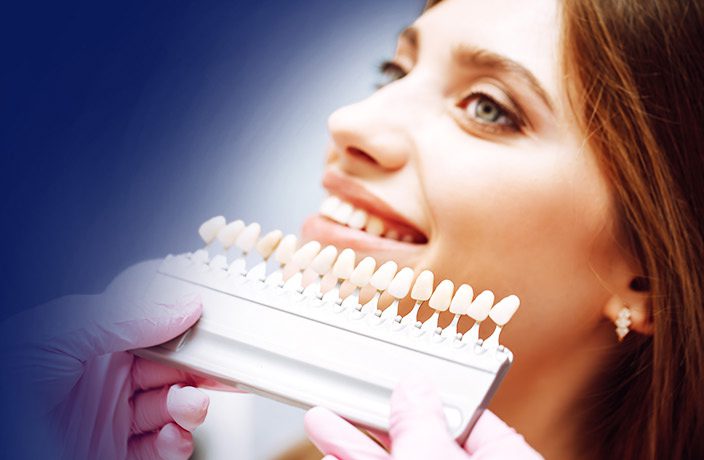

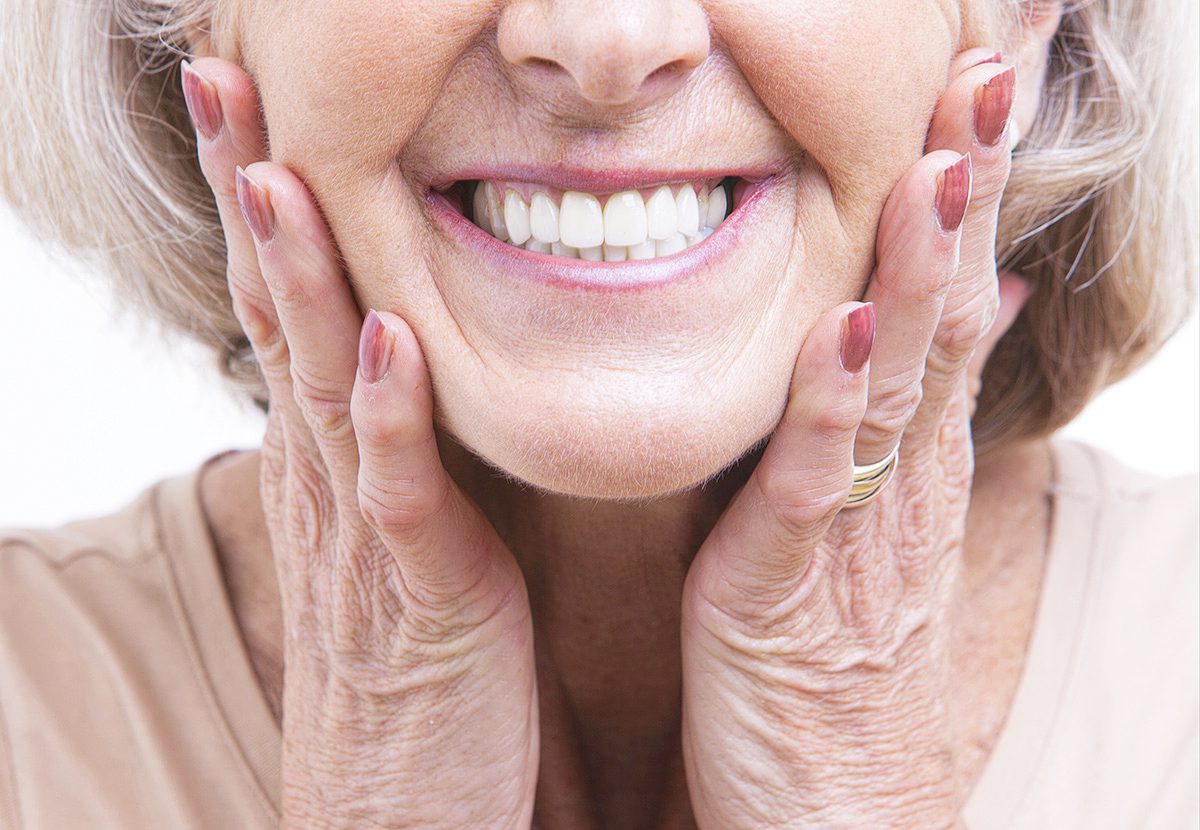



The conservative nature of porcelain veneers makes them the ideal solution for restoring and improving dentition. Porcelain has excellent light transmission ability, making it an excellent option for matching natural teeth. Veneer restorations, once they are bonded to the tooth, can last for years. The key to an excellent veneer case is, of course, proper planning. However, a clear understanding of the materials being used and the goals of the case may be equally important.
Smiles By Design

This is why the Smiles By Design team from Burbank Dental Lab was developed. This team includes advanced dental technicians who understand the following:
This team has completed hundreds of hours of advanced continuing education courses to stay informed and continue to advance. This is a critical component of achieving cases that create customer satisfaction and create fans of the dental practice.
CASE STUDY
Burbank Dental Lab is grateful to Dr. Timothy Prewitt for sending in the following case.
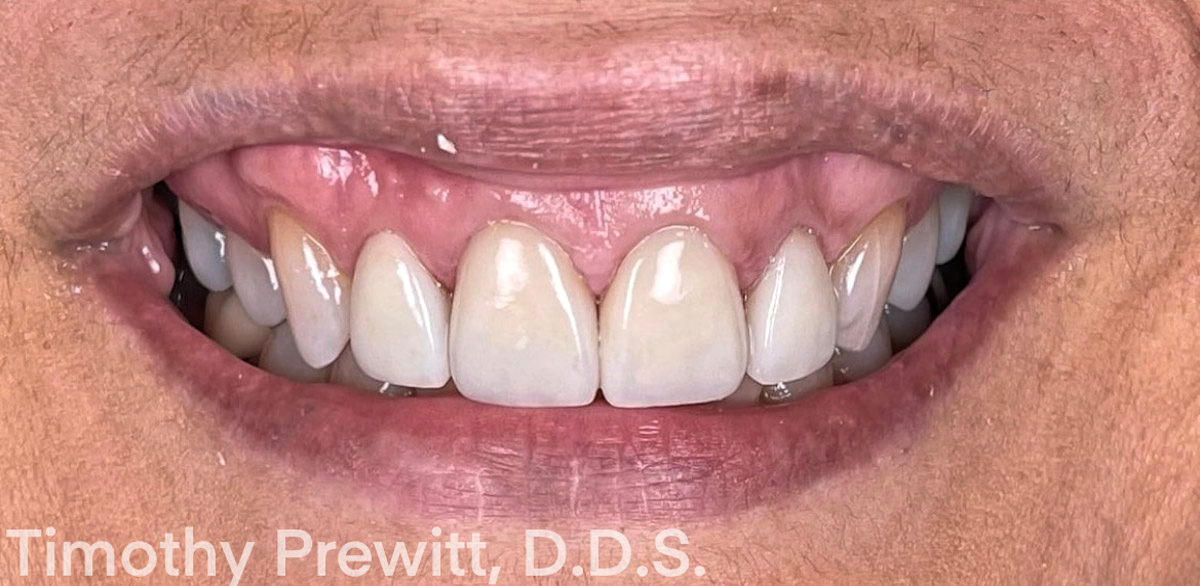
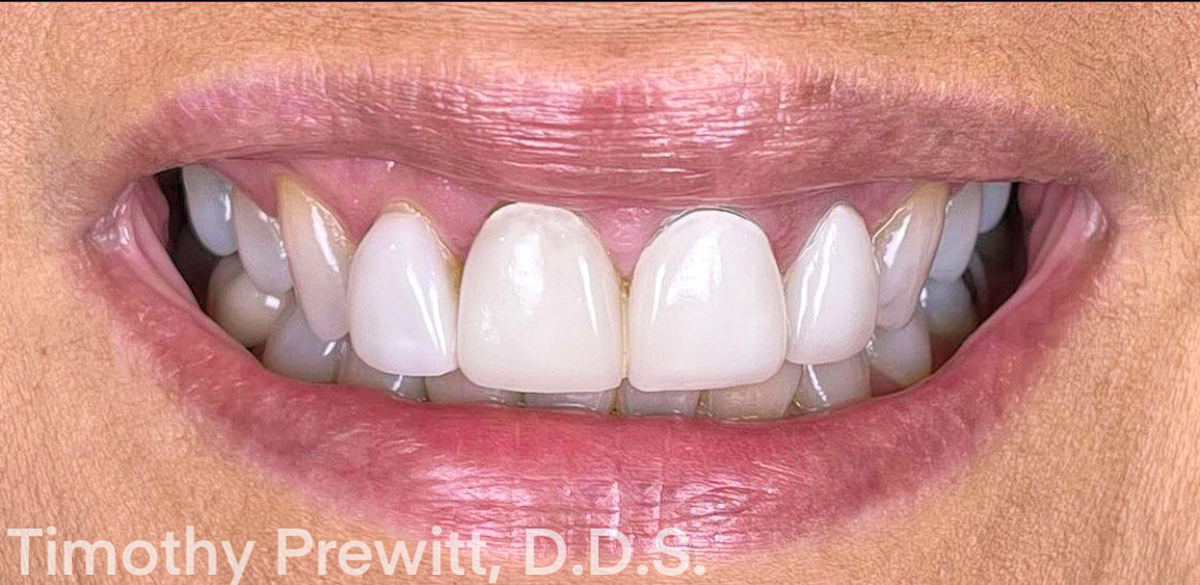
This patient came to Dr. Prewitt with old veneers that needed to be replaced. The patient’s chief complaint was how unnatural the veneers looked and did not blend well with her natural teeth. It was decided that the patient would need to replace teeth 7, 8, 9, and 10. The goal would be to use layered E.max restorations to create a better blend with the rest of the oral environment.
E.max
E.max was chosen for this case to offer the best option for matching the natural dentition. The properties of e.max make it one of the best options for staying with a conservative preparation and receiving the highest esthetic results. While this material can be monolithic with the option of staining the surface to achieve the end result, it was decided that layered e.max would provide the most lifelike natural result.
Other benefits of e.max include:
After examination, the shade chosen was an A1. Pictures were also sent along to help the ceramist match the specific characterizations and details.
Digital Impressions
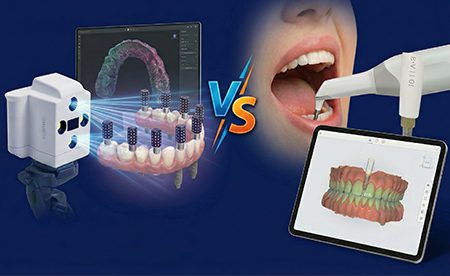
This case used a digital workflow. Specifically, an intraoral scanner or IOS was used to take digital impressions. Taking impressions digitally can improve impression accuracy, is much faster, and most patients prefer this method over traditional impression-taking methods.
Other benefits of intraoral scanners include:
In addition, having an intraoral scanner is advanced technology. Patients tend to recognize this and are more drawn to an advanced dental practice. This can be important when building up trust so that patients agree to needed care.
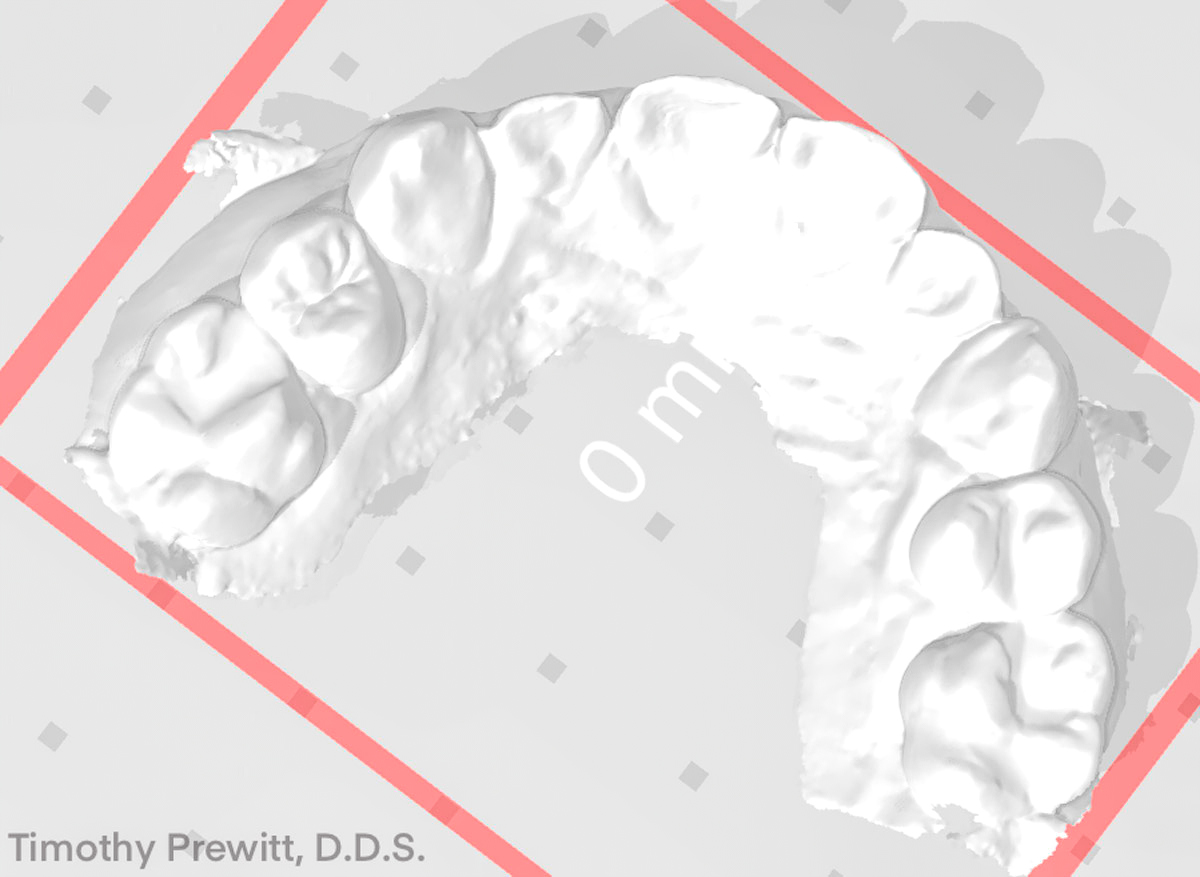
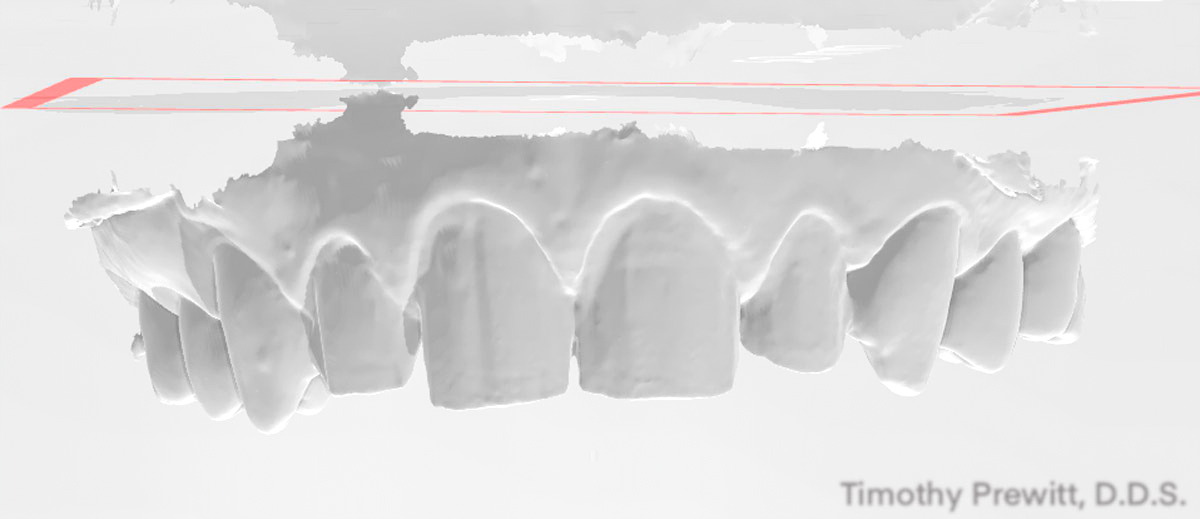
Dr. Prewitt uploaded digital files through the Burbank Dental Lab web portal. The files were analyzed to ensure accuracy and evaluate preparation. Models were then fabricated from the digital files.
The information for this case, along with the printed models, was evaluated by the Smiles by Design team. The patient’s concerns were noted, and Dr. Prewitt’s prescription form was followed.
The key to this case was to make the teeth look natural and blend with the patient’s existing teeth. This was a pressed layered Emax case, so the case was waxed up with a cutback to allow for the layering of porcelain. The margins were sealed, and the case pressed. This case was finished and characterized to create a better blend with the patient’s natural teeth.
Steps for A Successful Case
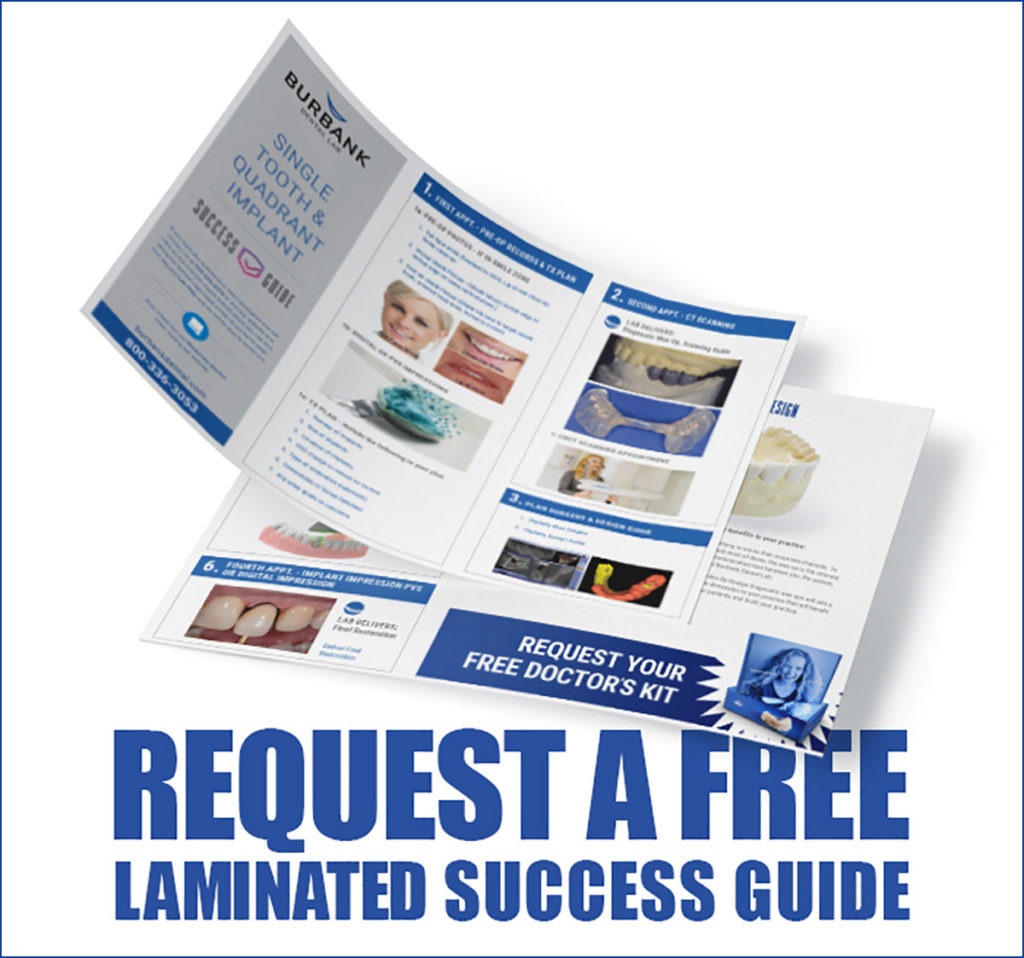
Burbank Dental Lab received feedback that both Dr. Prewitt and the patient were happy with the results. Successful cases tend to follow these steps:

Before And After
With the proper information and the knowledge and expertise of an excellent ceramist like those that are part of the Smiles by Design team, case success is achievable.
BEFORE
AFTER
Porcelain veneers can make a huge impact on the improvement of a person’s smile. Continuing to improve workflows that ensure that these cases meet the needs of doctors and patients is a focus at Burbank Dental Lab.
Need to discuss a case?
Call or chat with us today.
Thank you Dr. Timothy Prewitt, D.D.S.
We would like to thank Dr. Timothy Prewitt for letting us work with him on this case and for providing the pictures, illustrations, and notes needed for this article.


 Previous Post:

