






Advances in computer science have profoundly changed the dental industry by bringing significant changes in the way dental procedures are completed. Technologies such as cone beam computed tomography (CBCT) scans, computer-aided design, manufacturing (CAD/CAM) workflows, and intraoral scanners have created advantages that affect the dental laboratories, clinicians, and patients alike. These technologies are increasingly taking over the more traditional workflows, and this is especially true in the area of digital impressions using an intraoral scanner.
Intaoral Scanner Benefits
As stated above, one of the main benefits of a digital impression is the ability to immediately assess the level of accuracy of a digital scan while the patient is still in the chair. The images can be enlarged and moved to provide an incredibly enhanced view of the case. This helps to ensure the margins are clear and all of the necessary data is in the scan to complete the treatment.
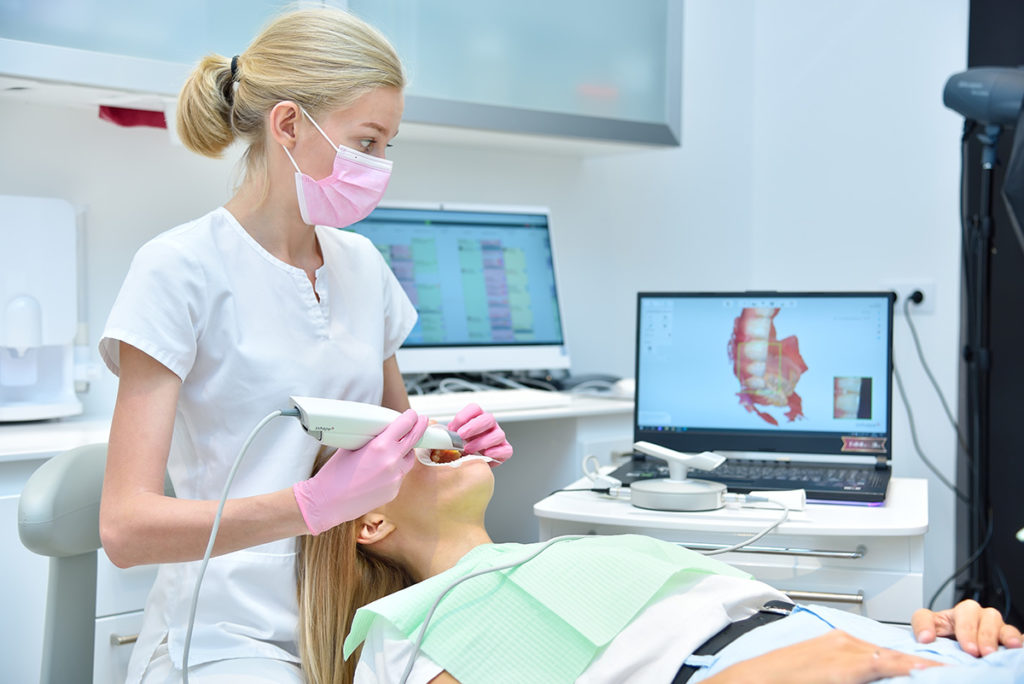
The occlusal relationship can also be analyzed to decide on whether the occlusal clearance is adequate for the desired material selection.
Other benefits of intraoral scanners include:
Overall digital impressions reduce labor and eliminate the guesswork as to the accuracy of an impression. They save time, eliminate return visits and reduce costs.
Burbank Dental Lab completely embraced digital technologies from the start. This has made Burbank Dental Lab one of the most knowledgeable dental labs in this space and has helped hundreds of dentists transition to digital workflows.
How To Get Started
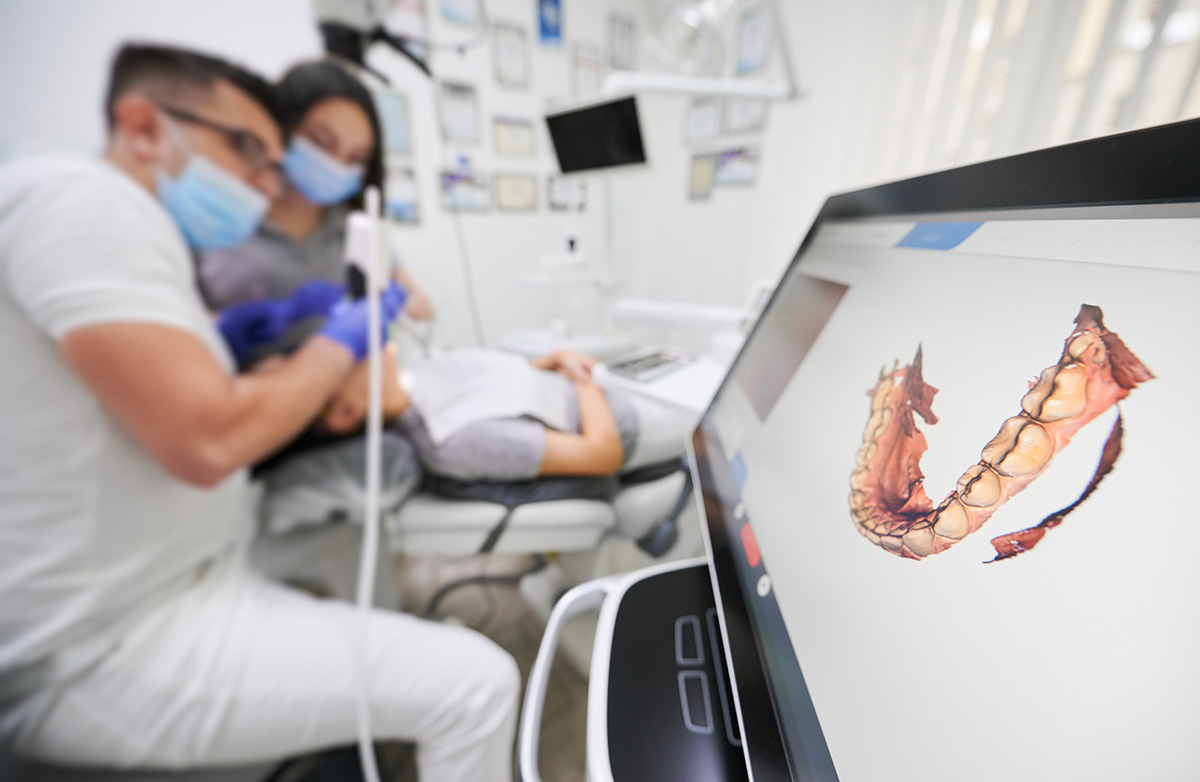
Digital dentistry is easily one of the most discussed topics in dentistry. The idea of switching a practice over to this type of new technology can seem daunting. Research is critical when trying to decide on the right system and workflow to adopt. To help with making the decision, consider the following:
- Determine what the equipment will be used for. This step will evaluate issues like whether digital impressions will be used to send files to an outside laboratory for processing or will the scans be used for onsite milling.
- One of the key things to consider is the intraoral scanner’s ease of use. Some systems are easy to use, allowing the operator to obtain a scan with minimal training. Others require more training and can be difficult to use even with training.
- Consider the design of the scanner, in particular the size of the wand. This is an important element as it will determine the overall comfort felt by the operator when using the equipment.
- Evaluate the functionality of the scanner. Consider the responsiveness of the scanner, how it handles moving from one quadrant to the other, the speed and overall flow of the scan.
- Of course, Intraoral scanners vary greatly on price, the focus should be more on functionality and getting equipment that will provide the right output based on individual needs.
When considering going digital, incorporate the expertise of Burbank Dental Lab for guidance. As an early adopter of digital technologies, Burbank Dental Lab can be a great resource in helping you evaluate each of the options available.
Implementation of Digital Workflows

Once the equipment has been decided upon, it is important to implement the system in stages and get the entire dental practice team on board. With any changes that occur in a practice, it takes the cooperation of the entire team to ensure a smooth transition. To ensure a successful digital workflow, follow the tips below:
It is important to be proactive in the transitioning process and have a clear, well-thought-out plan. Communication with everyone involved, from the dental team to the dental laboratory, will help make the process seamless.
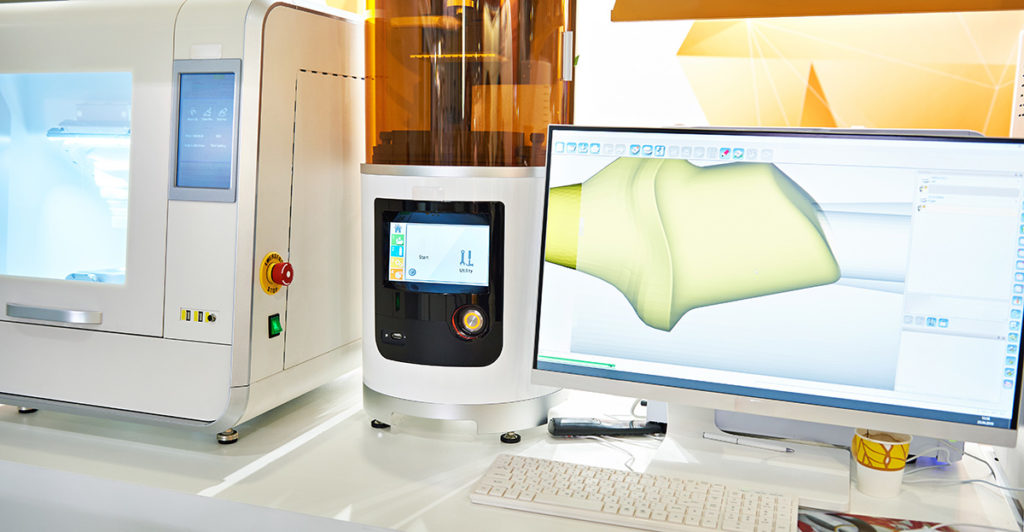
Burbank Dental Lab has been involved with digital dentistry from the beginning. Digitization is reshaping many industries, and the dental industry is one of the most impacted.
By being at the forefront of this technology, Burbank Dental Lab can proudly say that they have the most experienced digital dental team in the country. Our digital department works on simple single unit cases and complex multi-unit digital implant cases. Let us know how we can assist your practice on any stage of your digital workflow journey.



 Previous Post:

