

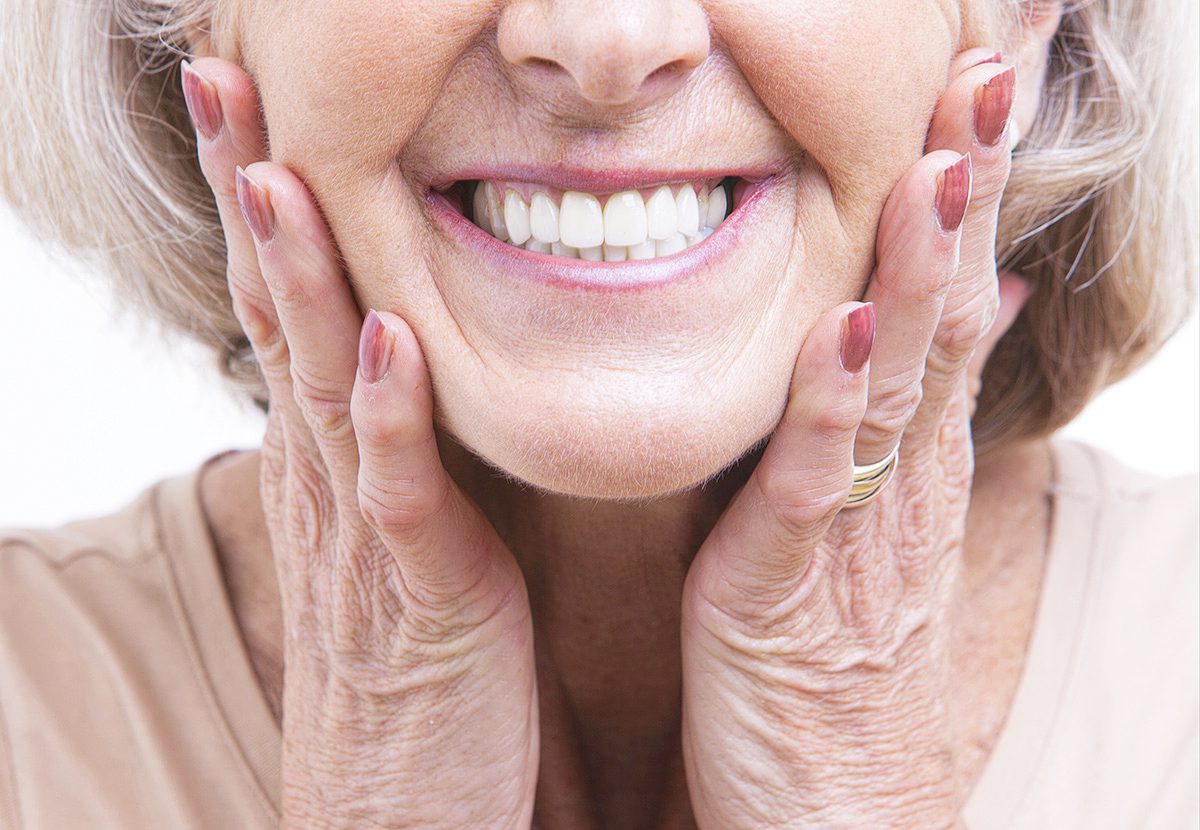




A fixed implant prosthesis is a great option in the treatment of edentulism. A full-arch implant-supported restoration significantly improves the patient’s quality of life. Not only is this one of the best options for restoring overall oral function, but it also supports healthy bone and soft tissue, providing a more aesthetically pleasing and comfortable solution.
While there are several options in the type of materials used in the fabrication of a fixed prosthesis, the SmartComposite hybrid offers a unique option for many cases.
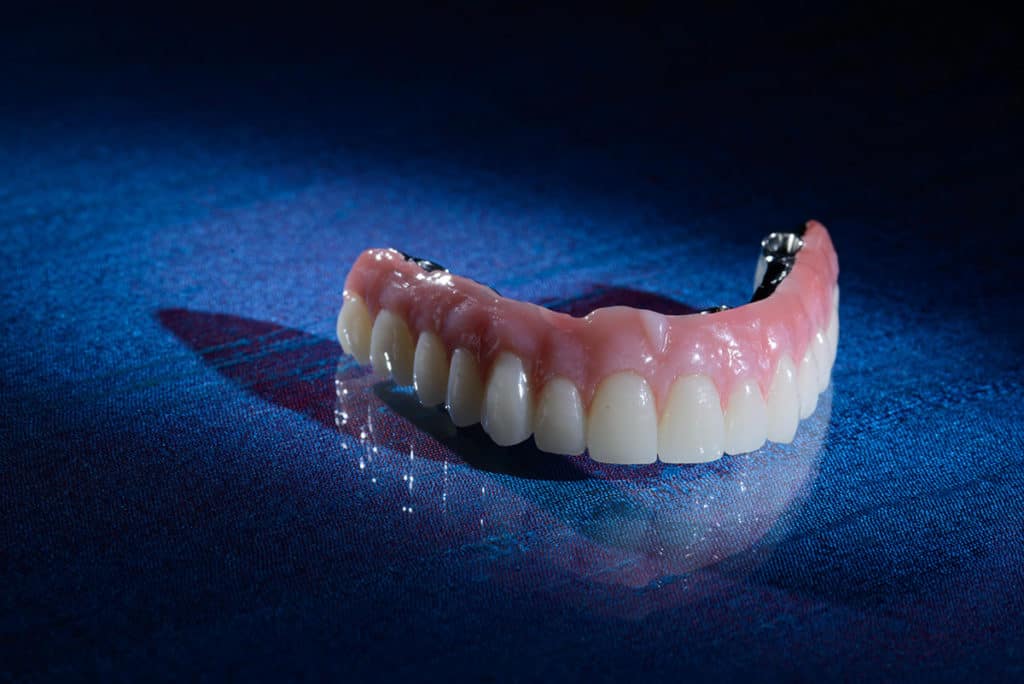
SmartComposite Hybrid
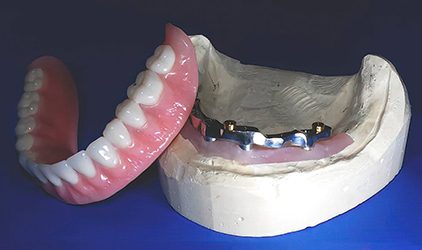
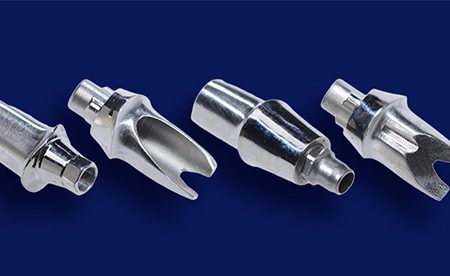
The SmartComposite hybrid is a milled composite over a milled cobalt-chromium alloy. The alloy frame is a biocompatible material that is free of both beryllium and nickel. This material is resistant to corrosion as well as chemically inert.
Milled frames are known to offer a superior fit to frames that are cast. Frames such as those used in the SmartComposite restorations fit more passively as the milling process tends to eliminate inaccuracies that are often introduced when casting a frame. Passive fitting frameworks lower both the biological and mechanical complications.
The hybrid composite is then designed and milled to fit the cobalt-chromium frame. The composite is bonded to the frame, and a pink composite is used to replicate the look of the tissue.
The entire restoration is then polished and ready to insert.
Indications
The best situation to prescribe this material is when restoring a full arch or a large span of missing dentition.
The interocclusal distance from where the implant is to the opposing must be at least 13 millimeters.
The buccal to lingual distance should be at least 9 millimeters, with the lingual buccal thickness from the screw hole a minimum of 3 millimeters.
Additionally, the vertical dimension of occlusion (VDO) should not be opened arbitrarily. The VDO must be evaluated to ensure unnecessary forces are not placed on the jaw.
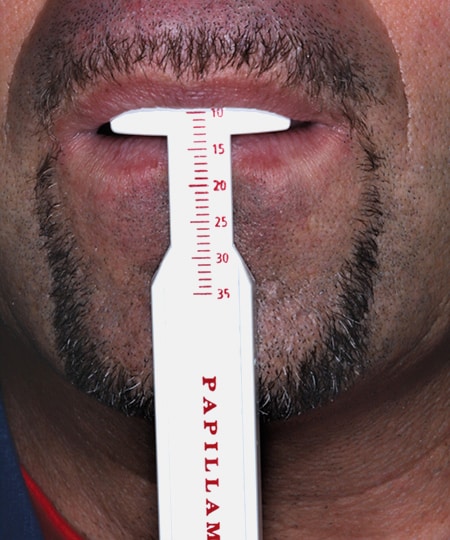
Because edentulous patients do not have alveolar adaptation due to the implant placements, the elevator muscles and contractive forces increase. They are unable to adapt in order to compensate, and therefore, the VDO must be carefully considered.
The Properties of Composite
The properties of the composite help to create an ideal situation in many full-arch fixed implant cases. In situations where there is a nonadaptive masticatory system, issues can arise in the mouth. In these types of situations, having a material that is easy to repair and has the benefit of wearing in a similar manner to natural dentition is important to overall case success.
The SmartComposite hybrid is a great material that wears like natural teeth and is repairable.
In addition, this hybrid has these additional properties:
Monolithic zirconia restorations are often prescribed on the maxillary. When the mandibular arch also needs to be restored, a SmartComposite hybrid can be a great option.
A SmartComposite hybrid provides stress relief throughout the mouth when it is opposing a zirconia hybrid.
FREE TO DOWNLOAD – SUCCESS GUIDES
DOWNLOAD A GUIDE
SmartComposite Hybrid Workflow
To ensure these cases are successful, it is imperative to plan accordingly. If the case is not properly planned, it can result in poorly placed implants, making it difficult to achieve a successful outcome and leading to patient dissatisfaction.
To properly plan a case like this, it is important to look for any esthetic issues that may have been caused as a result of bone loss. In addition, the vertical clearance must be evaluated as well as the smile line.
Also, it is important to evaluate the overall condition of the oral environment by providing these diagnostic steps:
These will all help with treatment planning, material selection, and esthetic considerations to help ensure the patient’s expectations are managed and met.
Depending on where the case is in the treatment process, there are different steps that should be followed. If the case is in the implant placement steps, a surgical guide is advised to ensure the implants are placed in the best locations.
Burbank Dental Lab can provide surgical guides from a variety of workflows.
After the implants have been placed, the following information needs to be collected:
1. Using a conversion denture, take a postoperative bite. (see image)
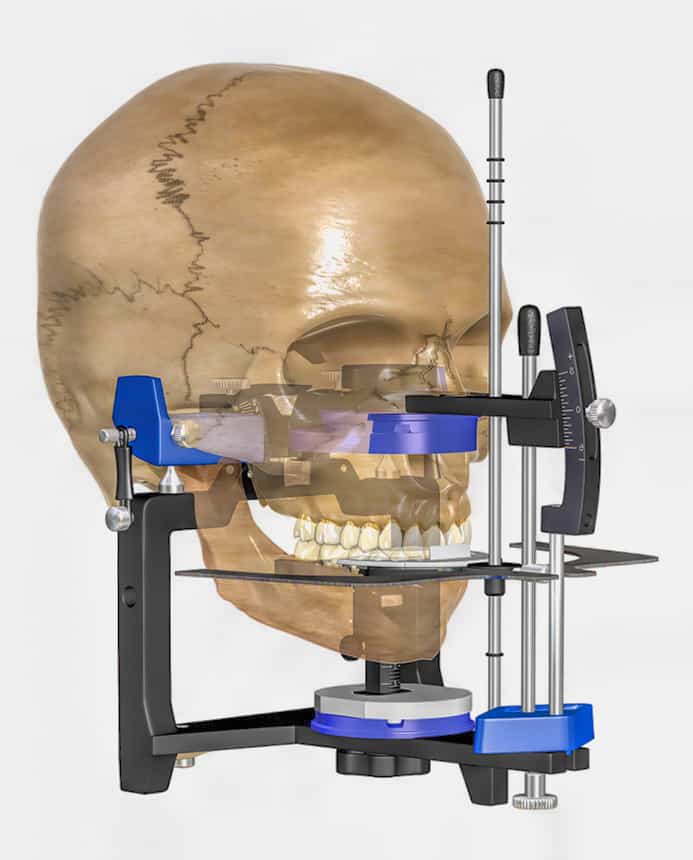
2. A Kois Analyzer should be used to record: (see image)
- The facial midline
- Horizontal Plane
- Condyle relationship
3. Photographs
- Full face from forehead to chin
- Smile close-up
- Lips at rest
- Photos with the shade tab showing the desired shade
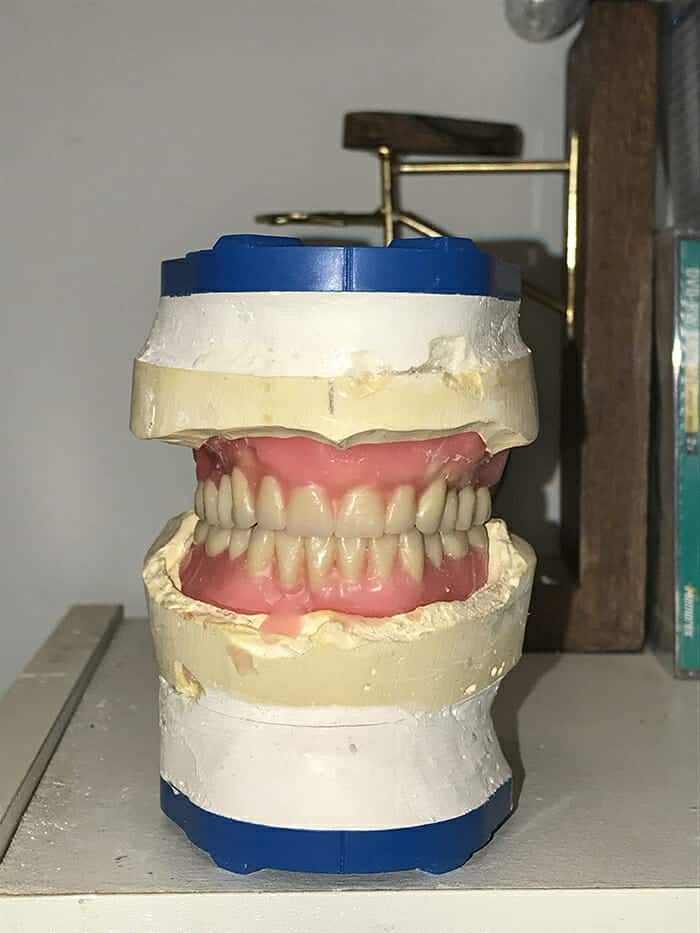
Using a conversion denture, take a postoperative bite.
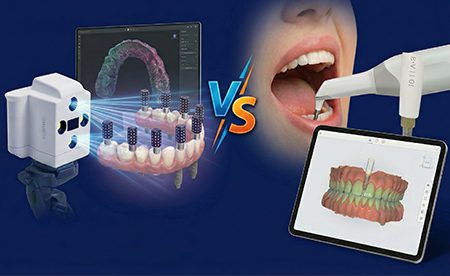
It is important to note that these cases are being done with traditional workflows, but they are also being successfully restored using completely digital workflows as well.
Burbank Dental Lab is a leader in restoring implant cases with fixed prostheses. The implant team is one of the most knowledgeable in the industry, and they are able to offer extensive support when restoring these life-changing cases.
Contact Burbank Dental Lab today to consult with an implant team member on your next implant-supported hybrid case.


 Previous Post:

