


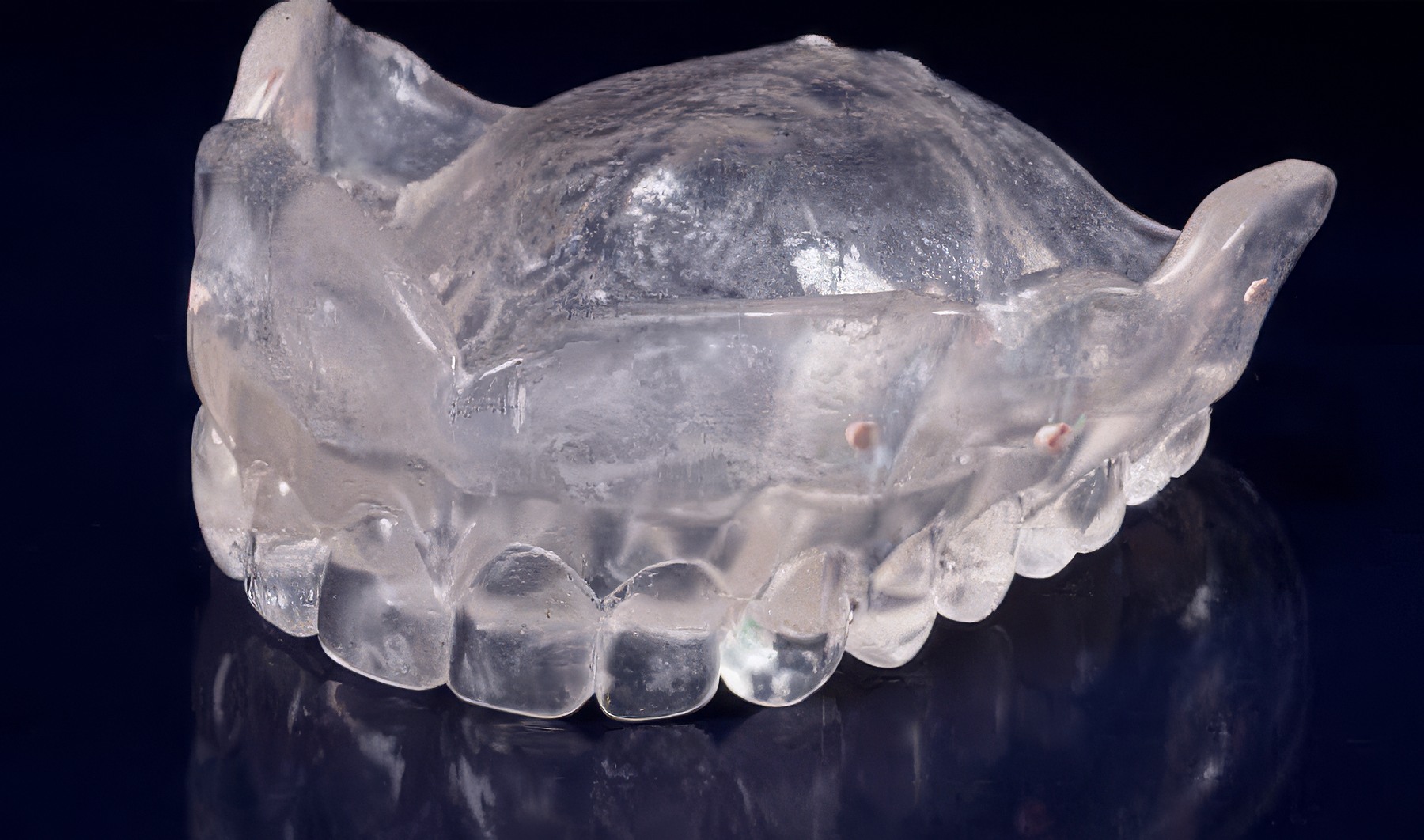
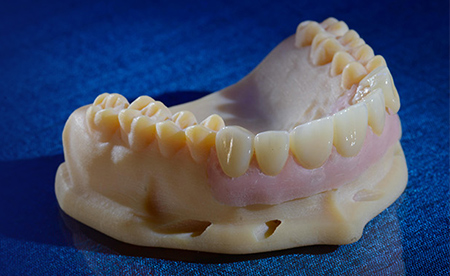


What does it mean when the term "digital denture" is used? There is not just one single answer to that question. The reality is that workflow for a “digital denture” is dependent on what records you gather at the first appointment. While the term that we are discussing here is “digital denture,” virtually all of the workflows commonly being presented today begin with a fundamentally conventional impression and bite relationship process.
Examples of denture impression systems:
What I will present today is a way to cut the number of your appointments down from 5 to 3, digital or conventional. This will outline the basic steps for a technique that I have seen Dr. Cory Glenn and other digital gurus use for the initial appointment. Then they scan the primary/final impression records taken, and the rest of the process is digital. These steps are used by several of our clinicians within a conventional workflow as well.
It is ALL about taking the time on the FIRST appointment. It takes sharpening your "lab" skills a bit and creating and collecting records in your first clinical appointment that will be the foundation to go straight to set-up on second appointments in most, if not all of your cases.

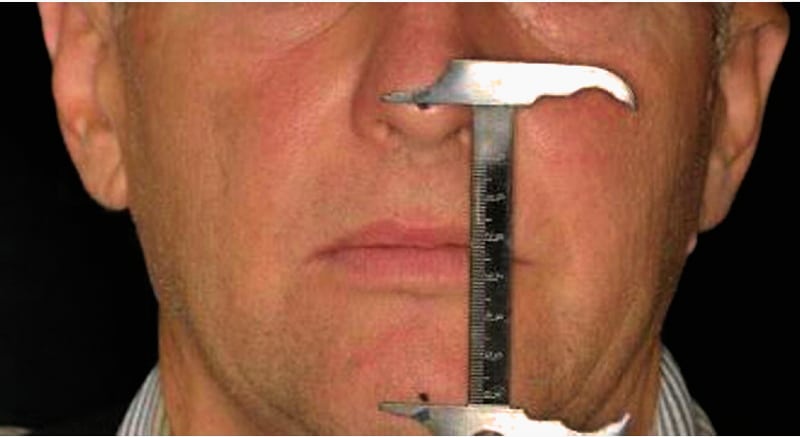


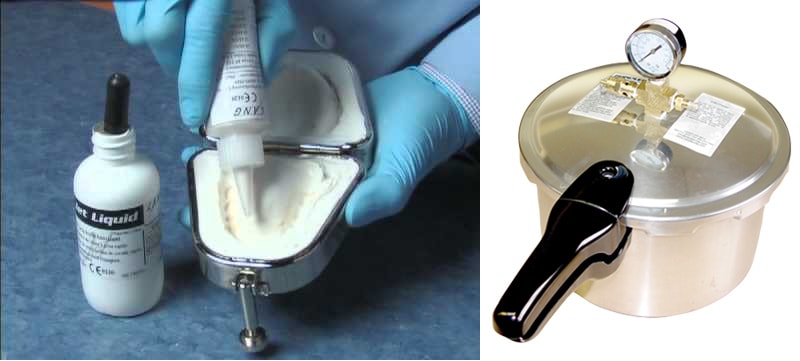
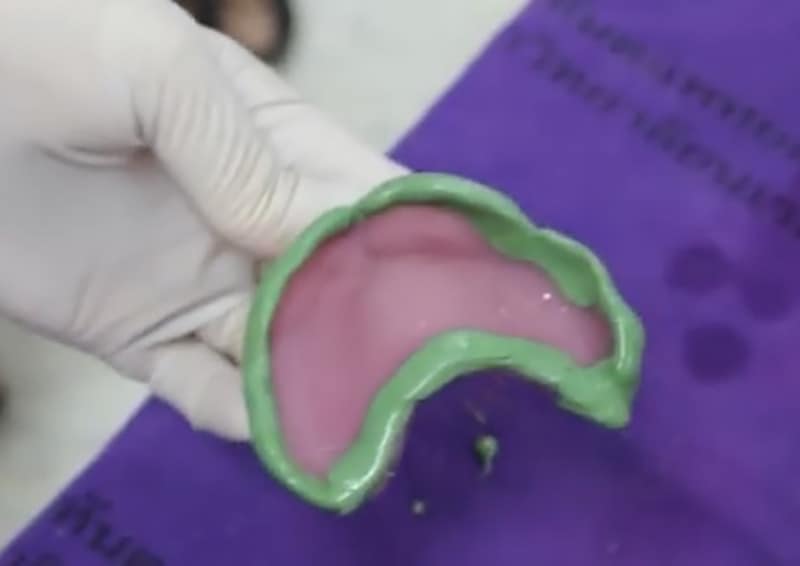
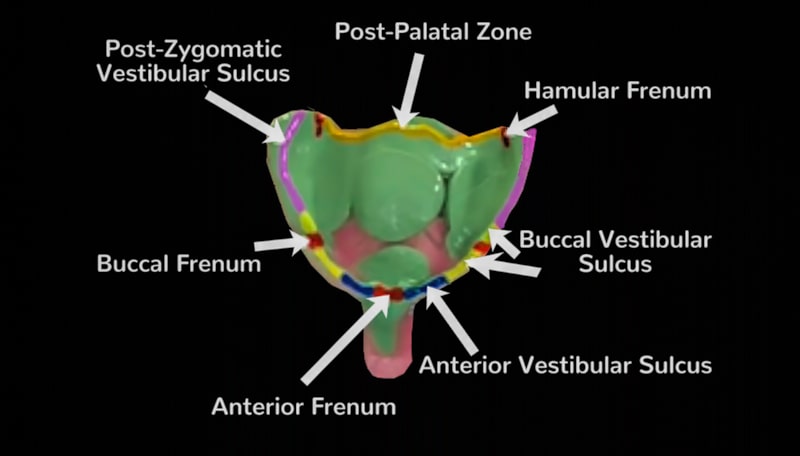
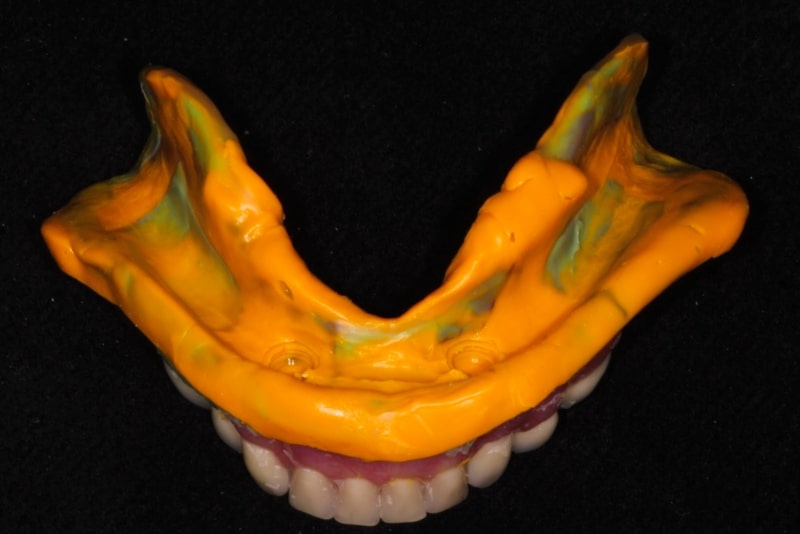
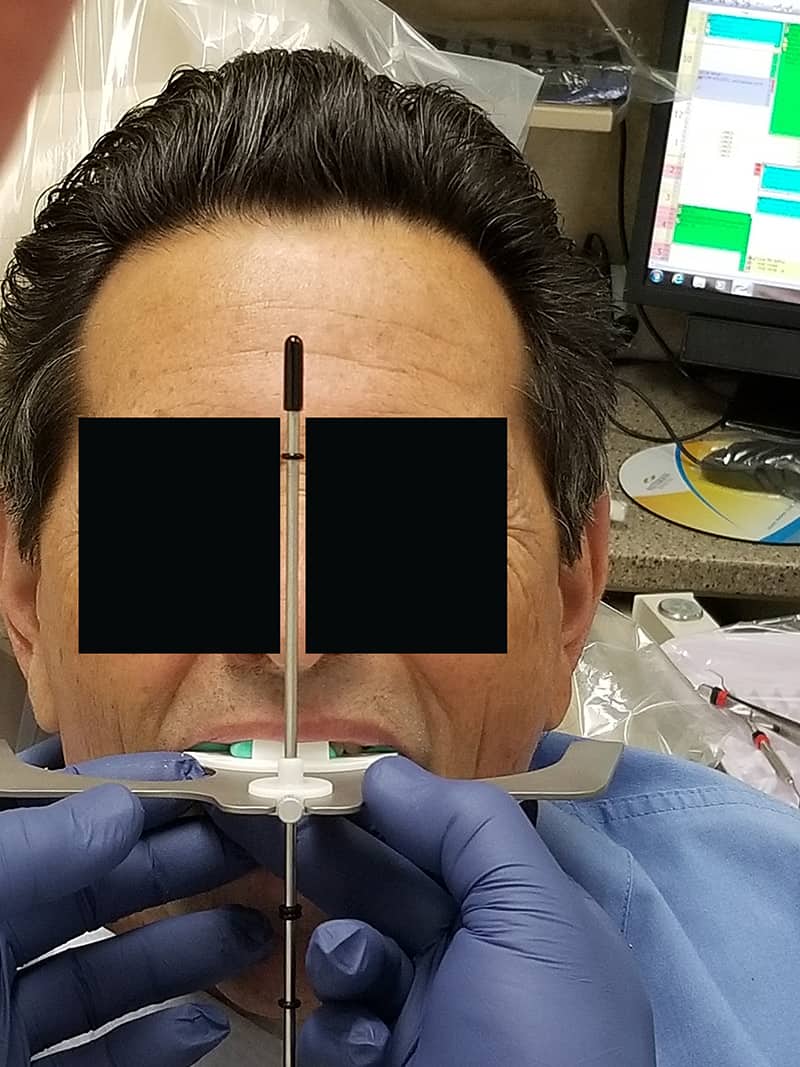
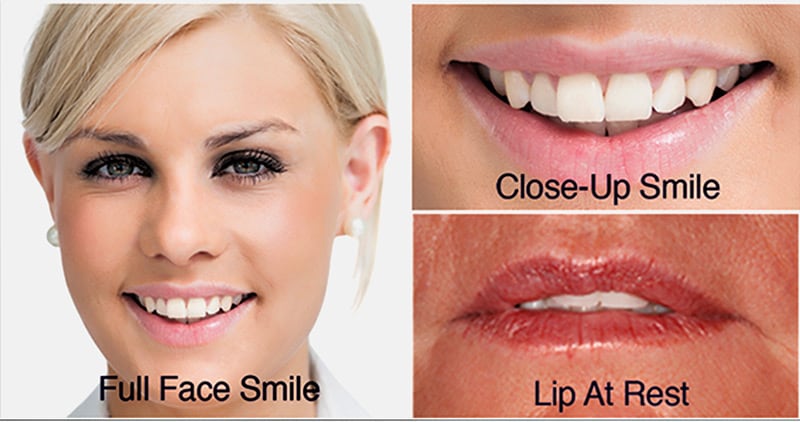
Send to the lab to fabricate teeth set-up try-in.
The lab can now articulate a duplicate denture/custom tray and proceed to set-up.
Today we have options both digital and conventional to fabricate a set-up for try-in from the records described above.
Conventional Workflow in Lab
Baseplate, wax and set denture teeth up in wax for try-in.
Digital Workflow in Lab
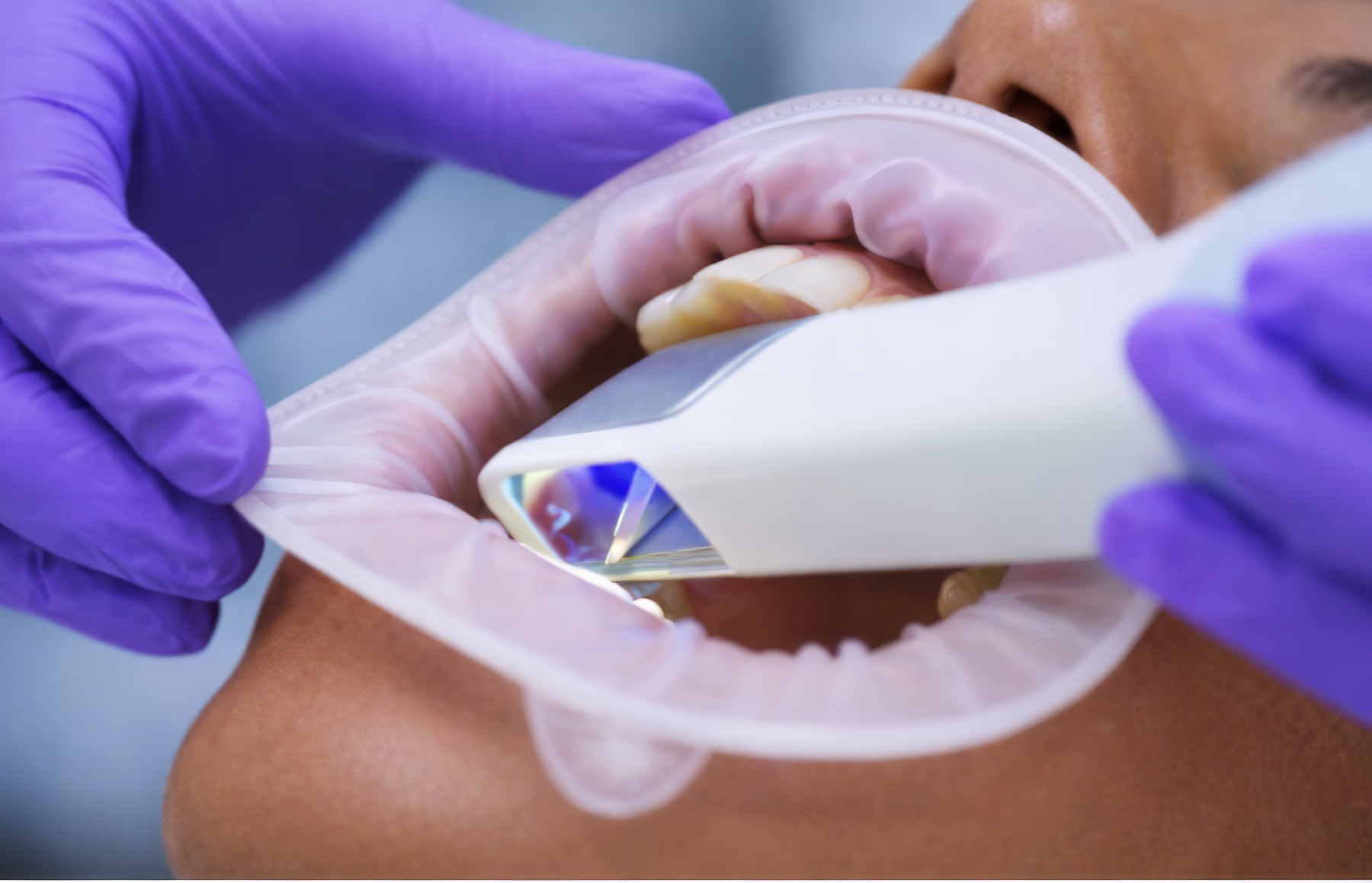
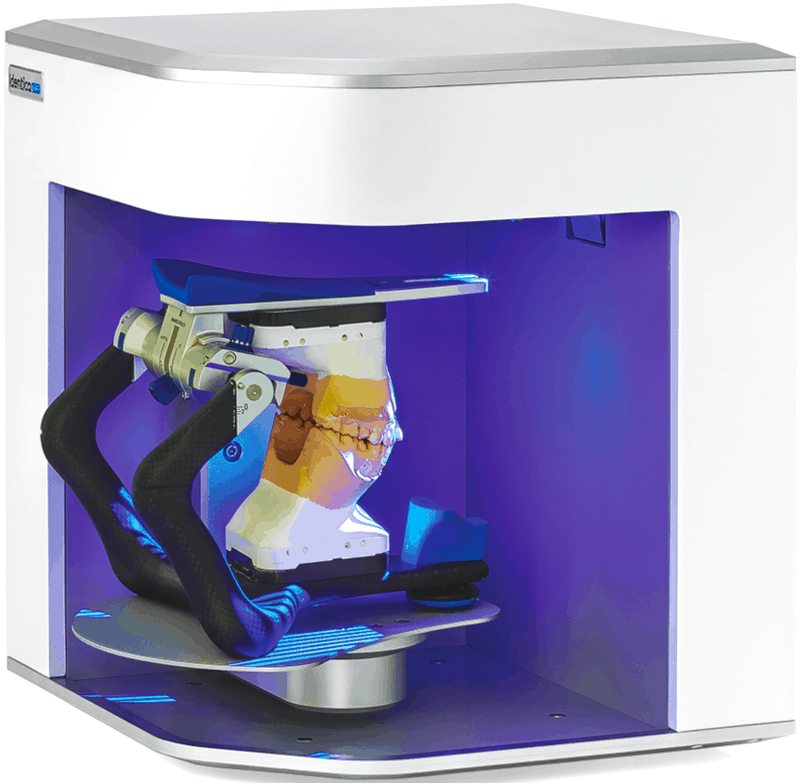
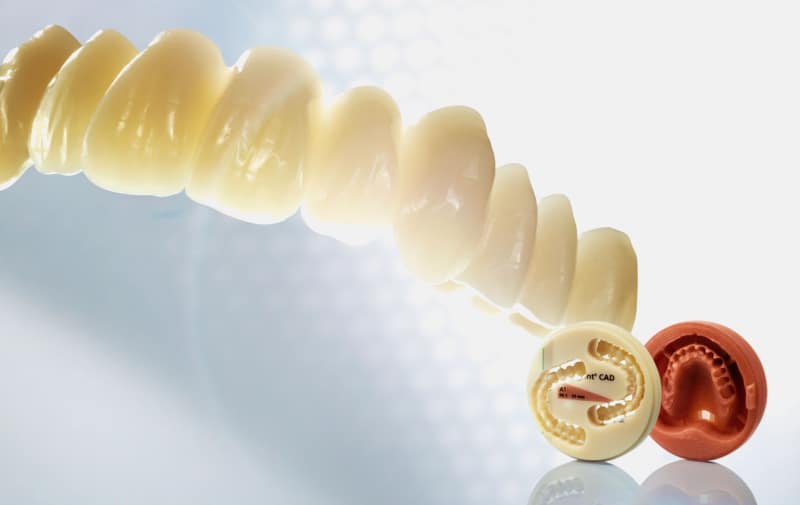
We can scan the impression, and the articulated duplicate denture, and poured models, and design the set-up via CAD systems like 3Shape, Blue Sky Plan, Exocad. When working in the digital environment we are then able to mill or print a one-piece monolithic set-up try-in.
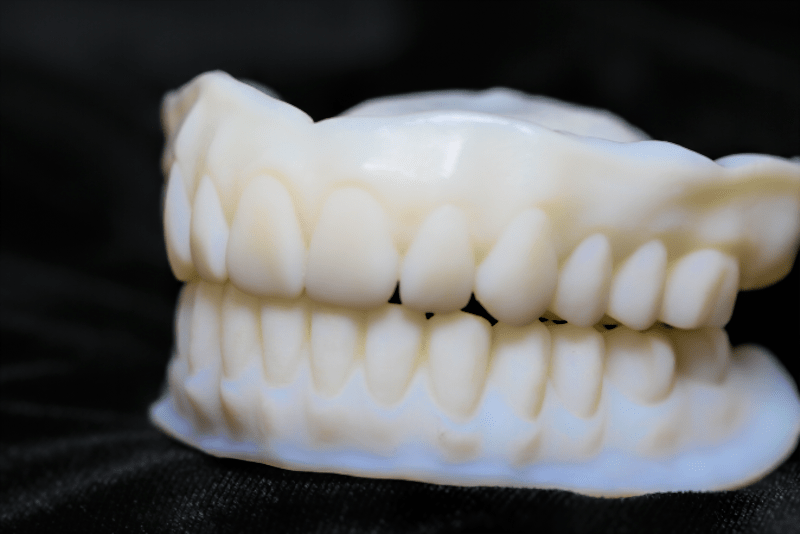
Monolithic Teeth Try-in
One very distinct benefit of milling the set-up try-in is that the fit will be virtually 100% the same as the final fit, and will be vastly superior to the fit of baseplates, or dentures processed by other methods. (More to come about milled denture in the near future.)
2nd Appointment
Try-in Teeth Set-up and Evaluate. Notate any changes and communicate directions for the lab to finish or provide a 2nd set-up try-in.
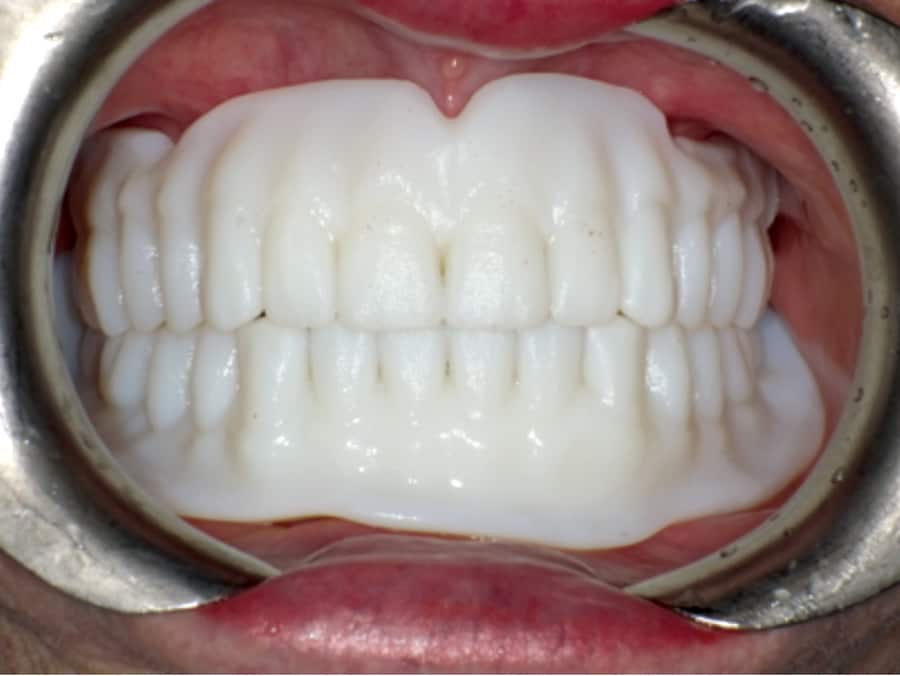
3rd Appointment
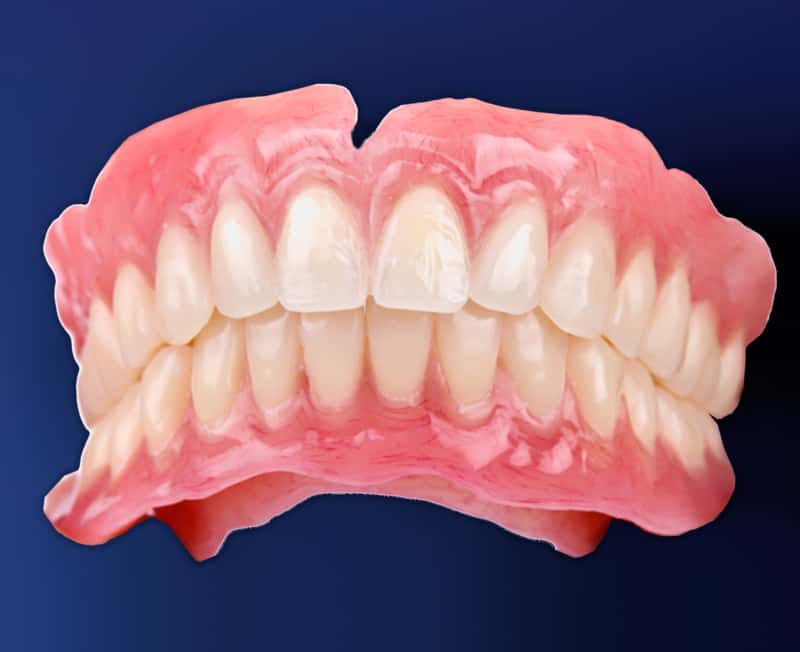
The final denture is delivered.
This workflow, regardless whether the workflow will become digital or conventional, is one of the surest ways to save more than one appointment of your valuable chair-time, and increase the quality of the final denture product.


 Previous Post: